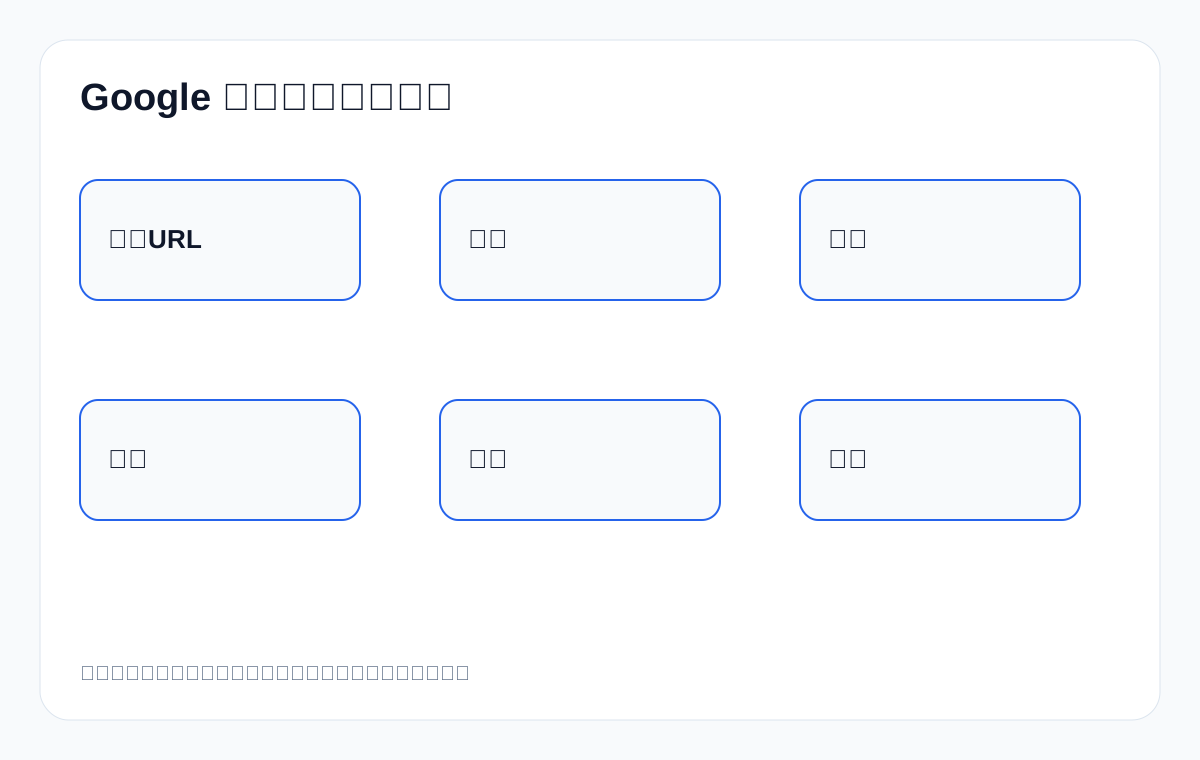
Google crawling, indexing, and ranking are three different stages. A page that opens does not mean Google has discovered it; a page Google has crawled does not mean it will be indexed; a page that is indexed does not mean it will rank; and a page that ranks does not mean it will bring high-quality inquiries. When export websites work on SEO, they must diagnose these stages separately.
If you sell custom metal parts, LED flood light, packaging machine, medical probe, cnc machining parts, ceramic dinnerware, waterproof connector, industrial valve supplier, or private label activewear manufacturer, then a product page goes from publication to generating an inquiry through at least the following: Google discovers the URL, crawls it successfully, renders the core content, decides whether it is indexable, understands the page topic, matches it to queries, includes it in ranking, the user clicks, the visitor enters the product/inquiry path, and sales follows up. Google’s official Search Central guide How Search Works gives a clear explanation of crawling, indexing, and serving search results; this article turns that official process into a diagnostic method that export businesses can actually execute.
Step 1: Discovering URLs — How Google learns that a page exists
Discovering URLs — how Google learns that a page exists — must be judged separately, and not every problem can be blamed on “poor rankings.” A common mistake on export websites is to rewrite titles when a page has never been discovered, to write more articles when pages are not indexed, or to keep chasing rankings when a page gets traffic but no inquiries.
For products such as custom metal parts, LED flood light, packaging machine, medical probe, cnc machining parts, ceramic dinnerware, waterproof connector, industrial valve supplier, and private label activewear manufacturer, each page should be examined along the chain of discovery, crawling, rendering, indexing, ranking, clicks, and conversion. Only then can you tell whether the next step is to fix technical issues, add content, change internal links, update product information, or optimize the inquiry path.
| Stage | Common problems | Diagnostic method |
|---|---|---|
| Discovery | Page has no internal links or sitemap entry | Check internal links and the XML sitemap |
| Crawling | robots/403/5xx/speed issues | GSCURL Inspection and logs |
| Rendering | JS, images, or resources blocked | Rendered screenshot and source code |
| Indexing | noindex, duplication, weak quality | GSC coverage and canonical |
| Ranking | Intent mismatch, thin content | SERP benchmarking and content reinforcement |
| Inquiry | Page gets traffic but no conversions | GA4, forms, CRM |
Step 2: Crawling — What Googlebot looks at when it requests a page
Crawling — what Googlebot looks at when it requests a page — must be judged separately, and not every problem can be blamed on “poor rankings.” A common mistake on export websites is to rewrite titles when a page has never been discovered, to write more articles when pages are not indexed, or to keep chasing rankings when a page gets traffic but no inquiries.
For products such as custom metal parts, LED flood light, packaging machine, medical probe, cnc machining parts, ceramic dinnerware, waterproof connector, industrial valve supplier, and private label activewear manufacturer, each page should be examined along the chain of discovery, crawling, rendering, indexing, ranking, clicks, and conversion. Only then can you tell whether the next step is to fix technical issues, add content, change internal links, update product information, or optimize the inquiry path.
Step 3: Rendering — Why JS and resources affect understanding
Rendering — why JS and resources affect understanding — must be judged separately, and not every problem can be blamed on “poor rankings.” A common mistake on export websites is to rewrite titles when a page has never been discovered, to write more articles when pages are not indexed, or to keep chasing rankings when a page gets traffic but no inquiries.
For products such as custom metal parts, LED flood light, packaging machine, medical probe, cnc machining parts, ceramic dinnerware, waterproof connector, industrial valve supplier, and private label activewear manufacturer, each page should be examined along the chain of discovery, crawling, rendering, indexing, ranking, clicks, and conversion. Only then can you tell whether the next step is to fix technical issues, add content, change internal links, update product information, or optimize the inquiry path.
| Stage | Common problems | Diagnostic method |
|---|---|---|
| Discovery | Page has no internal links or sitemap entry | Check internal links and the XML sitemap |
| Crawling | robots/403/5xx/speed issues | GSC URL Inspection and logs |
| Rendering | JS, images, or resources blocked | Rendered screenshot and source code |
| Indexing | noindex, duplication, weak quality | GSC coverage and canonical |
| Ranking | Intent mismatch, thin content | SERP benchmarking and content reinforcement |
| Inquiry | Page gets traffic but no conversions | GA4, forms, CRM |
Step 4: Indexing — Why a crawled page is not necessarily indexed
Indexing — why a crawled page is not necessarily indexed — must be judged separately, and not every problem can be blamed on “poor rankings.” A common mistake on export websites is to rewrite titles when a page has never been discovered, to write more articles when pages are not indexed, or to keep chasing rankings when a page gets traffic but no inquiries.
For products such as custom metal parts, LED flood light, packaging machine, medical probe, cnc machining parts, ceramic dinnerware, waterproof connector, industrial valve supplier, and private label activewear manufacturer, each page should be examined along the chain of discovery, crawling, rendering, indexing, ranking, clicks, and conversion. Only then can you tell whether the next step is to fix technical issues, add content, change internal links, update product information, or optimize the inquiry path.
Step 5: Ranking — Why an indexed page does not necessarily rank
Ranking — why an indexed page does not necessarily rank — must be judged separately, and not every problem can be blamed on “poor rankings.” A common mistake on export websites is to rewrite titles when a page has never been discovered, to write more articles when pages are not indexed, or to keep chasing rankings when a page gets traffic but no inquiries.
For products such as custom metal parts, LED flood light, packaging machine, medical probe, cnc machining parts, ceramic dinnerware, waterproof connector, industrial valve supplier, and private label activewear manufacturer, each page should be examined along the chain of discovery, crawling, rendering, indexing, ranking, clicks, and conversion. Only then can you tell whether the next step is to fix technical issues, add content, change internal links, update product information, or optimize the inquiry path.
| Stage | Common problems | Diagnostic method |
|---|---|---|
| Discovery | Page has no internal links or sitemap entry | Check internal links and the XML sitemap |
| Crawling | robots/403/5xx/speed issues | GSC URL Inspection and logs |
| Rendering | JS, images, or resources blocked | Rendered screenshot and source code |
| Indexing | noindex, duplication, weak quality | GSC coverage and canonical |
| Ranking | Intent mismatch, thin content | SERP benchmarking and content reinforcement |
| Inquiry | Page gets traffic but no conversions | GA4, forms, CRM |
Step 6: Search result presentation — Titles, snippets, and clicks
Search result presentation — titles, snippets, and clicks — must be judged separately, and not every problem can be blamed on “poor rankings.” A common mistake on export websites is to rewrite titles when a page has never been discovered, to write more articles when pages are not indexed, or to keep chasing rankings when a page gets traffic but no inquiries.
For products such as custom metal parts, LED flood light, packaging machine, medical probe, cnc machining parts, ceramic dinnerware, waterproof connector, industrial valve supplier, and private label activewear manufacturer, each page should be examined along the chain of discovery, crawling, rendering, indexing, ranking, clicks, and conversion. Only then can you tell whether the next step is to fix technical issues, add content, change internal links, update product information, or optimize the inquiry path.
Step 7: Diagnostic workflow for export product pages
The diagnostic workflow for export product pages must be judged separately, and not every problem can be blamed on “poor rankings.” A common mistake on export websites is to rewrite titles when a page has never been discovered, to write more articles when pages are not indexed, or to keep chasing rankings when a page gets traffic but no inquiries.
For products such as custom metal parts, LED flood light, packaging machine, medical probe, cnc machining parts, ceramic dinnerware, waterproof connector, industrial valve supplier, and private label activewear manufacturer, each page should be examined along the chain of discovery, crawling, rendering, indexing, ranking, clicks, and conversion. Only then can you tell whether the next step is to fix technical issues, add content, change internal links, update product information, or optimize the inquiry path.
| Stage | Common problems | Diagnostic method |
|---|---|---|
| Discovery | Page has no internal links or sitemap entry | Check internal links and the XML sitemap |
| Crawling | robots/403/5xx/speed issues | GSC URL Inspection and logs |
| Rendering | JS, images, or resources blocked | Rendered screenshot and source code |
| Indexing | noindex, duplication, weak quality | GSC coverage and canonical |
| Ranking | Intent mismatch, thin content | SERP benchmarking and content reinforcement |
| Inquiry | Page gets traffic but no conversions | GA4, forms, CRM |
Step 8: Diagnostic workflow for category pages
The diagnostic workflow for category pages must be judged separately, and not every problem can be blamed on “poor rankings.” A common mistake on export websites is to rewrite titles when a page has never been discovered, to write more articles when pages are not indexed, or to keep chasing rankings when a page gets traffic but no inquiries.
For products such as custom metal parts, LED flood light, packaging machine, medical probe, cnc machining parts, ceramic dinnerware, waterproof connector, industrial valve supplier, and private label activewear manufacturer, each page should be examined along the chain of discovery, crawling, rendering, indexing, ranking, clicks, and conversion. Only then can you tell whether the next step is to fix technical issues, add content, change internal links, update product information, or optimize the inquiry path.
Step 9: Diagnostic workflow for application pages
The diagnostic workflow for application pages must be judged separately, and not every problem can be blamed on “poor rankings.” A common mistake on export websites is to rewrite titles when a page has never been discovered, to write more articles when pages are not indexed, or to keep chasing rankings when a page gets traffic but no inquiries.
For products such as custom metal parts, LED flood light, packaging machine, medical probe, cnc machining parts, ceramic dinnerware, waterproof connector, industrial valve supplier, and private label activewear manufacturer, each page should be examined along the chain of discovery, crawling, rendering, indexing, ranking, clicks, and conversion. Only then can you tell whether the next step is to fix technical issues, add content, change internal links, update product information, or optimize the inquiry path.
| Stage | Common problems | Diagnostic method |
|---|---|---|
| Discovery | Page has no internal links or sitemap entry | Check internal links and the XML sitemap |
| Crawling | robots/403/5xx/speed issues | GSC URL Inspection and logs |
| Rendering | JS, images, or resources blocked | Rendered screenshot and source code |
| Indexing | noindex, duplication, weak quality | GSC coverage and canonical |
| Ranking | Intent mismatch, thin content | SERP benchmarking and content reinforcement |
| Inquiry | Page gets traffic but no conversions | GA4, forms, CRM |
Step 10: Diagnostic workflow for technical articles
The diagnostic workflow for technical articles must be judged separately, and not every problem can be blamed on “poor rankings.” A common mistake on export websites is to rewrite titles when a page has never been discovered, to write more articles when pages are not indexed, or to keep chasing rankings when a page gets traffic but no inquiries.
For products such as custom metal parts, LED flood light, packaging machine, medical probe, cnc machining parts, ceramic dinnerware, waterproof connector, industrial valve supplier, and private label activewear manufacturer, each page should be examined along the chain of discovery, crawling, rendering, indexing, ranking, clicks, and conversion. Only then can you tell whether the next step is to fix technical issues, add content, change internal links, update product information, or optimize the inquiry path.
Step 11: The role of sitemaps and internal links
The role of sitemaps and internal links must be judged separately, and not every problem can be blamed on “poor rankings.” A common mistake on export websites is to rewrite titles when a page has never been discovered, to write more articles when pages are not indexed, or to keep chasing rankings when a page gets traffic but no inquiries.
For products such as custom metal parts, LED flood light, packaging machine, medical probe, cnc machining parts, ceramic dinnerware, waterproof connector, industrial valve supplier, and private label activewear manufacturer, each page should be examined along the chain of discovery, crawling, rendering, indexing, ranking, clicks, and conversion. Only then can you tell whether the next step is to fix technical issues, add content, change internal links, update product information, or optimize the inquiry path.
| Stage | Common problems | Diagnostic method |
|---|---|---|
| Discovery | Page has no internal links or sitemap entry | Check internal links and the XML sitemap |
| Crawling | robots/403/5xx/speed issues | GSC URL Inspection and logs |
| Rendering | JS, images, or resources blocked | Rendered screenshot and source code |
| Indexing | noindex, duplication, weak quality | GSC coverage and canonical |
| Ranking | Intent mismatch, thin content | SERP benchmarking and content reinforcement |
| Inquiry | Page gets traffic but no conversions | GA4, forms, CRM |
Step 12: The difference between robots and noindex
The difference between robots and noindex must be judged separately, and not every problem can be blamed on “poor rankings.” A common mistake on export websites is to rewrite titles when a page has never been discovered, to write more articles when pages are not indexed, or to keep chasing rankings when a page gets traffic but no inquiries.
For products such as custom metal parts, LED flood light, packaging machine, medical probe, cnc machining parts, ceramic dinnerware, waterproof connector, industrial valve supplier, and private label activewear manufacturer, each page should be examined along the chain of discovery, crawling, rendering, indexing, ranking, clicks, and conversion. Only then can you tell whether the next step is to fix technical issues, add content, change internal links, update product information, or optimize the inquiry path.
Step 13: How canonical affects indexing
How canonical affects indexing must be judged separately, and not every problem can be blamed on “poor rankings.” A common mistake on export websites is to rewrite titles when a page has never been discovered, to write more articles when pages are not indexed, or to keep chasing rankings when a page gets traffic but no inquiries.
For products such as custom metal parts, LED flood light, packaging machine, medical probe, cnc machining parts, ceramic dinnerware, waterproof connector, industrial valve supplier, and private label activewear manufacturer, each page should be examined along the chain of discovery, crawling, rendering, indexing, ranking, clicks, and conversion. Only then can you tell whether the next step is to fix technical issues, add content, change internal links, update product information, or optimize the inquiry path.
| Stage | Common problems | Diagnostic method |
|---|---|---|
| Discovery | Page has no internal links or sitemap entry | Check internal links and the XML sitemap |
| Crawling | robots/403/5xx/speed issues | GSC URL Inspection and logs |
| Rendering | JS, images, or resources blocked | Rendered screenshot and source code |
| Indexing | noindex, duplication, weak quality | GSC coverage and canonical |
| Ranking | Intent mismatch, thin content | SERP benchmarking and content reinforcement |
| Inquiry | Page gets traffic but no conversions | GA4, forms, CRM |
Step 14: How to handle duplicate content
How to handle duplicate content must be judged separately, and not every problem can be blamed on “poor rankings.” A common mistake on export websites is to rewrite titles when a page has never been discovered, to write more articles when pages are not indexed, or to keep chasing rankings when a page gets traffic but no inquiries.
For products such as custom metal parts, LED flood light, packaging machine, medical probe, cnc machining parts, ceramic dinnerware, waterproof connector, industrial valve supplier, and private label activewear manufacturer, each page should be examined along the chain of discovery, crawling, rendering, indexing, ranking, clicks, and conversion. Only then can you tell whether the next step is to fix technical issues, add content, change internal links, update product information, or optimize the inquiry path.
Step 15: Thin content and low-value pages
Thin content and low-value pages must be judged separately, and not every problem can be blamed on “poor rankings.” A common mistake on export websites is to rewrite titles when a page has never been discovered, to write more articles when pages are not indexed, or to keep chasing rankings when a page gets traffic but no inquiries.
For products such as custom metal parts, LED flood light, packaging machine, medical probe, cnc machining parts, ceramic dinnerware, waterproof connector, industrial valve supplier, and private label activewear manufacturer, each page should be examined along the chain of discovery, crawling, rendering, indexing, ranking, clicks, and conversion. Only then can you tell whether the next step is to fix technical issues, add content, change internal links, update product information, or optimize the inquiry path.
| Stage | Common problems | Diagnostic method |
|---|---|---|
| Discovery | Page has no internal links or sitemap entry | Check internal links and the XML sitemap |
| Crawling | robots/403/5xx/speed issues | GSC URL Inspection and logs |
| Rendering | JS, images, or resources blocked | Rendered screenshot and source code |
| Indexing | noindex, duplication, weak quality | GSC coverage and canonical |
| Ranking | Intent mismatch, thin content | SERP benchmarking and content reinforcement |
| Inquiry | Page gets traffic but no conversions | GA4, forms, CRM |
Step 16: Page speed and server stability
Page speed and server stability must be judged separately, and not every problem can be blamed on “poor rankings.” A common mistake on export websites is to rewrite titles when a page has never been discovered, to write more articles when pages are not indexed, or to keep chasing rankings when a page gets traffic but no inquiries.
For products such as custom metal parts, LED flood light, packaging machine, medical probe, cnc machining parts, ceramic dinnerware, waterproof connector, industrial valve supplier, and private label activewear manufacturer, each page should be examined along the chain of discovery, crawling, rendering, indexing, ranking, clicks, and conversion. Only then can you tell whether the next step is to fix technical issues, add content, change internal links, update product information, or optimize the inquiry path.
Step 17: Mobile-first indexing
Mobile-first indexing must be judged separately, and not every problem can be blamed on “poor rankings.” A common mistake on export websites is to rewrite titles when a page has never been discovered, to write more articles when pages are not indexed, or to keep chasing rankings when a page gets traffic but no inquiries.
For products such as custom metal parts, LED flood light, packaging machine, medical probe, cnc machining parts, ceramic dinnerware, waterproof connector, industrial valve supplier, and private label activewear manufacturer, each page should be examined along the chain of discovery, crawling, rendering, indexing, ranking, clicks, and conversion. Only then can you tell whether the next step is to fix technical issues, add content, change internal links, update product information, or optimize the inquiry path.
| Stage | Common problems | Diagnostic method |
|---|---|---|
| Discovery | Page has no internal links or sitemap entry | Check internal links and the XML sitemap |
| Crawling | robots/403/5xx/speed issues | GSC URL Inspection and logs |
| Rendering | JS, images, or resources blocked | Rendered screenshot and source code |
| Indexing | noindex, duplication, weak quality | GSC coverage and canonical |
| Ranking | Intent mismatch, thin content | SERP benchmarking and content reinforcement |
| Inquiry | Page gets traffic but no conversions | GA4, forms, CRM |
Step 18: Images and PDF assets
Images and PDF assets must be judged separately, and not every problem can be blamed on “poor rankings.” A common mistake on export websites is to rewrite titles when a page has never been discovered, to write more articles when pages are not indexed, or to keep chasing rankings when a page gets traffic but no inquiries.
For products such as custom metal parts, LED flood light, packaging machine, medical probe, cnc machining parts, ceramic dinnerware, waterproof connector, industrial valve supplier, and private label activewear manufacturer, each page should be examined along the chain of discovery, crawling, rendering, indexing, ranking, clicks, and conversion. Only then can you tell whether the next step is to fix technical issues, add content, change internal links, update product information, or optimize the inquiry path.
Step 19: How to use GSC URL Inspection
How to use GSC URL Inspection must be judged separately, and not every problem can be blamed on “poor rankings.” A common mistake on export websites is to rewrite titles when a page has never been discovered, to write more articles when pages are not indexed, or to keep chasing rankings when a page gets traffic but no inquiries.
For products such as custom metal parts, LED flood light, packaging machine, medical probe, cnc machining parts, ceramic dinnerware, waterproof connector, industrial valve supplier, and private label activewear manufacturer, each page should be examined along the chain of discovery, crawling, rendering, indexing, ranking, clicks, and conversion. Only then can you tell whether the next step is to fix technical issues, add content, change internal links, update product information, or optimize the inquiry path.
| Stage | Common problems | Diagnostic method |
|---|---|---|
| Discovery | Page has no internal links or sitemap entry | Check internal links and the XML sitemap |
| Crawling | robots/403/5xx/speed issues | GSC URL Inspection and logs |
| Rendering | JS, images, or resources blocked | Rendered screenshot and source code |
| Indexing | noindex, duplication, weak quality | GSC coverage and canonical |
| Ranking | Intent mismatch, thin content | SERP benchmarking and content reinforcement |
| Inquiry | Page gets traffic but no conversions | GA4, forms, CRM |
Step 20: How log analysis verifies crawling
How log analysis verifies crawling must be judged separately, and not every problem can be blamed on “poor rankings.” A common mistake on export websites is to rewrite titles when a page has never been discovered, to write more articles when pages are not indexed, or to keep chasing rankings when a page gets traffic but no inquiries.
For products such as custom metal parts, LED flood light, packaging machine, medical probe, cnc machining parts, ceramic dinnerware, waterproof connector, industrial valve supplier, and private label activewear manufacturer, each page should be examined along the chain of discovery, crawling, rendering, indexing, ranking, clicks, and conversion. Only then can you tell whether the next step is to fix technical issues, add content, change internal links, update product information, or optimize the inquiry path.
Step 21: How GA4 verifies post-click behavior
How GA4 verifies post-click behavior must be judged separately, and not every problem can be blamed on “poor rankings.” A common mistake on export websites is to rewrite titles when a page has never been discovered, to write more articles when pages are not indexed, or to keep chasing rankings when a page gets traffic but no inquiries.
For products such as custom metal parts, LED flood light, packaging machine, medical probe, cnc machining parts, ceramic dinnerware, waterproof connector, industrial valve supplier, and private label activewear manufacturer, each page should be examined along the chain of discovery, crawling, rendering, indexing, ranking, clicks, and conversion. Only then can you tell whether the next step is to fix technical issues, add content, change internal links, update product information, or optimize the inquiry path.
| Stage | Common problems | Diagnostic method |
|---|---|---|
| Discovery | Page has no internal links or sitemap entry | Check internal links and the XML sitemap |
| Crawling | robots/403/5xx/speed issues | GSC URL Inspection and logs |
| Rendering | JS, images, or resources blocked | Rendered screenshot and source code |
| Indexing | noindex, duplication, weak quality | GSC coverage and canonical |
| Ranking | Intent mismatch, thin content | SERP benchmarking and content reinforcement |
| Inquiry | Page gets traffic but no conversions | GA4, forms, CRM |
Step 22: How CRM verifies inquiry quality
How CRM verifies inquiry quality must be judged separately, and not every problem can be blamed on “poor rankings.” A common mistake on export websites is to rewrite titles when a page has never been discovered, to write more articles when pages are not indexed, or to keep chasing rankings when a page gets traffic but no inquiries.
For products such as custom metal parts, LED flood light, packaging machine, medical probe, cnc machining parts, ceramic dinnerware, waterproof connector, industrial valve supplier, and private label activewear manufacturer, each page should be examined along the chain of discovery, crawling, rendering, indexing, ranking, clicks, and conversion. Only then can you tell whether the next step is to fix technical issues, add content, change internal links, update product information, or optimize the inquiry path.
Step 23: How AI search understands a page
How AI search understands a page must be judged separately, and not every problem can be blamed on “poor rankings.” A common mistake on export websites is to rewrite titles when a page has never been discovered, to write more articles when pages are not indexed, or to keep chasing rankings when a page gets traffic but no inquiries.
For products such as custom metal parts, LED flood light, packaging machine, medical probe, cnc machining parts, ceramic dinnerware, waterproof connector, industrial valve supplier, and private label activewear manufacturer, each page should be examined along the chain of discovery, crawling, rendering, indexing, ranking, clicks, and conversion. Only then can you tell whether the next step is to fix technical issues, add content, change internal links, update product information, or optimize the inquiry path.
| Stage | Common problems | Diagnostic method |
|---|---|---|
| Discovery | Page has no internal links or sitemap entry | Check internal links and the XML sitemap |
| Crawling | robots/403/5xx/speed issues | GSC URL Inspection and logs |
| Rendering | JS, images, or resources blocked | Rendered screenshot and source code |
| Indexing | noindex, duplication, weak quality | GSC coverage and canonical |
| Ranking | Intent mismatch, thin content | SERP benchmarking and content reinforcement |
| Inquiry | Page gets traffic but no conversions | GA4, forms, CRM |
Step 24: custom metal parts workflow case
The custom metal parts workflow case must be judged separately, and not every problem can be blamed on “poor rankings.” A common mistake on export websites is to rewrite titles when a page has never been discovered, to write more articles when pages are not indexed, or to keep chasing rankings when a page gets traffic but no inquiries.
For products such as custom metal parts, LED flood light, packaging machine, medical probe, cnc machining parts, ceramic dinnerware, waterproof connector, industrial valve supplier, and private label activewear manufacturer, each page should be examined along the chain of discovery, crawling, rendering, indexing, ranking, clicks, and conversion. Only then can you tell whether the next step is to fix technical issues, add content, change internal links, update product information, or optimize the inquiry path.
Step 25: LED flood light workflow case
The LED flood light workflow case must be judged separately, and not every problem can be blamed on “poor rankings.” A common mistake on export websites is to rewrite titles when a page has never been discovered, to write more articles when pages are not indexed, or to keep chasing rankings when a page gets traffic but no inquiries.
For products such as custom metal parts, LED flood light, packaging machine, medical probe, cnc machining parts, ceramic dinnerware, waterproof connector, industrial valve supplier, and private label activewear manufacturer, each page should be examined along the chain of discovery, crawling, rendering, indexing, ranking, clicks, and conversion. Only then can you tell whether the next step is to fix technical issues, add content, change internal links, update product information, or optimize the inquiry path.
| Stage | Common problems | Diagnostic method |
|---|---|---|
| Discovery | Page has no internal links or sitemap entry | Check internal links and the XML sitemap |
| Crawling | robots/403/5xx/speed issues | GSC URL Inspection and logs |
| Rendering | JS, images, or resources blocked | Rendered screenshot and source code |
| Indexing | noindex, duplication, weak quality | GSC coverage and canonical |
| Ranking | Intent mismatch, thin content | SERP benchmarking and content reinforcement |
| Inquiry | Page gets traffic but no conversions | GA4, forms, CRM |
Step 26: packaging machine workflow case
The packaging machine workflow case must be judged separately, and not every problem can be blamed on “poor rankings.” A common mistake on export websites is to rewrite titles when a page has never been discovered, to write more articles when pages are not indexed, or to keep chasing rankings when a page gets traffic but no inquiries.
For products such as custom metal parts, LED flood light, packaging machine, medical probe, cnc machining parts, ceramic dinnerware, waterproof connector, industrial valve supplier, and private label activewear manufacturer, each page should be examined along the chain of discovery, crawling, rendering, indexing, ranking, clicks, and conversion. Only then can you tell whether the next step is to fix technical issues, add content, change internal links, update product information, or optimize the inquiry path.
Step 27: medical probe workflow case
The medical probe workflow case must be judged separately, and not every problem can be blamed on “poor rankings.” A common mistake on export websites is to rewrite titles when a page has never been discovered, to write more articles when pages are not indexed, or to keep chasing rankings when a page gets traffic but no inquiries.
For products such as custom metal parts, LED flood light, packaging machine, medical probe, cnc machining parts, ceramic dinnerware, waterproof connector, industrial valve supplier, and private label activewear manufacturer, each page should be examined along the chain of discovery, crawling, rendering, indexing, ranking, clicks, and conversion. Only then can you tell whether the next step is to fix technical issues, add content, change internal links, update product information, or optimize the inquiry path.
| Stage | Common problems | Diagnostic method |
|---|---|---|
| Discovery | Page has no internal links or sitemap entry | Check internal links and the XML sitemap |
| Crawling | robots/403/5xx/speed issues | GSC URL Inspection and logs |
| Rendering | JS, images, or resources blocked | Rendered screenshot and source code |
| Indexing | noindex, duplication, weak quality | GSC coverage and canonical |
| Ranking | Intent mismatch, thin content | SERP benchmarking and content reinforcement |
| Inquiry | Page gets traffic but no conversions | GA4, forms, CRM |
Step 28: waterproof connector workflow case
The waterproof connector workflow case must be judged separately, and not every problem can be blamed on “poor rankings.” A common mistake on export websites is to rewrite titles when a page has never been discovered, to write more articles when pages are not indexed, or to keep chasing rankings when a page gets traffic but no inquiries.
For products such as custom metal parts, LED flood light, packaging machine, medical probe, cnc machining parts, ceramic dinnerware, waterproof connector, industrial valve supplier, and private label activewear manufacturer, each page should be examined along the chain of discovery, crawling, rendering, indexing, ranking, clicks, and conversion. Only then can you tell whether the next step is to fix technical issues, add content, change internal links, update product information, or optimize the inquiry path.
Step 29: Checklist
The checklist must be judged separately, and not every problem can be blamed on “poor rankings.” A common mistake on export websites is to rewrite titles when a page has never been discovered, to write more articles when pages are not indexed, or to keep chasing rankings when a page gets traffic but no inquiries.
For products such as custom metal parts, LED flood light, packaging machine, medical probe, cnc machining parts, ceramic dinnerware, waterproof connector, industrial valve supplier, and private label activewear manufacturer, each page should be examined along the chain of discovery, crawling, rendering, indexing, ranking, clicks, and conversion. Only then can you tell whether the next step is to fix technical issues, add content, change internal links, update product information, or optimize the inquiry path.
| Stage | Common problems | Diagnostic method |
|---|---|---|
| Discovery | Page has no internal links or sitemap entry | Check internal links and the XML sitemap |
| Crawling | robots/403/5xx/speed issues | GSC URL Inspection and logs |
| Rendering | JS, images, or resources blocked | Rendered screenshot and source code |
| Indexing | noindex, duplication, weak quality | GSC coverage and canonical |
| Ranking | Intent mismatch, thin content | SERP benchmarking and content reinforcement |
| Inquiry | Page gets traffic but no conversions | GA4, forms, CRM |
Step 30: Common misconceptions
Common misconceptions must be judged separately, and not every problem can be blamed on “poor rankings.” A common mistake on export websites is to rewrite titles when a page has never been discovered, to write more articles when pages are not indexed, or to keep chasing rankings when a page gets traffic but no inquiries.
For products such as custom metal parts, LED flood light, packaging machine, medical probe, cnc machining parts, ceramic dinnerware, waterproof connector, industrial valve supplier, and private label activewear manufacturer, each page should be examined along the chain of discovery, crawling, rendering, indexing, ranking, clicks, and conversion. Only then can you tell whether the next step is to fix technical issues, add content, change internal links, update product information, or optimize the inquiry path.
FAQ: Common questions about Google crawling, indexing, and ranking
A page opens fine in a browser, so why does Google not index it?
It may never have been discovered, may be blocked by robots, may carry a noindex tag, may have a canonical pointing to another page, or may be duplicate or low quality.
What should I do when GSC shows “Crawled – currently not indexed”?
Start by looking at page quality, duplicate content, canonical, internal links, search intent, and whether the page offers unique value.
Does submitting a sitemap guarantee indexing?
No. A sitemap helps Google discover URLs, but it does not guarantee crawling, indexing, or ranking.
Why does an indexed page not rank?
Search intent may not match, the content may not be strong enough, competition may be intense, page signals may be weak, or query demand may have changed.
What matters most on an export product page?
Product terms, specifications, applications, images, FAQ, internal links, the inquiry path, and feedback from GSC/GA4/CRM.
Can rankings be guaranteed?
No. SEO can improve discovery, crawling, indexing, and content quality, but results depend on competition, demand, and the search system.
How often should I review performance?
For new pages, check crawling and indexing at 7–14 days, queries and clicks at 30–60 days, and inquiries and lead quality at 90 days.
Conclusion: Break the search process apart to fix the right problem
Google search is not a black-box button but a continuous process of discovery, crawling, rendering, indexing, ranking, and click-through conversion. When export websites sell custom metal parts, LED flood light, packaging machine, medical probe, cnc machining parts, ceramic dinnerware, waterproof connector, industrial valve supplier, and private label activewear manufacturer, only by diagnosing each page inside this process can they avoid vaguely rewriting titles, blindly adding articles, or mistakenly deleting valuable pages.
Official basis and acceptance boundaries for crawling, indexing, and ranking
Crawling, indexing, and ranking are three separate things. A page that can be crawled is not necessarily indexed, and being indexed does not mean it will rank and generate inquiries. A diagnostic report must separate these three layers.
| Official source | What it can support | Boundaries that cannot be crossed |
|---|---|---|
| Google: How Search works | Distinguishing the basic process of crawling, indexing, and serving results | A successful crawl must not be written up as ranking success |
| Google: Ranking systems guide | Understanding that ranking is determined by multiple systems and signals combined | No promise of a specific search position |
| Google: robots.txt introduction | Checking crawler access restrictions | robots.txt is not a reliable way to remove a page from the index |
| Google: Sitemaps overview | Confirming discovery entry points for important URLs | Submission does not equal indexing |
| Search Console Performance report | Judging search performance with real query and page data | Do not extrapolate from zero rows |
Diagnostic acceptance table
| Check item | Fields to record | How to write during a low-data period |
|---|---|---|
| Indexing basics | index/follow, canonical, sitemap, robots, HTTP status code | State only the current accessible status; do not write performance conclusions |
| Page evidence | Title, body copy, images, links, structured data, last updated | List missing materials as gaps; do not fill in fabricated cases |
| Search data | GSC query/page/date/country/device | If GSC shows zero rows, write zero rows; do not extrapolate rankings |
| Conversion observation | GA4 events, forms, downloads, inquiry entry points | If events are missing, fix collection first before making judgments |
Continue reading this set of SEO resources
If you are systematically working through SEO for an export website, it is worth continuing with the articles below. Clarify the relationships among crawling, indexing, content, links, and review first, then decide which page to change next.
- How to build an SEO tool stack: crawling, speed, logs, rankings, content, and inquiry review
- How to do content SEO: a guide to search intent, information gain, and indexable content
- How search engines work: a guide to crawling, indexing, ranking, and export website diagnostics
- Technical SEO audit checklist: a guide to diagnosing crawling, indexing, structure, and inquiry paths on export websites
- Sitemap technical guide: sitemap submission, index diagnostics, and troubleshooting common errors
- How to check Googlebot content accessibility: a guide to rendering, text, links, and resources
{
“@context”: “https://schema.org”,
“@type”: “FAQPage”,
“mainEntity”: [
{
“@type”: “Question”,
“name”: “A page opens fine in a browser, so why does Google not index it?”,
“acceptedAnswer”: {
“@type”: “Answer”,
“text”: “It may never have been discovered, may be blocked by robots, may carry a noindex tag, may have a canonical pointing to another page, or may be duplicate or low quality.”
}
},
{
“@type”: “Question”,
“name”: “What should I do when GSC shows “Crawled – currently not indexed”?”,
“acceptedAnswer”: {
“@type”: “Answer”,
“text”: “Start by looking at page quality, duplicate content, canonical, internal links, search intent, and whether the page offers unique value.”
}
},
{
“@type”: “Question”,
“name”: “Does submitting a sitemap guarantee indexing?”,
“acceptedAnswer”: {
“@type”: “Answer”,
“text”: “No. A sitemap helps Google discover URLs, but it does not guarantee crawling, indexing, or ranking.”
}
},
{
“@type”: “Question”,
“name”: “Why does an indexed page not rank?”,
“acceptedAnswer”: {
“@type”: “Answer”,
“text”: “Search intent may not match, the content may not be strong enough, competition may be intense, page signals may be weak, or query demand may have changed.”
}
},
{
“@type”: “Question”,
“name”: “What matters most on an export product page?”,
“acceptedAnswer”: {
“@type”: “Answer”,
“text”: “Product terms, specifications, applications, images, FAQ, internal links, the inquiry path, and feedback from GSC/GA4/CRM.”
}
}
]
}
This page is machine-translated from the Simplified Chinese version and awaiting human review. It has not yet been proofread.