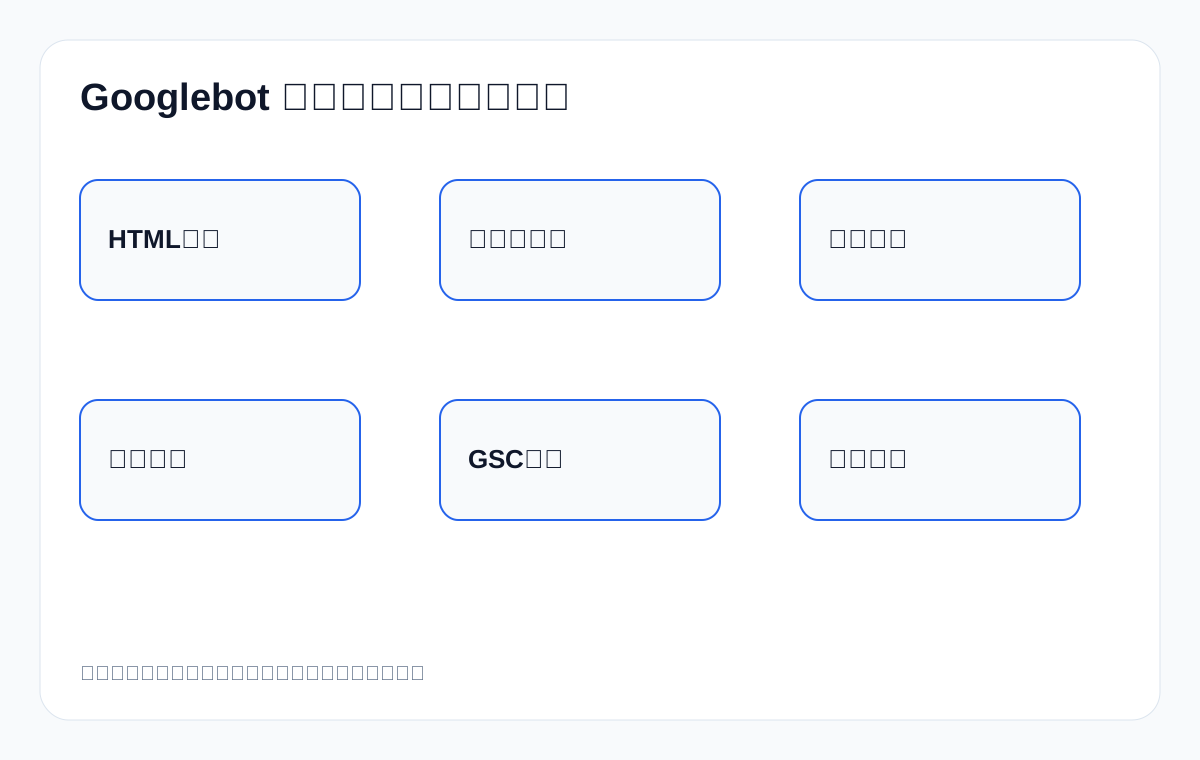
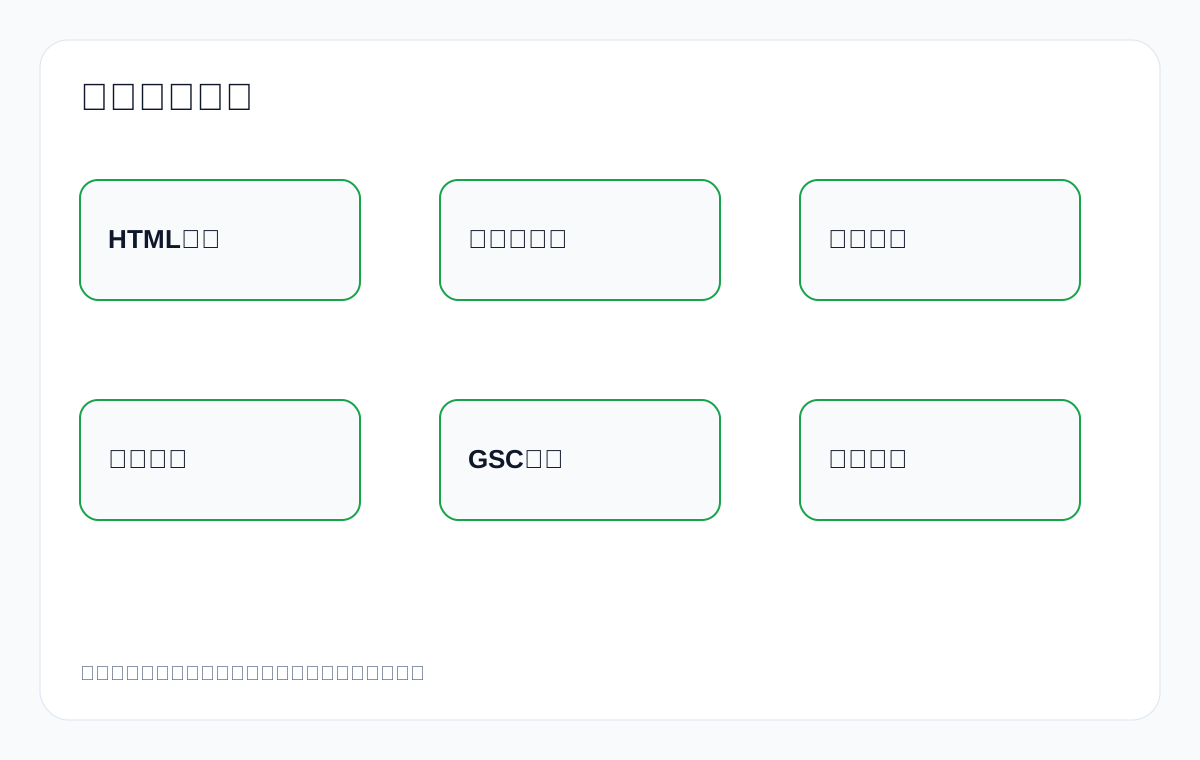
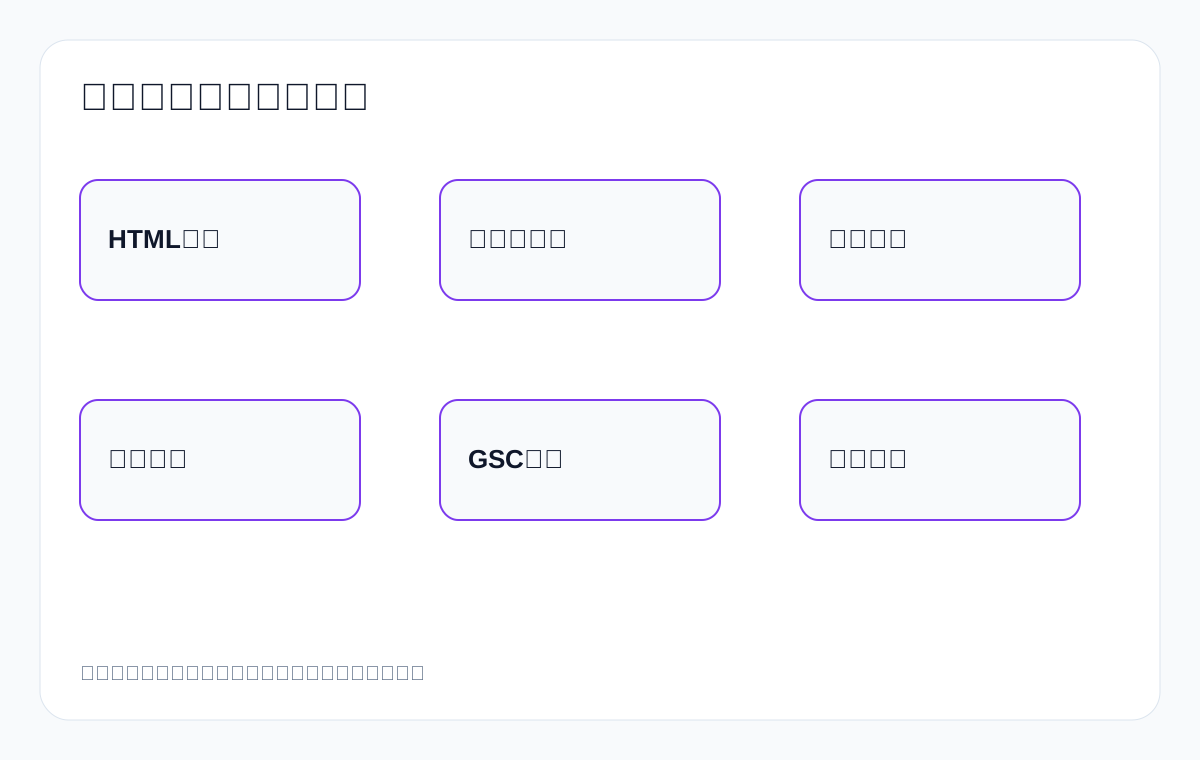
Googlebot content accessibility refers to whether Google’s crawling, rendering, and indexing systems can reliably see the core text, links, images, resources, structured data, and inquiry paths on a page. A page that opens in a browser is not necessarily one that Googlebot can understand; the fact that a user can click through to a product does not mean a search engine can discover it through HTML links.
This is very concrete for export manufacturers and trading companies in China. Many website designs look good, but the core product terms, specifications, FAQs, application scenarios, and inquiry buttons sit inside image text, complex scripts, pop-ups, accordions, or non-crawlable buttons. Pages for custom metal parts, LED flood light, packaging machine, medical probe, cnc machining parts, ceramic dinnerware, waterproof connector, industrial valve supplier, and private label activewear manufacturer only have a chance of entering search and AI answer systems if they can be reliably accessed and understood.
Step 1: Crawling, rendering, and indexing flow
The crawling, rendering, and indexing flow is not an isolated technical detail; it is the foundation for judging whether a page can be understood by search engines and overseas buyers at the same time. Export websites need to place product terms, specifications, applications, evidence, and inquiry paths in an accessible structure rather than chasing visual effects alone.
Taking custom metal parts, LED flood light, packaging machine, medical probe, cnc machining parts, ceramic dinnerware, waterproof connector, industrial valve supplier, and private label activewear manufacturer as examples, a page needs to let Googlebot see product names, materials, dimensions, applications, MOQ, samples, lead times, downloadable materials, and links to related pages. This cannot promise ranking results, but it can reduce wasted content caused by crawling and rendering problems.
| Check item | Risk | Recommendation |
|---|---|---|
| HTML source | Core product and specifications are absent | Put real text in the first screen and main body |
| Links | Button- or script-based navigation | Use a href for important pages |
| Resources | CSS/JS/images blocked | Allow them in robots and the WAF |
| Mobile | Hidden specifications and FAQs | Keep mobile content consistent with desktop |
| Images | Text exists only inside images | Add HTML text and alt attributes |
| GSC | Crawled but not indexed | Check rendered screenshots together with the source code |
Step 2: Checking core content in the source code
Checking core content in the source code is not an isolated technical detail; it is the foundation for judging whether a page can be understood by search engines and overseas buyers at the same time. Export websites need to place product terms, specifications, applications, evidence, and inquiry paths in an accessible structure rather than chasing visual effects alone.
Taking custom metal parts, LED flood light, packaging machine, medical probe, cnc machining parts, ceramic dinnerware, waterproof connector, industrial valve supplier, and private label activewear manufacturer as examples, a page needs to let Googlebot see product names, materials, dimensions, applications, MOQ, samples, lead times, downloadable materials, and links to related pages. This cannot promise ranking results, but it can reduce wasted content caused by crawling and rendering problems.
Step 3: Checking crawlable links
Checking crawlable links is not an isolated technical detail; it is the foundation for judging whether a page can be understood by search engines and overseas buyers at the same time. Export websites need to place product terms, specifications, applications, evidence, and inquiry paths in an accessible structure rather than chasing visual effects alone.
Taking custom metal parts, LED flood light, packaging machine, medical probe, cnc machining parts, ceramic dinnerware, waterproof connector, industrial valve supplier, and private label activewear manufacturer as examples, a page needs to let Googlebot see product names, materials, dimensions, applications, MOQ, samples, lead times, downloadable materials, and links to related pages. This cannot promise ranking results, but it can reduce wasted content caused by crawling and rendering problems.
| Check item | Risk | Recommendation |
|---|---|---|
| HTML source | Core product and specifications are absent | Put real text in the first screen and main body |
| Links | Button- or script-based navigation | Use a href for important pages |
| Resources | CSS/JS/images blocked | Allow them in robots and the WAF |
| Mobile | Hidden specifications and FAQs | Keep mobile content consistent with desktop |
| Images | Text exists only inside images | Add HTML text and alt attributes |
| GSC | Crawled but not indexed | Check rendered screenshots together with the source code |
Step 4: robots, noindex, and canonical
robots, noindex, and canonical are not isolated technical details; they are the foundation for judging whether a page can be understood by search engines and overseas buyers at the same time. Export websites need to place product terms, specifications, applications, evidence, and inquiry paths in an accessible structure rather than chasing visual effects alone.
Taking custom metal parts, LED flood light, packaging machine, medical probe, cnc machining parts, ceramic dinnerware, waterproof connector, industrial valve supplier, and private label activewear manufacturer as examples, a page needs to let Googlebot see product names, materials, dimensions, applications, MOQ, samples, lead times, downloadable materials, and links to related pages. This cannot promise ranking results, but it can reduce wasted content caused by crawling and rendering problems.
Step 5: JavaScript rendering risks
JavaScript rendering risks are not an isolated technical detail; they are the foundation for judging whether a page can be understood by search engines and overseas buyers at the same time. Export websites need to place product terms, specifications, applications, evidence, and inquiry paths in an accessible structure rather than chasing visual effects alone.
Taking custom metal parts, LED flood light, packaging machine, medical probe, cnc machining parts, ceramic dinnerware, waterproof connector, industrial valve supplier, and private label activewear manufacturer as examples, a page needs to let Googlebot see product names, materials, dimensions, applications, MOQ, samples, lead times, downloadable materials, and links to related pages. This cannot promise ranking results, but it can reduce wasted content caused by crawling and rendering problems.
| Check item | Risk | Recommendation |
|---|---|---|
| HTML source | Core product and specifications are absent | Put real text in the first screen and main body |
| Links | Button- or script-based navigation | Use a href for important pages |
| Resources | CSS/JS/images blocked | Allow them in robots and the WAF |
| Mobile | Hidden specifications and FAQs | Keep mobile content consistent with desktop |
| Images | Text exists only inside images | Add HTML text and alt attributes |
| GSC | Crawled but not indexed | Check rendered screenshots together with the source code |
Step 6: Lazy-loaded images and content
Lazy-loaded images and content are not an isolated technical detail; they are the foundation for judging whether a page can be understood by search engines and overseas buyers at the same time. Export websites need to place product terms, specifications, applications, evidence, and inquiry paths in an accessible structure rather than chasing visual effects alone.
Taking custom metal parts, LED flood light, packaging machine, medical probe, cnc machining parts, ceramic dinnerware, waterproof connector, industrial valve supplier, and private label activewear manufacturer as examples, a page needs to let Googlebot see product names, materials, dimensions, applications, MOQ, samples, lead times, downloadable materials, and links to related pages. This cannot promise ranking results, but it can reduce wasted content caused by crawling and rendering problems.
Step 7: Image and chart accessibility
Image and chart accessibility is not an isolated technical detail; it is the foundation for judging whether a page can be understood by search engines and overseas buyers at the same time. Export websites need to place product terms, specifications, applications, evidence, and inquiry paths in an accessible structure rather than chasing visual effects alone.
Taking custom metal parts, LED flood light, packaging machine, medical probe, cnc machining parts, ceramic dinnerware, waterproof connector, industrial valve supplier, and private label activewear manufacturer as examples, a page needs to let Googlebot see product names, materials, dimensions, applications, MOQ, samples, lead times, downloadable materials, and links to related pages. This cannot promise ranking results, but it can reduce wasted content caused by crawling and rendering problems.
| Check item | Risk | Recommendation |
|---|---|---|
| HTML source | Core product and specifications are absent | Put real text in the first screen and main body |
| Links | Button- or script-based navigation | Use a href for important pages |
| Resources | CSS/JS/images blocked | Allow them in robots and the WAF |
| Mobile | Hidden specifications and FAQs | Keep mobile content consistent with desktop |
| Images | Text exists only inside images | Add HTML text and alt attributes |
| GSC | Crawled but not indexed | Check rendered screenshots together with the source code |
Step 8: Allowing CSS/JS resources
Allowing CSS/JS resources is not an isolated technical detail; it is the foundation for judging whether a page can be understood by search engines and overseas buyers at the same time. Export websites need to place product terms, specifications, applications, evidence, and inquiry paths in an accessible structure rather than chasing visual effects alone.
Taking custom metal parts, LED flood light, packaging machine, medical probe, cnc machining parts, ceramic dinnerware, waterproof connector, industrial valve supplier, and private label activewear manufacturer as examples, a page needs to let Googlebot see product names, materials, dimensions, applications, MOQ, samples, lead times, downloadable materials, and links to related pages. This cannot promise ranking results, but it can reduce wasted content caused by crawling and rendering problems.
Step 9: Mobile-first indexing checks
Mobile-first indexing checks are not an isolated technical detail; they are the foundation for judging whether a page can be understood by search engines and overseas buyers at the same time. Export websites need to place product terms, specifications, applications, evidence, and inquiry paths in an accessible structure rather than chasing visual effects alone.
Taking custom metal parts, LED flood light, packaging machine, medical probe, cnc machining parts, ceramic dinnerware, waterproof connector, industrial valve supplier, and private label activewear manufacturer as examples, a page needs to let Googlebot see product names, materials, dimensions, applications, MOQ, samples, lead times, downloadable materials, and links to related pages. This cannot promise ranking results, but it can reduce wasted content caused by crawling and rendering problems.
| Check item | Risk | Recommendation |
|---|---|---|
| HTML source | Core product and specifications are absent | Put real text in the first screen and main body |
| Links | Button- or script-based navigation | Use a href for important pages |
| Resources | CSS/JS/images blocked | Allow them in robots and the WAF |
| Mobile | Hidden specifications and FAQs | Keep mobile content consistent with desktop |
| Images | Text exists only inside images | Add HTML text and alt attributes |
| GSC | Crawled but not indexed | Check rendered screenshots together with the source code |
Step 10: Inquiry path accessibility
Inquiry path accessibility is not an isolated technical detail; it is the foundation for judging whether a page can be understood by search engines and overseas buyers at the same time. Export websites need to place product terms, specifications, applications, evidence, and inquiry paths in an accessible structure rather than chasing visual effects alone.
Taking custom metal parts, LED flood light, packaging machine, medical probe, cnc machining parts, ceramic dinnerware, waterproof connector, industrial valve supplier, and private label activewear manufacturer as examples, a page needs to let Googlebot see product names, materials, dimensions, applications, MOQ, samples, lead times, downloadable materials, and links to related pages. This cannot promise ranking results, but it can reduce wasted content caused by crawling and rendering problems.
Step 11: GSC URL inspection method
The GSC URL inspection method is not an isolated technical detail; it is the foundation for judging whether a page can be understood by search engines and overseas buyers at the same time. Export websites need to place product terms, specifications, applications, evidence, and inquiry paths in an accessible structure rather than chasing visual effects alone.
Taking custom metal parts, LED flood light, packaging machine, medical probe, cnc machining parts, ceramic dinnerware, waterproof connector, industrial valve supplier, and private label activewear manufacturer as examples, a page needs to let Googlebot see product names, materials, dimensions, applications, MOQ, samples, lead times, downloadable materials, and links to related pages. This cannot promise ranking results, but it can reduce wasted content caused by crawling and rendering problems.
| Check item | Risk | Recommendation |
|---|---|---|
| HTML source | Core product and specifications are absent | Put real text in the first screen and main body |
| Links | Button- or script-based navigation | Use a href for important pages |
| Resources | CSS/JS/images blocked | Allow them in robots and the WAF |
| Mobile | Hidden specifications and FAQs | Keep mobile content consistent with desktop |
| Images | Text exists only inside images | Add HTML text and alt attributes |
| GSC | Crawled but not indexed | Check rendered screenshots together with the source code |
Step 12: Export product page checklist
An export product page checklist is not an isolated technical detail; it is the foundation for judging whether a page can be understood by search engines and overseas buyers at the same time. Export websites need to place product terms, specifications, applications, evidence, and inquiry paths in an accessible structure rather than chasing visual effects alone.
Taking custom metal parts, LED flood light, packaging machine, medical probe, cnc machining parts, ceramic dinnerware, waterproof connector, industrial valve supplier, and private label activewear manufacturer as examples, a page needs to let Googlebot see product names, materials, dimensions, applications, MOQ, samples, lead times, downloadable materials, and links to related pages. This cannot promise ranking results, but it can reduce wasted content caused by crawling and rendering problems.
Step 13: WooCommerce product catalog issues
WooCommerce product catalog issues are not an isolated technical detail; they are the foundation for judging whether a page can be understood by search engines and overseas buyers at the same time. Export websites need to place product terms, specifications, applications, evidence, and inquiry paths in an accessible structure rather than chasing visual effects alone.
Taking custom metal parts, LED flood light, packaging machine, medical probe, cnc machining parts, ceramic dinnerware, waterproof connector, industrial valve supplier, and private label activewear manufacturer as examples, a page needs to let Googlebot see product names, materials, dimensions, applications, MOQ, samples, lead times, downloadable materials, and links to related pages. This cannot promise ranking results, but it can reduce wasted content caused by crawling and rendering problems.
| Check item | Risk | Recommendation |
|---|---|---|
| HTML source | Core product and specifications are absent | Put real text in the first screen and main body |
| Links | Button- or script-based navigation | Use a href for important pages |
| Resources | CSS/JS/images blocked | Allow them in robots and the WAF |
| Mobile | Hidden specifications and FAQs | Keep mobile content consistent with desktop |
| Images | Text exists only inside images | Add HTML text and alt attributes |
| GSC | Crawled but not indexed | Check rendered screenshots together with the source code |
Step 14: Key checks for Elementor pages
Key checks for Elementor pages are not an isolated technical detail; they are the foundation for judging whether a page can be understood by search engines and overseas buyers at the same time. Export websites need to place product terms, specifications, applications, evidence, and inquiry paths in an accessible structure rather than chasing visual effects alone.
Taking custom metal parts, LED flood light, packaging machine, medical probe, cnc machining parts, ceramic dinnerware, waterproof connector, industrial valve supplier, and private label activewear manufacturer as examples, a page needs to let Googlebot see product names, materials, dimensions, applications, MOQ, samples, lead times, downloadable materials, and links to related pages. This cannot promise ranking results, but it can reduce wasted content caused by crawling and rendering problems.
Step 15: Multilingual page accessibility
Multilingual page accessibility is not an isolated technical detail; it is the foundation for judging whether a page can be understood by search engines and overseas buyers at the same time. Export websites need to place product terms, specifications, applications, evidence, and inquiry paths in an accessible structure rather than chasing visual effects alone.
Taking custom metal parts, LED flood light, packaging machine, medical probe, cnc machining parts, ceramic dinnerware, waterproof connector, industrial valve supplier, and private label activewear manufacturer as examples, a page needs to let Googlebot see product names, materials, dimensions, applications, MOQ, samples, lead times, downloadable materials, and links to related pages. This cannot promise ranking results, but it can reduce wasted content caused by crawling and rendering problems.
| Check item | Risk | Recommendation |
|---|---|---|
| HTML source | Core product and specifications are absent | Put real text in the first screen and main body |
| Links | Button- or script-based navigation | Use a href for important pages |
| Resources | CSS/JS/images blocked | Allow them in robots and the WAF |
| Mobile | Hidden specifications and FAQs | Keep mobile content consistent with desktop |
| Images | Text exists only inside images | Add HTML text and alt attributes |
| GSC | Crawled but not indexed | Check rendered screenshots together with the source code |
Step 16: Handling PDFs and downloadable materials
Handling PDFs and downloadable materials is not an isolated technical detail; it is the foundation for judging whether a page can be understood by search engines and overseas buyers at the same time. Export websites need to place product terms, specifications, applications, evidence, and inquiry paths in an accessible structure rather than chasing visual effects alone.
Taking custom metal parts, LED flood light, packaging machine, medical probe, cnc machining parts, ceramic dinnerware, waterproof connector, industrial valve supplier, and private label activewear manufacturer as examples, a page needs to let Googlebot see product names, materials, dimensions, applications, MOQ, samples, lead times, downloadable materials, and links to related pages. This cannot promise ranking results, but it can reduce wasted content caused by crawling and rendering problems.
Step 17: Accessibility from an AI citation perspective
Accessibility from an AI citation perspective is not an isolated technical detail; it is the foundation for judging whether a page can be understood by search engines and overseas buyers at the same time. Export websites need to place product terms, specifications, applications, evidence, and inquiry paths in an accessible structure rather than chasing visual effects alone.
Taking custom metal parts, LED flood light, packaging machine, medical probe, cnc machining parts, ceramic dinnerware, waterproof connector, industrial valve supplier, and private label activewear manufacturer as examples, a page needs to let Googlebot see product names, materials, dimensions, applications, MOQ, samples, lead times, downloadable materials, and links to related pages. This cannot promise ranking results, but it can reduce wasted content caused by crawling and rendering problems.
| Check item | Risk | Recommendation |
|---|---|---|
| HTML source | Core product and specifications are absent | Put real text in the first screen and main body |
| Links | Button- or script-based navigation | Use a href for important pages |
| Resources | CSS/JS/images blocked | Allow them in robots and the WAF |
| Mobile | Hidden specifications and FAQs | Keep mobile content consistent with desktop |
| Images | Text exists only inside images | Add HTML text and alt attributes |
| GSC | Crawled but not indexed | Check rendered screenshots together with the source code |
Step 18: Fix priorities
Fix priorities are not an isolated technical detail; they are the foundation for judging whether a page can be understood by search engines and overseas buyers at the same time. Export websites need to place product terms, specifications, applications, evidence, and inquiry paths in an accessible structure rather than chasing visual effects alone.
Taking custom metal parts, LED flood light, packaging machine, medical probe, cnc machining parts, ceramic dinnerware, waterproof connector, industrial valve supplier, and private label activewear manufacturer as examples, a page needs to let Googlebot see product names, materials, dimensions, applications, MOQ, samples, lead times, downloadable materials, and links to related pages. This cannot promise ranking results, but it can reduce wasted content caused by crawling and rendering problems.
Step 19: 7/30/90-day review metrics
7/30/90-day review metrics are not an isolated technical detail; they are the foundation for judging whether a page can be understood by search engines and overseas buyers at the same time. Export websites need to place product terms, specifications, applications, evidence, and inquiry paths in an accessible structure rather than chasing visual effects alone.
Taking custom metal parts, LED flood light, packaging machine, medical probe, cnc machining parts, ceramic dinnerware, waterproof connector, industrial valve supplier, and private label activewear manufacturer as examples, a page needs to let Googlebot see product names, materials, dimensions, applications, MOQ, samples, lead times, downloadable materials, and links to related pages. This cannot promise ranking results, but it can reduce wasted content caused by crawling and rendering problems.
| Check item | Risk | Recommendation |
|---|---|---|
| HTML source | Core product and specifications are absent | Put real text in the first screen and main body |
| Links | Button- or script-based navigation | Use a href for important pages |
| Resources | CSS/JS/images blocked | Allow them in robots and the WAF |
| Mobile | Hidden specifications and FAQs | Keep mobile content consistent with desktop |
| Images | Text exists only inside images | Add HTML text and alt attributes |
| GSC | Crawled but not indexed | Check rendered screenshots together with the source code |
Step 20: LED flood light case
The LED flood light case is not an isolated technical detail; it is the foundation for judging whether a page can be understood by search engines and overseas buyers at the same time. Export websites need to place product terms, specifications, applications, evidence, and inquiry paths in an accessible structure rather than chasing visual effects alone.
Taking custom metal parts, LED flood light, packaging machine, medical probe, cnc machining parts, ceramic dinnerware, waterproof connector, industrial valve supplier, and private label activewear manufacturer as examples, a page needs to let Googlebot see product names, materials, dimensions, applications, MOQ, samples, lead times, downloadable materials, and links to related pages. This cannot promise ranking results, but it can reduce wasted content caused by crawling and rendering problems.
Step 21: waterproof connector case
The waterproof connector case is not an isolated technical detail; it is the foundation for judging whether a page can be understood by search engines and overseas buyers at the same time. Export websites need to place product terms, specifications, applications, evidence, and inquiry paths in an accessible structure rather than chasing visual effects alone.
Taking custom metal parts, LED flood light, packaging machine, medical probe, cnc machining parts, ceramic dinnerware, waterproof connector, industrial valve supplier, and private label activewear manufacturer as examples, a page needs to let Googlebot see product names, materials, dimensions, applications, MOQ, samples, lead times, downloadable materials, and links to related pages. This cannot promise ranking results, but it can reduce wasted content caused by crawling and rendering problems.
| Check item | Risk | Recommendation |
|---|---|---|
| HTML source | Core product and specifications are absent | Put real text in the first screen and main body |
| Links | Button- or script-based navigation | Use a href for important pages |
| Resources | CSS/JS/images blocked | Allow them in robots and the WAF |
| Mobile | Hidden specifications and FAQs | Keep mobile content consistent with desktop |
| Images | Text exists only inside images | Add HTML text and alt attributes |
| GSC | Crawled but not indexed | Check rendered screenshots together with the source code |
Step 22: custom metal parts case
The custom metal parts case is not an isolated technical detail; it is the foundation for judging whether a page can be understood by search engines and overseas buyers at the same time. Export websites need to place product terms, specifications, applications, evidence, and inquiry paths in an accessible structure rather than chasing visual effects alone.
Taking custom metal parts, LED flood light, packaging machine, medical probe, cnc machining parts, ceramic dinnerware, waterproof connector, industrial valve supplier, and private label activewear manufacturer as examples, a page needs to let Googlebot see product names, materials, dimensions, applications, MOQ, samples, lead times, downloadable materials, and links to related pages. This cannot promise ranking results, but it can reduce wasted content caused by crawling and rendering problems.
Step 23: packaging machine case
The packaging machine case is not an isolated technical detail; it is the foundation for judging whether a page can be understood by search engines and overseas buyers at the same time. Export websites need to place product terms, specifications, applications, evidence, and inquiry paths in an accessible structure rather than chasing visual effects alone.
Taking custom metal parts, LED flood light, packaging machine, medical probe, cnc machining parts, ceramic dinnerware, waterproof connector, industrial valve supplier, and private label activewear manufacturer as examples, a page needs to let Googlebot see product names, materials, dimensions, applications, MOQ, samples, lead times, downloadable materials, and links to related pages. This cannot promise ranking results, but it can reduce wasted content caused by crawling and rendering problems.
| Check item | Risk | Recommendation |
|---|---|---|
| HTML source | Core product and specifications are absent | Put real text in the first screen and main body |
| Links | Button- or script-based navigation | Use a href for important pages |
| Resources | CSS/JS/images blocked | Allow them in robots and the WAF |
| Mobile | Hidden specifications and FAQs | Keep mobile content consistent with desktop |
| Images | Text exists only inside images | Add HTML text and alt attributes |
| GSC | Crawled but not indexed | Check rendered screenshots together with the source code |
Step 24: medical probe case
The medical probe case is not an isolated technical detail; it is the foundation for judging whether a page can be understood by search engines and overseas buyers at the same time. Export websites need to place product terms, specifications, applications, evidence, and inquiry paths in an accessible structure rather than chasing visual effects alone.
Taking custom metal parts, LED flood light, packaging machine, medical probe, cnc machining parts, ceramic dinnerware, waterproof connector, industrial valve supplier, and private label activewear manufacturer as examples, a page needs to let Googlebot see product names, materials, dimensions, applications, MOQ, samples, lead times, downloadable materials, and links to related pages. This cannot promise ranking results, but it can reduce wasted content caused by crawling and rendering problems.
Step 25: ceramic dinnerware case
The ceramic dinnerware case is not an isolated technical detail; it is the foundation for judging whether a page can be understood by search engines and overseas buyers at the same time. Export websites need to place product terms, specifications, applications, evidence, and inquiry paths in an accessible structure rather than chasing visual effects alone.
Taking custom metal parts, LED flood light, packaging machine, medical probe, cnc machining parts, ceramic dinnerware, waterproof connector, industrial valve supplier, and private label activewear manufacturer as examples, a page needs to let Googlebot see product names, materials, dimensions, applications, MOQ, samples, lead times, downloadable materials, and links to related pages. This cannot promise ranking results, but it can reduce wasted content caused by crawling and rendering problems.
| Check item | Risk | Recommendation |
|---|---|---|
| HTML source | Core product and specifications are absent | Put real text in the first screen and main body |
| Links | Button- or script-based navigation | Use a href for important pages |
| Resources | CSS/JS/images blocked | Allow them in robots and the WAF |
| Mobile | Hidden specifications and FAQs | Keep mobile content consistent with desktop |
| Images | Text exists only inside images | Add HTML text and alt attributes |
| GSC | Crawled but not indexed | Check rendered screenshots together with the source code |
Step 26: Common misconceptions
Common misconceptions are not an isolated technical detail; they are the foundation for judging whether a page can be understood by search engines and overseas buyers at the same time. Export websites need to place product terms, specifications, applications, evidence, and inquiry paths in an accessible structure rather than chasing visual effects alone.
Taking custom metal parts, LED flood light, packaging machine, medical probe, cnc machining parts, ceramic dinnerware, waterproof connector, industrial valve supplier, and private label activewear manufacturer as examples, a page needs to let Googlebot see product names, materials, dimensions, applications, MOQ, samples, lead times, downloadable materials, and links to related pages. This cannot promise ranking results, but it can reduce wasted content caused by crawling and rendering problems.
Step 27: Team acceptance checklist
A team acceptance checklist is not an isolated technical detail; it is the foundation for judging whether a page can be understood by search engines and overseas buyers at the same time. Export websites need to place product terms, specifications, applications, evidence, and inquiry paths in an accessible structure rather than chasing visual effects alone.
Taking custom metal parts, LED flood light, packaging machine, medical probe, cnc machining parts, ceramic dinnerware, waterproof connector, industrial valve supplier, and private label activewear manufacturer as examples, a page needs to let Googlebot see product names, materials, dimensions, applications, MOQ, samples, lead times, downloadable materials, and links to related pages. This cannot promise ranking results, but it can reduce wasted content caused by crawling and rendering problems.
| Check item | Risk | Recommendation |
|---|---|---|
| HTML source | Core product and specifications are absent | Put real text in the first screen and main body |
| Links | Button- or script-based navigation | Use a href for important pages |
| Resources | CSS/JS/images blocked | Allow them in robots and the WAF |
| Mobile | Hidden specifications and FAQs | Keep mobile content consistent with desktop |
| Images | Text exists only inside images | Add HTML text and alt attributes |
| GSC | Crawled but not indexed | Check rendered screenshots together with the source code |
Step 28: Pre-launch checklist
A pre-launch checklist is not an isolated technical detail; it is the foundation for judging whether a page can be understood by search engines and overseas buyers at the same time. Export websites need to place product terms, specifications, applications, evidence, and inquiry paths in an accessible structure rather than chasing visual effects alone.
Taking custom metal parts, LED flood light, packaging machine, medical probe, cnc machining parts, ceramic dinnerware, waterproof connector, industrial valve supplier, and private label activewear manufacturer as examples, a page needs to let Googlebot see product names, materials, dimensions, applications, MOQ, samples, lead times, downloadable materials, and links to related pages. This cannot promise ranking results, but it can reduce wasted content caused by crawling and rendering problems.
FAQ: Common questions about Googlebot content accessibility
Google can render JavaScript, so why worry?
Google can render a great deal of JavaScript, but rendering has costs and limits. The more core content, links, and product information depend on complex scripts, the higher the risk of errors.
Do collapsed FAQs affect SEO?
If the FAQ content is present in the HTML and users can expand it, it can usually be used, but you should still confirm this through source code and GSC rendering checks.
Is it okay to put product specifications in a PDF?
A PDF can serve as downloadable material, but important specifications should also appear in the HTML product page so that search engines, AI, and buyers can understand them.
How important is image alt text?
Alt text cannot replace body copy, but it helps explain main product images, dimension drawings, application photos, and certificate images.
Are button-based redirects always unacceptable?
Users can click buttons, but any discovery path to important pages should provide standard a href links.
How can you confirm what page Googlebot sees?
Verify with GSC URL inspection, live tests, rendered screenshots, source code review, server logs, and mobile sampling together.
Does AI search also depend on accessibility?
Yes. AI is more likely to cite pages with clear structure, extractable text, and explicit link relationships.
Conclusion: Accessibility is the foundation of export SEO
Googlebot content accessibility is not a marginal technical issue; it is the foundation of export SEO. For pages such as custom metal parts, LED flood light, packaging machine, medical probe, cnc machining parts, ceramic dinnerware, waterproof connector, industrial valve supplier, and private label activewear manufacturer, only when their core text, links, images, resources, and inquiry paths are all reliably accessible do they have a chance to be correctly understood by search engines and AI systems, and to bring real buyers to the right page.
Official sources and the boundaries of Googlebot accessibility acceptance
Googlebot accessibility depends on HTML, rendered text, resources, links, and indexing controls. The fact that an SEO tool can see a page does not mean Googlebot can fully understand it.
| Official source | What it supports | Boundary it cannot cross |
|---|---|---|
| Google: JavaScript SEO basics | Check rendered content, resources, and client-side generated text | Visible in a browser does not mean the search system reliably sees it |
| Google: Make your links crawlable | Confirm whether links have a crawlable href | A click event is not a crawl entry point |
| Google: robots.txt introduction | Check whether important resources and pages are blocked from access | Being allowed by robots does not mean the page will be indexed |
| Google: robots meta tag | Check page-level controls such as noindex, nofollow, and snippet | An incorrect directive directly changes indexing eligibility |
| Search Console Performance report | Observe page performance after accessibility fixes | No search rows must not be written up as recovered |
Diagnostic acceptance table
| Check item | Fields to record | How to write it up in a low-data period |
|---|---|---|
| Indexing basics | index/follow, canonical, sitemap, robots, HTTP status code | State only the current accessibility status; do not state performance conclusions |
| Page evidence | Title, body copy, images, links, structured data, last updated | If material is missing, list the gaps; do not invent cases to fill them |
| Search data | GSC query/page/date/country/device | If GSC shows zero rows, write zero rows; do not extrapolate rankings |
| Conversion observation | GA4 events, forms, downloads, inquiry entry points | If there are no events, fix tracking first before making judgments |
Continue reading this SEO series
If you are systematically working through export website SEO, we suggest continuing with the articles below. First sort out the relationships among crawling, indexing, content, links, and review, then decide which page to change next.
- Sitemap technical guide: sitemap submission, indexing diagnosis, and troubleshooting common errors
- How to do competitor keyword research: from competitor pages and English product terms to inquiry opportunities
- Google crawling, indexing, and ranking flow: a diagnostic guide for export websites from indexing to inquiries
- How search engines work: a diagnostic guide to crawling, indexing, ranking, and export websites
- Technical SEO audit checklist: a diagnostic guide to crawling, indexing, structure, and inquiry paths for export websites
- Canonical tags in practice: when to consolidate signals and when you accidentally harm indexing
{
“@context”: “https://schema.org”,
“@type”: “FAQPage”,
“mainEntity”: [
{
“@type”: “Question”,
“name”: “Google can render JavaScript, so why worry?”,
“acceptedAnswer”: {
“@type”: “Answer”,
“text”: “Google can render a great deal of JavaScript, but rendering has costs and limits. The more core content, links, and product information depend on complex scripts, the higher the risk of errors.”
}
},
{
“@type”: “Question”,
“name”: “Do collapsed FAQs affect SEO?”,
“acceptedAnswer”: {
“@type”: “Answer”,
“text”: “If the FAQ content is present in the HTML and users can expand it, it can usually be used, but you should still confirm this through source code and GSC rendering checks.”
}
},
{
“@type”: “Question”,
“name”: “Is it okay to put product specifications in a PDF?”,
“acceptedAnswer”: {
“@type”: “Answer”,
“text”: “A PDF can serve as downloadable material, but important specifications should also appear in the HTML product page so that search engines, AI, and buyers can understand them.”
}
},
{
“@type”: “Question”,
“name”: “How important is image alt text?”,
“acceptedAnswer”: {
“@type”: “Answer”,
“text”: “Alt text cannot replace body copy, but it helps explain main product images, dimension drawings, application photos, and certificate images.”
}
},
{
“@type”: “Question”,
“name”: “Are button-based redirects always unacceptable?”,
“acceptedAnswer”: {
“@type”: “Answer”,
“text”: “Users can click buttons, but any discovery path to important pages should provide standard a href links.”
}
}
]
}
This page is machine-translated from the Simplified Chinese version and awaiting human review. It has not yet been proofread.