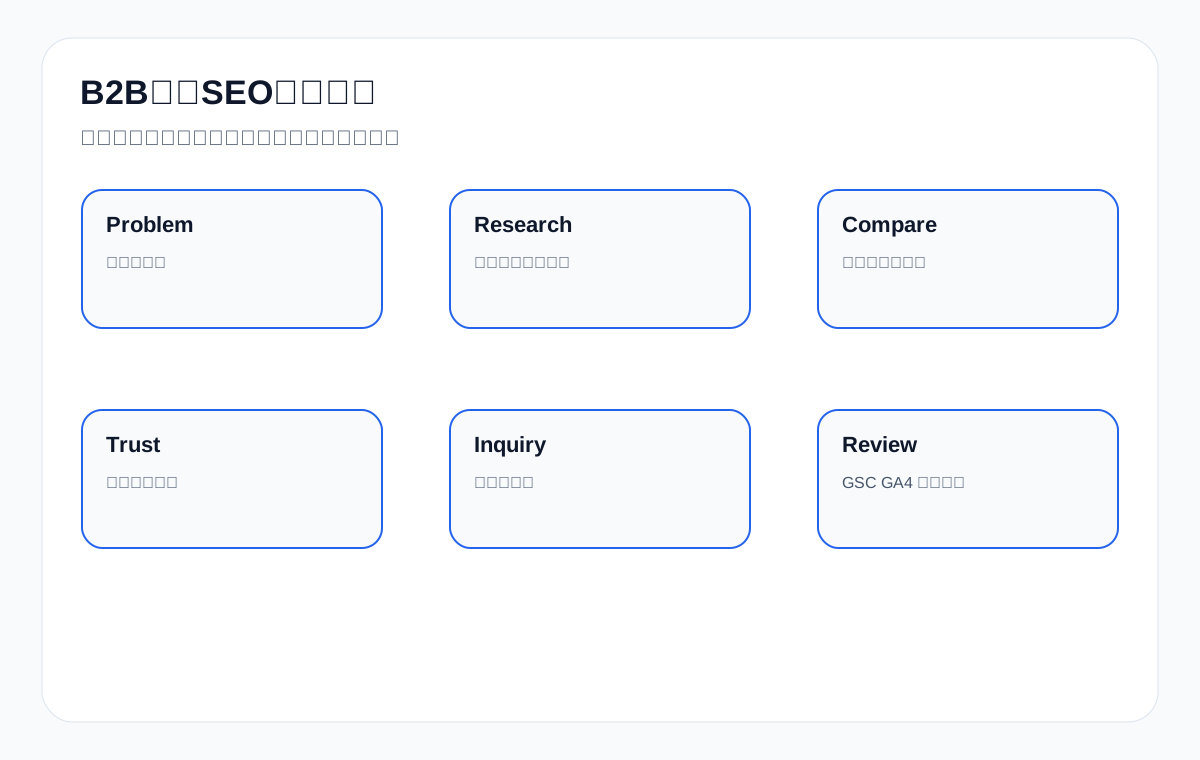
B2B Google foreign-trade lead generation optimization is not just about publishing articles, chasing rankings, or watching traffic. It is about connecting the long decision journey of overseas buyers — from discovering a problem, researching specifications, shortlisting suppliers, comparing options, confirming trust, to submitting an inquiry — through website pages and data reviews. For Chinese export manufacturers, factories, and trading companies, genuinely valuable optimization must cover product pages, category pages, application pages, technical articles, certificate and resource pages, downloadable materials, and inquiry pages, as well as GSC, GA4, inquiry sources, sales feedback, and AI citation reviews.
If you sell custom metal parts, LED flood light, packaging machine, medical probe, cnc machining parts, ceramic dinnerware, waterproof connector, industrial valve supplier, or private label activewear manufacturer, your buyers usually will not place an order immediately after reading one article. They repeatedly compare parameters, certificates, MOQ, lead time, application scenarios, supply capability, and risk. SEO lead generation must serve this long cycle, not chase a single visit.
Official evidence boundaries: B2B Google foreign-trade lead generation starts with validating the page system and data definitions
B2B Google foreign-trade lead generation optimization cannot be judged only by article counts, ranking screenshots, or traffic curves. A more reliable approach is to use official materials from Google Search Central, Search Console, GA4, OpenAI, Bing, and IndexNow to break the lead generation system into reviewable fields: whether pages serve real procurement questions, whether core URLs are accessible and indexable, whether the sitemap covers product lines, whether GSC can observe search performance by query and page, whether GA4 can record inquiry actions, whether sales feedback can flow back into pages, and whether AI samples can be retested.
If there is currently no usable GSC query, page, or page-query row data, you cannot add rankings, impressions, clicks, CTR, AI adoption, or inquiry changes. What can be accepted at this point is the baseline: whether the page map is established, whether product facts are complete, whether forms and resource downloads are trackable, whether sales feedback fields are clear, and what the next review will examine.
Mapping table between official resources and B2B foreign-trade lead generation fields
| Official resource | What it helps you judge | B2B lead generation acceptance fields | What you must not claim |
|---|---|---|---|
| Google Search Central: SEO Starter Guide | Titles, body content, images, links, and site structure should help users and search systems understand the page. | Whether category pages, product pages, application pages, resource pages, and inquiry pages answer procurement questions. | You cannot equate the number of articles published with a lead generation system. |
| Google Search Central: Search Essentials | A website needs to meet accessibility, indexability, and basic quality requirements. | Whether core product line URLs are crawlable, indexable, and free of obvious quality risks. | Basic compliance does not mean inquiry results already exist. |
| Google Search Central: How Search Works | Search involves discovery, crawling, indexing, and serving results. | Break lead generation problems into the discovery path, indexing eligibility, page understanding, and search performance. | A page going live does not mean it already appears in search results. |
| Google Search Central: Search Console start guide | Search Console is used to observe site performance and issues in Google Search. | Whether account access, properties, sitemap, performance reports, and index reports are available. | You cannot fabricate search performance without access or data. |
| Search Console Help: Performance report | query, page, clicks, impressions, CTR, average position, country, device. | Observe search performance split by product keyword, page, country, and device. | Without row data, you cannot claim rankings, impressions, clicks, CTR, or trend improvements. |
| Search Console Help: URL Inspection tool | The index status, crawl status, canonical, and the page version Google sees for a single URL. | Sample checks on home page, category pages, product pages, application pages, resource pages, and inquiry pages. | A single indexable URL does not mean it will rank. |
| Google Search Central: Sitemaps overview | Sitemaps help Google discover important URLs. | Whether product lines, application pages, resource pages, article pages, and inquiry-related pages are included in the sitemap. | Being in the sitemap does not mean it has been crawled, indexed, or shown. |
| Google Search Central: robots.txt introduction | robots.txt controls the scope of crawl access. | Whether product directories, resource files, images, CSS, JS, or AI-related crawl paths are blocked by mistake. | Allowing crawling does not mean pages will be indexed. |
| Google Search Central: URL canonicalization guide | Duplicate URLs need to be handled through canonical tags, redirects, internal links, and sitemaps working together. | Whether parameter pages, variant pages, multilingual pages, and old product pages split page signals. | A canonical is not a ranking promise. |
| Google Search Central: Structured data general guidelines | Structured data must come from content that is genuinely visible on the page. | Whether Product, Organization, FAQ, and Breadcrumb fields have a factual source on the page. | You cannot use Schema to fabricate information the page does not contain. |
| Google Search Central: Product structured data | Product structured data must match the visible product information on the page. | Whether product page parameters, images, brand, model, price, or price-on-request boundaries are clear. | You cannot write product facts that do not exist into structured data. |
| Google Analytics Help: About events | GA4 events can observe actions such as forms, email, WhatsApp, downloads, and RFQ buttons. | Whether inquiry pages, product page buttons, resource downloads, and contact paths can be recorded. | You cannot interpret traffic directly as valid inquiries. |
| Google Search Central: AI features and your website | AI search capabilities still depend on pages that are accessible, indexable, and clearly written. | Record AI samples, brand mentions, cited URLs, page facts, and false facts separately. | You cannot promise that AI answers will always cite your official site. |
| OpenAI Platform: Bots | Distinguish the purposes and access boundaries of OAI-SearchBot, GPTBot, and ChatGPT-User. | Whether robots and logs unintentionally block public pages and resource pages. | You cannot state that ChatGPT will display content in a specified way. |
| Bing Webmaster Blog: AI Performance | If visible in the account, you can observe AI citations, cited pages, and grounding query phrases. | Keep Bing AI performance separate from traditional search performance, GSC, GA4, and inquiry feedback. | It cannot represent all AI platforms. |
| IndexNow: Documentation | After URLs are added, updated, or deleted, you can send notifications to participating search engines. | Whether key product pages, resource pages, and articles trigger a notification action after updates. | It cannot replace content quality, crawl eligibility, or indexing eligibility. |
B2B lead generation acceptance criteria: pages, data, and sales feedback must form a closed loop
| Acceptance layer | Deliverables that can be accepted | Review materials | Risk signals |
|---|---|---|---|
| Page map | Each product line has a description of the role of category pages, product pages, application pages, resource pages, article pages, and inquiry pages. | URL list, page role table, product keyword mapping table. | All keywords are stuffed into articles or the home page. |
| Product facts | Parameters, materials, certifications, applications, MOQ, lead time, FAQ, and downloadable materials are written on the page. | Before-and-after page comparison, product data sheets, image alt text, and download entry points. | The page only lists advantage slogans. |
| Search performance | GSC review by query, page, country, device, clicks, impressions, CTR, and average position. | GSC export, date range, filter conditions, and page change log. | Only ranking screenshots are provided. |
| On-site actions | GA4 records forms, email, WhatsApp, RFQ, resource downloads, and key button events. | Event names, trigger locations, page paths, and test records. | Only total traffic is reviewed. |
| Inquiry quality | Product, country, procurement stage, parameter completeness, budget or quantity, and sales judgment are fed back. | Inquiry field table, sales feedback, page source, and product line records. | Only the number of forms is counted. |
| AI samples | Platform, query, date, answer summary, brand mentions, cited URLs, and factual accuracy are recorded separately. | AI sample table, screenshots, cited URLs, and page fact comparison. | A single screenshot is written up as a long-term result. |
How to write B2B lead generation conclusions when there is no GSC data
When there is no GSC row data, B2B lead generation optimization can still move forward, but the conclusions must be downgraded to baseline building. You can accept the page system, technical foundation, tracking events, and sales feedback fields, but you cannot claim that search performance or inquiry improvements have already occurred.
| Current evidence | Can be accepted | Should not be written | Next action |
|---|---|---|---|
| GSC query/page shows 0 rows | Account access, sitemap, core URL list, product keywords, and observation definitions. | Existing keyword performance, ranking improvements, CTR changes. | Recheck at 28 days and 90 days to see whether queries and pages appear. |
| GA4 events not configured | Planning for form, resource download, email, WhatsApp, and RFQ button events. | Organic search inquiries can already be attributed today. | First make on-site actions observable. |
| Sales feedback missing | Establish inquiry quality fields and a feedback cadence. | Inquiry quality has already improved. | Compare pages, product lines, and sales judgment every month. |
| AI samples not established | Query set, platform, date, answer summary, brand mentions, and citation records. | AI search already cites the official site. | Do a first round of samples, then monthly retests. |
| Product materials insufficient | Add parameters, applications, certifications, FAQ, image descriptions, and downloads. | Inquiries will naturally come after the page goes live. | First turn the page into an understandable asset. |
Delivery boundaries: you can deliver the lead generation system and review actions, not external platform results
What B2B Google foreign-trade lead generation optimization can deliver is the page system, product evidence, technical checks, data tracking, sales feedback fields, review tables, and next-round actions. It cannot control all search rankings, all AI answers, all inquiry volumes, and all closed deals. The clearer the boundaries, the easier it is for reviews to land on the real business.
| Delivery module | Acceptable outcomes | Should not be promised | Review materials |
|---|---|---|---|
| Page system | Clear division of labor among category pages, product pages, application pages, resource pages, article pages, and inquiry pages. | Immediate search performance after pages go live. | URL and page role table. |
| SEO fundamentals | Titles, body content, internal links, sitemap, robots, canonical, Schema. | Guaranteed rankings or guaranteed clicks. | Technical and content acceptance table. |
| Data tracking | GSC, GA4, events, inquiry table, and sales feedback fields. | A single data source can explain all business results. | Monthly review table. |
| GEO observation | AI query sets, sample records, brand mentions, cited URLs, factual accuracy. | AI answers will definitely cite the official site. | AI visibility sample table. |
| Sales collaboration | Inquiry quality grading, common questions, material gaps, and page improvement actions. | Organic search will definitely produce specified closed deals. | Sales feedback table and page action log. |
2. Benchmarking against top-ranking and authoritative references: where general B2B SEO guides fall short
In the current authoritative references, Semrush’s complete B2B SEO strategy emphasizes creating buyer personas, understanding the sales funnel, doing keyword research around different stages, mapping keywords, optimizing product or service landing pages, building a content strategy, and promoting content to earn links. Sprout Social’s B2B SEO guide emphasizes connecting search, social, and site experience, along with clear titles, short paragraphs, and visual content. Many long-cycle B2B lead generation guides also emphasize multiple decision-makers, long sales cycles, trust building, content nurturing, and lead quality.
The strength of these guides is a complete framework; they are useful for understanding how B2B SEO differs from B2C: longer decisions, more roles, and keyword volume that may be low but high in value. But they are still not grounded enough for Chinese foreign-trade companies: they do not explain in detail how English product keywords map to category pages, product pages, application pages, resource pages, and inquiry pages; they do not explain how sales feedback adjusts SEO in reverse; and they do not include whether AI answers cite the official site in the review.
Top-1/authoritative benchmark gap card
| Reference content | Strengths | Gap for foreign-trade businesses | What this article adds |
|---|---|---|---|
| Semrush B2B SEO strategy | Complete funnel, persona, keyword mapping, and content strategy | Examples lean toward SaaS/services and are not grounded enough in foreign-trade product pages | Breaks it down using foreign-trade English product keywords and page types |
| Sprout Social B2B SEO | Emphasizes content experience and multi-channel connection | Does not go deep into inquiry pages and product evidence | Adds inquiry pages, resource pages, and sales feedback |
| Long-cycle B2B lead generation | Emphasizes long cycles and multiple decision-makers | Lacks SEO page structure and GSC review detail | Adds GSC, GA4, inquiry sources, and AI citation dashboards |
3. How B2B foreign-trade SEO differs from ordinary traffic SEO
The goal of B2B foreign-trade SEO is not to make all traffic grow, but to route high-value procurement intent to the right pages. Buyers may come from engineering, procurement, ownership, brand, quality, or project management, and different roles search for different questions. Engineers may look up tolerance, material, IP rating, and datasheet; procurement may look up supplier, MOQ, and lead time; owners may look up manufacturer capability, certificate, case, and factory audit.
B2B foreign-trade SEO vs. ordinary SEO
| Dimension | Ordinary traffic mindset | B2B foreign-trade lead generation mindset |
|---|---|---|
| Keywords | Pursue high search volume | Value low-volume, high-intent, and long-tail procurement keywords |
| Pages | More articles is better | Category pages, product pages, application pages, and resource pages carry the load together |
| Conversion | Look at form count | Look at inquiry quality, country, product, and procurement stage |
| Cycle | Hope for short-term results | Accept a long cycle and review by stage |
| Content | Talk about concepts and advantages | Answer parameters, certificates, selection, MOQ, and risks |
4. Long decision cycle: buyers do not inquire after a single visit
Foreign-trade B2B procurement usually has multiple stages: discovering the problem, researching solutions, shortlisting suppliers, comparing parameters, internal confirmation, submitting an inquiry, samples or quotes, and final purchase. SEO pages must serve these stages. Writing only “contact us for a quote” is too early; the buyer does not trust you enough yet. Writing only tutorials without directing to product pages also wastes traffic.
Page roles across the long decision cycle
| Stage | Buyer question | Suitable pages |
|---|---|---|
| Problem discovery | What solution can solve my scenario? | Technical articles, application scenario pages |
| Parameter research | What specifications, materials, and certificates are needed? | Product pages, resource pages, FAQ |
| Supplier shortlisting | Who can manufacture, deliver, and customize? | Category pages, capability pages, About page |
| Solution comparison | How to choose between models or processes? | Comparison tables, selection guides, application pages |
| Inquiry preparation | What information should be provided before requesting a quote? | Inquiry pages, download forms, FAQ |
| Repeat purchase and follow-up | Is the supplier reliable and responsive? | Resource center, email follow-up, sales feedback |
5. Page map: how articles, category pages, product pages, application pages, and resource pages work together
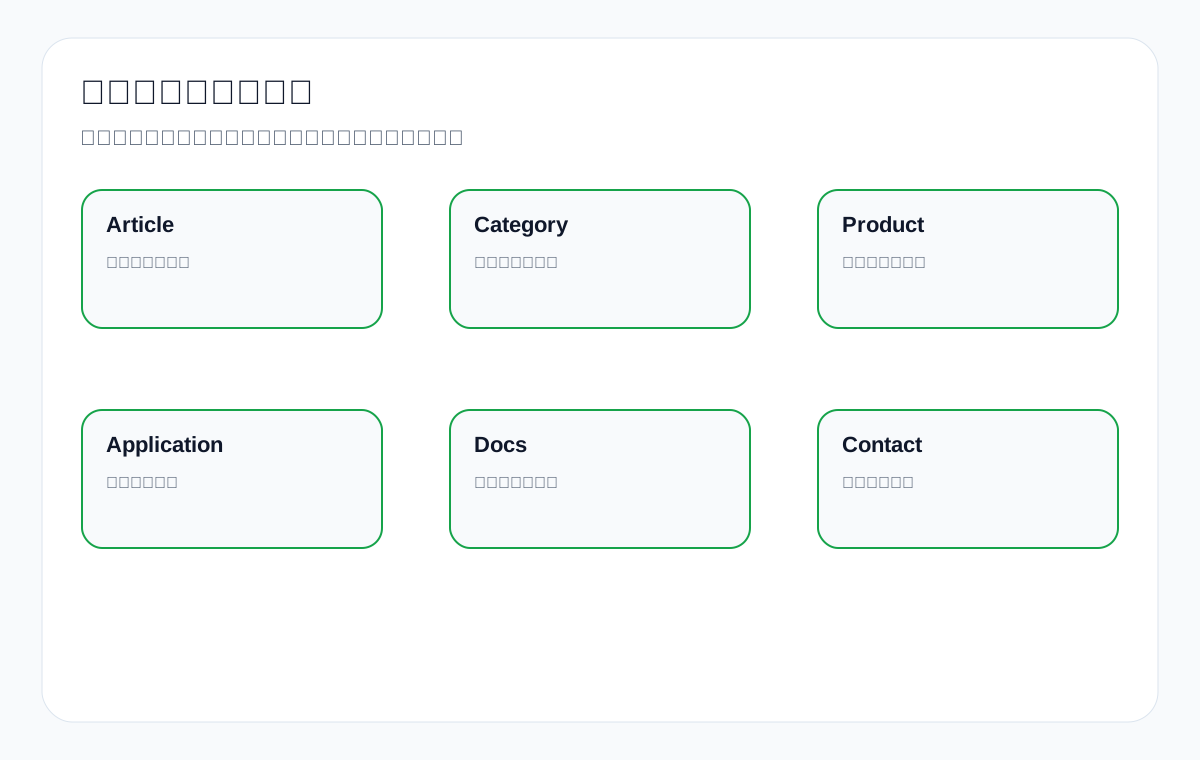
Page map and tasks
| Page type | Main task | Foreign-trade example |
|---|---|---|
| Technical article | Answer questions, explain standards, funnel visitors to related pages | how to choose waterproof connector IP rating |
| Product category page | Capture supplier shortlisting and product range | custom metal parts manufacturer, industrial valve supplier |
| Product page | Answer parameters, specifications, materials, applications, certificates | 200W IP66 LED flood light, cnc machining aluminum parts |
| Application page | Connect industry scenarios with product solutions | packaging machine for powder, connector for marine equipment |
| Resource page | Provide certificates, downloads, catalogs, test reports | datasheet, catalog, ISO, RoHS, CE |
| Inquiry page | Reduce submission friction and collect key information | Drawing upload, product selection, country, quantity, application scenario |
6. Keyword mapping: English product keywords must land on the right pages
Keyword research cannot stop at a list. Every English product keyword must be mapped to a page role: supplier keywords to category pages, parameter keywords to product pages, application keywords to application pages, question keywords to article pages, certificate and download keywords to resource pages, and quote keywords to inquiry pages or FAQ.
Keyword-to-page mapping
| Keyword type | Example | Target page | Page focus |
|---|---|---|---|
| Supplier shortlisting keyword | custom metal parts manufacturer | Category page/capability page | Process, materials, equipment, certificates, lead time |
| Product specification keyword | LED flood light 200W IP66 | Product page | Parameters, applications, certifications, downloadable materials |
| Application scenario keyword | packaging machine for powder | Application page | Material, capacity, bag type, selection advice |
| Technical question keyword | cnc machining tolerance guide | Article/resource page | Judgment criteria, tables, downloads |
| Cooperation terms keyword | private label activewear manufacturer MOQ | FAQ/service process page | MOQ, samples, fabric, packaging, lead time |
7. How to build a product page: it is not just images and parameters
A B2B product page should help buyers judge whether this product fits my project. Besides images and basic parameters, it also needs materials, specification ranges, application environments, certificates, downloadable materials, similar products, FAQ, delivery information, and quote request prompts.
Product page module checklist
| Module | Purpose | Example |
|---|---|---|
| Specification table | Quickly judge whether it matches requirements | wattage, IP rating, material, tolerance, capacity |
| Application scenarios | Explain which industries and environments it suits | warehouse, marine, food packaging, medical device |
| Certificate materials | Reduce the cost of trust | CE, RoHS, ISO, FDA, test report |
| Downloadable materials | Make internal evaluation easier | datasheet, catalog, drawing, manual |
| FAQ | Answer procurement questions in advance | MOQ, lead time, sample, customization, warranty |
| Quote request entry | Reduce submission friction | Upload drawings, select quantity, describe application |
8. How to build a category page: capture supplier shortlisting keywords
Many foreign-trade websites treat category pages as just a product list, but when B2B buyers search for supplier, manufacturer, or factory, they need to judge supply capability. A category page should explain product range, process capability, material range, industry applications, quality control, certificates, customization process, and related products.
Category page optimization checklist
| Module | Content |
|---|---|
| Product range | List main models, series, sizes, materials, or power ranges |
| Supply capability | Factory equipment, capacity, customization, OEM/ODM capability |
| Industry applications | Explain applicable industries and typical scenarios |
| Quality evidence | Certificates, inspection, testing, packaging, and shipping control |
| Product entry points | Clear links to specific product pages |
| Inquiry guidance | Explain how to provide drawings, specifications, quantity, and target market |
9. How to build an application page: a key entry point for long-tail inquiry keywords
Application pages are suited to searches combining product + scenario, such as LED flood light for warehouse, packaging machine for powder, waterproof connector for marine, and industrial valve for water treatment. Search volume for these terms is not necessarily high, but intent is clear and inquiry quality may be higher.
Application page structure
| Module | Question to answer |
|---|---|
| Scenario problem | What limitations or risks does the buyer face in this application |
| Selection criteria | Which parameters, materials, certificates, or environmental conditions matter |
| Matching products | Which product series fit and what the differences are |
| Common misconceptions | Which choices lead to cost or quality problems |
| Inquiry preparation | What information the buyer should provide |
10. How to build an inquiry page: ask fewer useless fields, collect more key judgment information
An inquiry page is not simply a contact form. B2B foreign-trade inquiries need enough information to help sales judge quality, but too many fields will make buyers give up. It is recommended to set key fields by product type: product category, quantity, target country, application scenario, drawings or specifications, procurement stage, and contact details.
Suggested inquiry page fields
| Field | Why it is needed | Notes |
|---|---|---|
| Product category | Helps assign sales and judge demand | Use dropdowns or multi-select to reduce input cost |
| Quantity/annual demand | Judge procurement scale | Do not force excessive detail; estimates are allowed |
| Target country | Judge certification and logistics requirements | Suitable for foreign-trade team assignment |
| Application scenario | Help recommend a model or solution | Use prompts to guide completion |
| Drawing/material upload | Suitable for machining, connector, and equipment products | Ensure upload functionality is stable |
| Procurement stage | Understand whether it is a quote, sample, bulk, or project evaluation | Helps sales follow up at the right pace |
11. Resource pages and downloads: trust assets in the long B2B cycle
When buyers evaluate internally, they often need to download datasheet, catalog, certificate, test report, manual, and drawing. If resource pages are scattered or inaccessible, it hurts trust and internal forwarding. Resource pages also help AI search understand official site evidence.
Resource page build checklist
| Material type | Suitable products | Page requirements |
|---|---|---|
| datasheet | Connectors, lighting, valves, equipment | Version, applicable models, and download button are clear |
| catalog | Multi-series products | Categorized by product line; avoid large files that are hard to navigate |
| certificate | Medical, lighting, electronics, food-contact products | Certificate validity period and scope of application are clear |
| manual | Equipment and installation products | Language, version, and product model are clear |
| drawing | Machined parts, connectors, mechanical parts | Format description and quote request prompts |
12. Data review: look at search, visits, inquiries, and sales feedback together
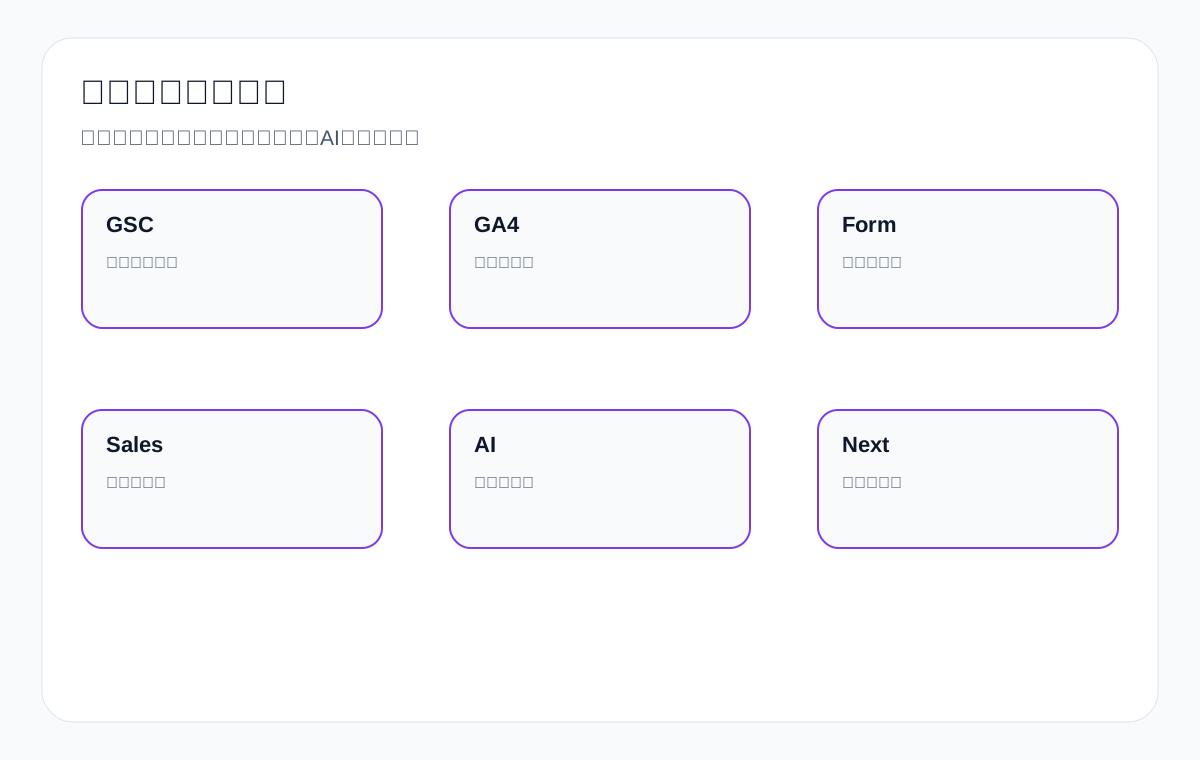
Review metrics table
| Data source | What to look at | How to adjust |
|---|---|---|
| GSC | Query terms, pages, countries, impressions, clicks, CTR | Adjust titles, page roles, content, and internal links |
| GA4 | Landing pages, engagement, form events, downloads, WhatsApp clicks | Optimize CTAs, resources, and form paths |
| Inquiry form | Product, country, quantity, application, procurement stage | Judge whether the page brings valid demand |
| Sales feedback | Validity, frequently asked questions, price sensitivity, follow-up results | Add FAQ, revise page explanations, adjust target keywords |
| AI citations | Brand mentions, official site citations, answer accuracy | Add resource pages, certificate pages, and entity consistency |
13. 90-day roadmap: build the foundation, then expand pages, then review inquiries
90-day roadmap
| Stage | Task | Deliverables |
|---|---|---|
| Days 1-30 | Diagnose core product lines, GSC/GA4 baseline, and inquiry path | Product line priorities, page map, data baseline |
| Days 31-60 | Upgrade category pages, product pages, application pages, and resource pages | A batch of high-value pages, FAQ, tables, internal links, inquiry entry points |
| Days 61-90 | Observe data, adjust keywords, add content and sales feedback | Review report, next batch page list, inquiry quality analysis |
14. Lead generation focus for different product lines
Product line lead generation focus
| Product line | SEO focus | Inquiry page prompts |
|---|---|---|
| custom metal parts | Materials, processes, tolerances, surface treatment, drawing formats | Upload drawings, material, quantity, surface treatment |
| LED flood light | Wattage, IP rating, beam angle, application scenarios, certifications | Project scenario, installation height, quantity, target market |
| packaging machine | Material, capacity, bag type, degree of automation, after-sales | Material samples, packaging specifications, speed requirements |
| medical probe | Materials, sterilization, compatible equipment, compliance certificates | Use, equipment model, certification requirements |
| ceramic dinnerware | Material, glaze, sets, packaging, custom patterns | Style, quantity, packaging, logo requirements |
| waterproof connector | IP rating, pin count, wire gauge, locking method, application environment | Cable specifications, usage environment, quantity |
15. Common misconceptions: why there is traffic but no inquiries
Misconception diagnostic table
| Symptom | Possible cause | Adjustment direction |
|---|---|---|
| High article traffic but no inquiries | Articles do not lead to product pages or target too early-stage intent | Add internal links to related products, resource downloads, and next-step guidance |
| Many product page visits but few forms | Insufficient parameters, certificates, MOQ, or trust evidence | Add procurement evidence and reduce form friction |
| Many inquiries but poor quality | Keyword intent skews low-price or does not match the product line | Adjust target keywords and page descriptions |
| High GSC impressions but low clicks | Titles do not match procurement intent | Rewrite titles and descriptions to highlight product capability |
| AI answers do not cite the official site | Pages lack clear evidence or entities are inconsistent | Add resource pages, FAQ, and company entity information |
16. FAQ: common questions about B2B Google foreign-trade lead generation optimization
Is B2B foreign-trade SEO just about writing articles?
Not exactly. Articles can only capture some question-type searches; inquiry generation is also driven by category pages, product pages, application pages, resource pages, and inquiry pages.
How do you measure SEO results over a long decision cycle?
Do not look only at same-day inquiries. Look at GSC query changes, GA4 landing pages and events, resource downloads, how well inquiries match products, and sales feedback.
Are low-search-volume long-tail keywords worth targeting?
If a term clearly corresponds to a high-value product, application scenario, or procurement stage, it is worth targeting even with low search volume. High-intent B2B terms are often more valuable than broad high-traffic terms.
Do product pages need to be very long?
Length is not the goal; fully answering procurement questions is. Specification tables, applications, certificates, FAQ, downloads, and inquiry entries matter more than vague long-form text.
Are more inquiry form fields always better?
No. Fields should be enough for sales to judge quality, but must not create submission friction. Optional fields and material uploads can improve quality.
Which matters more, GSC or GA4?
Both matter. GSC shows search-side queries and pages, while GA4 shows behavior and conversion paths after visitors arrive.
Is AI search visibility related to foreign-trade inquiries?
It is related, but you cannot judge it from a single answer. Observe brand mentions, official site citations, answer accuracy, and the building of page evidence.
How long until B2B SEO results show?
It depends on the site foundation, competition, page quality, and execution speed. It is more reasonable to look at stage signals at 30, 60, and 90 days rather than expect a certain result in the short term.
Should the sales team be involved in SEO?
Yes. Sales knows customer questions, inquiry quality, and common objections, and this information can feed back into improving FAQ, product pages, and application pages.
Which page should be optimized first for lead generation?
First look at high-value product lines and existing data. Usually the priority is category pages, product pages, and inquiry paths that can capture commercial intent.
17. What B2B foreign-trade SEO deliverables should include
If a foreign-trade company hands B2B Google lead generation optimization to an external team, it should not receive only an “optimization report” and an “article list.” Genuinely useful deliverables must support internal execution and review: page map, keyword mapping, URL-level diagnosis, page copy revisions, material requirements list, technical issue list, inquiry path check, GSC/GA4 data review, sales feedback organization, and next month’s priorities.
B2B foreign-trade SEO deliverables checklist
| Deliverable | Content | Acceptance criteria |
|---|---|---|
| Page map | Division of labor among category pages, product pages, application pages, resource pages, article pages, and inquiry pages | Every target keyword has a corresponding page role |
| Keyword mapping | English product keywords, application keywords, parameter keywords, question keywords, supplier keywords | Not a keyword list, but a page strategy |
| URL-level diagnosis | Specific page problems, impact, actions, and priorities | Can be turned into content or development tasks |
| Page copy revisions | Titles, body content, tables, FAQ, internal links, CTA | Fits the foreign-trade procurement context |
| Material requirements | Which parameters, certificates, images, and downloadable files are missing | The company can supply materials according to the list |
| Review report | GSC, GA4, inquiries, sales feedback, AI citations | Can explain changes and decide the next step |
If a deliverable cannot answer “which page was changed, why it was changed, who is responsible, and what data to watch,” it will struggle to drive B2B lead generation. Foreign-trade companies should require that every optimization action can be traced back to pages, data, and inquiry quality.
18. Content modules: what information every type of page needs at minimum
The content modules of B2B foreign-trade pages must be designed around buyer decision needs. Not every page has to be long-form, but every key page must answer the questions of the corresponding stage.
Key page content modules
| Page | Required modules | Enhanced modules |
|---|---|---|
| Product category page | Product range, supply capability, application industries, certificates, product entry points | Selection advice, comparison table, FAQ, resource downloads, industry internal links |
| Product detail page | Parameter table, images, materials, applications, certificates, inquiry entry | Similar products, downloadable files, installation instructions, procurement FAQ |
| Application scenario page | Scenario problem, selection criteria, matching products, common misconceptions | Flowchart, case-based explanation, download checklist |
| Technical article | Definition, steps, judgment table, examples, FAQ | Diagrams, checklist, related product entry points |
| Resource page | File name, version, applicable products, download button | Certificate validity, related FAQ, quote request prompts |
| Inquiry page | Product category, quantity, country, application, contact details | Drawing upload, procurement stage, response time statement |
The clearer these modules are, the easier it is for buyers to forward and evaluate internally, and the easier it is for AI systems to understand your official site evidence.
19. How sales feedback enters SEO: write inquiry problems back into pages
The most easily overlooked part of B2B foreign-trade SEO is sales feedback. Every day, sales sees what customers ask, where they get stuck, why they stop talking, and which inquiries are invalid. This information should return to SEO pages and become FAQ, parameter explanations, application pages, resource pages, and inquiry form prompts.
From sales feedback to page actions
| Sales feedback | What it indicates | Page action |
|---|---|---|
| Customers repeatedly ask about MOQ | The page does not state cooperation thresholds in advance | Add MOQ and sample policy to product page/FAQ/inquiry page |
| Customers ask whether a certificate suits a certain market | Certificate materials are unclear | Build a certificate page and link it to product lines |
| Drawings sent by customers are incomplete | The inquiry form does not guide enough | Add field prompts for drawings, material, quantity, and surface treatment |
| Many inquiries ask about low-price retail | Page intent or titles attract the wrong audience | Adjust keywords and page descriptions to strengthen the B2B procurement context |
| Customers ask about lead time and packaging | The page lacks commercial information | Add lead time, packaging, shipping, and customization process |
Sales feedback is not “extra information”; it is the key evidence B2B SEO uses to judge lead quality. Without sales feedback, an SEO team easily looks only at traffic and rankings and ignores the real possibility of closing deals.
20. Inquiry quality grading: do not only count forms
Foreign-trade lead generation optimization should look at inquiry quality, not just quantity. It is recommended to grade inquiries by product match, country market, procurement stage, information completeness, budget or quantity, and sales judgment. Only then can you know whether the traffic SEO brings is close to the business goal.
Inquiry quality grading table
| Grade | Characteristics | Follow-up action |
|---|---|---|
| Grade A | Product match, suitable country, clear quantity, complete materials, clear procurement stage | Prioritize follow-up and analyze the source page |
| Grade B | Product matches but information is incomplete | Sales asks follow-up questions while the form prompts are optimized |
| Grade C | Product is related but quantity is small or the stage is early | Enter nurturing; add FAQ and resource downloads |
| Grade D | Product does not match, country is unsuitable, or clearly low quality | Mark as low quality and adjust keywords and pages in response |
In the monthly review, do not just say “organic search brought 10 inquiries this month.” Say which pages, which products, and which countries those 10 inquiries came from, what their sales grades were, and how the pages should be changed next month.
21. B2B content depth: which content suits long-form and which does not
B2B foreign-trade SEO needs deep content, but not every page should be padded into a long article. Technical tutorials, selection guides, problem diagnosis, industry applications, and comparison articles suit depth; product pages and category pages must be complete enough without sacrificing readability for word count; contact pages, navigation pages, and simple resource pages should focus on conversion and clarity.
Content depth judgment table
| Content type | Suitable for long-form | Reason |
|---|---|---|
| Technical tutorial | Suitable | Needs to explain principles, steps, judgment criteria, and misconceptions |
| Selection guide | Suitable | Buyers need to compare parameters, scenarios, and risks |
| Industry application page | Medium-high | Needs to explain scenarios, problems, solutions, and matching products |
| Product page | Moderately complete | Focus is parameters, evidence, FAQ, and inquiry, not empty word count |
| Category page | Moderately complete | Must explain product range and supply capability |
| Contact page | Not suitable for padding | The goal is to reduce submission friction and build trust |
22. Internal collaboration: foreign-trade SEO is not a job for one marketing department
B2B foreign-trade lead generation optimization requires at least four types of roles to collaborate: marketing or SEO handles search intent and page structure, product or technical handles parameters and evidence, sales handles inquiry quality and customer questions, and development or operations handles speed, indexing, forms, and analytics events.
Internal collaboration roles
| Role | Responsibilities | Monthly output |
|---|---|---|
| Marketing/SEO | Keywords, page map, content structure, GSC review | Next month’s page priorities and content requirements |
| Product/Technical | Parameters, materials, certificates, application boundaries | Material confirmation and professional review |
| Sales | Inquiry quality, customer questions, deal feedback | Grade A/B/C/D inquiry feedback |
| Development/Ops | Speed, indexing, forms, analytics, downloads | Technical task completion status |
| Owner/Manager | Product line priorities, budget, market direction | Decisions and resource allocation |
Without internal collaboration, even a hard-working external team easily writes generic content. Foreign-trade companies must treat product facts and sales feedback as SEO assets, not treat SEO merely as outsourced execution.
23. How to judge B2B foreign-trade SEO quotes
Quotes cannot be judged only by “how many articles per month.” What genuinely consumes time in B2B foreign-trade SEO is diagnosis, material organization, page structure, product fact confirmation, technical collaboration, data review, and sales feedback organization. If a low price covers only generic articles, it will struggle to solve the problem of long decision cycles.
Quote judgment table
| Quote item | Low-value practice | High-value practice |
|---|---|---|
| Keywords | Only a keyword list | Page mapping and priorities |
| Content | Deliver generic articles by count | Add tables, FAQ, resources, and inquiry paths by page role |
| Technical | Only tool screenshots | URL-level problems, impact, and development actions |
| Conversion | Ignore forms and inquiries | Check inquiry pages, GA4 events, and sales feedback |
| Review | Only look at rankings | Combine GSC, GA4, inquiries, and AI citations |
24. AI search visibility: the B2B official site must become a citable source
In the AI search era, a B2B foreign-trade website must not only be indexed by Google but also make it easier for AI answers to understand official site facts. Whether AI cites the official site depends on whether pages have clear product facts, certificate materials, FAQ, entity consistency, and external citations.
AI visibility page actions
| Dimension | Page action |
|---|---|
| Entity consistency | Company name, brand name, product lines, address, and certificate wording are consistent |
| Citable passages | Write clear definitions, specifications, and applicable scenarios on product and resource pages |
| Evidence tables | Parameter tables, comparison tables, certificate tables, FAQ tables |
| Resource downloads | datasheet, catalog, manual, certificate are accessible |
| Third-party citations | Natural citations from industry directories, customer partners, and resource pages |
25. Monthly review meeting: use one table to decide what to do next month
Monthly review meeting table
| Topic | What to look at | Output |
|---|---|---|
| Search performance | GSC queries, pages, countries, CTR | Title and page priority adjustments |
| On-site behavior | GA4 landing pages, engagement, downloads, forms | CTA, resource, and form improvements |
| Inquiry quality | Product, country, quantity, sales grade | Keyword and page intent corrections |
| Content gaps | Customer questions, missing parameters, certificate needs | Next month’s content and resource list |
| AI citations | Brand mentions, official site citations, answer accuracy | Entity and resource page improvements |
Each meeting solves only one problem: which pages are most worth optimizing next month. Do not turn the review into a data presentation; turn it into a decision meeting about pages and business actions.
26. Case-based path: how to start with one product line
Suppose your key product line is waterproof connector. The first step is not to write ten articles, but to build a page map: one waterproof connector category page, several specific product pages, one IP rating selection guide, one marine application page, one datasheet download page, and one inquiry page field prompt. Then use GSC to observe whether terms such as waterproof connector supplier, IP67 waterproof connector, and waterproof connector for marine land on the right pages.
Now suppose your key product line is packaging machine. You need to distinguish scenarios such as powder, granule, liquid, vacuum, vertical, and horizontal; application pages matter more than generic articles. The inquiry page should prompt customers to provide material, packaging specifications, speed, bag type, and automation requirements. If sales feedback finds that customers often ask about sample testing, add a “material testing and sample process” module.
This case-based path can be copied to product lines such as custom metal parts, LED flood light, medical probe, ceramic dinnerware, and industrial valve supplier. The core logic does not change: first break down the procurement stages clearly, then build the page roles clearly, and finally review with data and sales feedback.
27. Pre-launch page acceptance: do not just check whether it was published
Before a B2B foreign-trade lead generation page goes live, run an acceptance check. Many pages look published, but lack core parameters, have untracked form events, use oversized images, have broken resource downloads, or have internal links that do not lead to related products, all of which affect later lead generation.
Page launch acceptance table
| Check item | Pass criteria | Risk if failed |
|---|---|---|
| Search intent | Page title, H1, body content, and target keywords are consistent | Attracts wrong traffic or low click-through rate |
| Product evidence | Parameters, applications, certificates, resources, and FAQ are complete | Buyers cannot judge whether it fits |
| Inquiry path | CTA is clear, form can be submitted, upload works | Visits cannot be converted into leads |
| Analytics tracking | GA4 events, form sources, and download events can be recorded | No way to review later |
| Internal links | Articles, categories, products, and application pages link to one another | Traffic stays on isolated pages |
| Mobile | Images, tables, and forms are readable and usable on phones | Poor mobile experience for overseas buyers |
28. Metric misconceptions: which data cannot support conclusions on its own
The biggest fear in B2B foreign-trade SEO reviews is looking at a single metric. Rising impressions do not mean better inquiries, rising rankings do not mean a product match, rising inquiry volume does not mean improved quality, and a brand name appearing in an AI answer does not mean the customer will buy. All data must be interpreted within page roles and business stages.
Metric misconception table
| Single metric | Easy misjudgment | Correct view |
|---|---|---|
| Rising impressions | Assuming lead generation must be improving | Check whether the query terms match key products and target countries |
| Falling CTR | Assuming the page got worse | It may be that impressions expanded to broader terms; look at the query distribution |
| Rising rankings | Assuming inquiries are imminent | Also check whether the page has procurement evidence and a CTA |
| More forms | Assuming performance is good | Look at the sales grade and product match |
| Short dwell time | Assuming content is poor | Buyers may quickly download a resource or contact you directly |
| AI mentions the brand | Assuming GEO succeeded | Look at answer accuracy, official site citations, and coverage of procurement questions |
29. Owner dashboard: look at only these 12 questions each month
An owner or foreign-trade lead does not need to see every SEO detail, but does need to see the questions that affect resource allocation. It is recommended to run the monthly meeting around 12 questions:
- Which key product lines saw changes in search impressions and clicks this month?
- Which pages brought in organic search inquiries?
- How are organic search inquiries distributed across Grades A, B, C, and D?
- What is the most common procurement question in sales feedback?
- Which pages are affected in inquiry judgment because of insufficient materials?
- Which form fields cause customers to submit incomplete information?
- Which product pages or category pages need priority additions of certificates, parameters, or downloads?
- Which article traffic can be directed to product pages or application pages?
- Which countries or regions have traffic worth building dedicated pages for?
- Do AI answers correctly understand the brand, product lines, and official site materials?
- Which five pages are most worth working on next month?
- What do product, sales, and development each need to support?
This dashboard can turn SEO from “technical work” into “business decisions.” If the monthly meeting cannot answer these questions, it means data, pages, and sales feedback are not yet truly connected.
30. Final acceptance checklist: is B2B Google foreign-trade lead generation optimization in place
Final acceptance checklist
| Item | Target performance |
|---|---|
| Target keywords | English product keywords, application keywords, parameter keywords, and question keywords are mapped to pages |
| Page system | Category pages, product pages, application pages, resource pages, article pages, and inquiry pages have clear roles |
| Content evidence | Parameters, certificates, FAQ, downloadable materials, application scenarios, and selection tables are complete |
| Conversion path | CTA, form, upload, contact details, and response expectations are clear |
| Data tracking | GSC, GA4, form events, download events, and inquiry sources can be reviewed |
| Sales feedback | Inquiry quality grading can feed back into page optimization |
| AI visibility | Official site facts, resource pages, entity information, and FAQ can be cited |
| Monthly review | Each month you can decide the next batch of pages and material requirements |
31. If resources are limited: start with a minimum viable version
If the company has few staff, it does not need to build the whole site at once. Start with one key product line and build a minimum viable version: one category page, three product pages, one application page, one resource page, two technical articles, and one inquiry page. As long as this set of pages covers procurement questions, product evidence, and the submission path, you can begin reviewing.
Minimum viable version
| Page | Task |
|---|---|
| Category page | Capture supplier shortlisting keywords and explain product range and supply capability |
| Product page | Answer specifications, materials, certificates, applications, and FAQ |
| Application page | Explain industry scenarios, selection criteria, and matching products |
| Resource page | Organize datasheet, catalog, certificate, and download instructions |
| Technical article | Answer buyers’ frequently asked questions and link to related product pages |
| Inquiry page | Collect product, quantity, country, application, drawing, or specifications |
After this minimum version runs for 30 to 60 days, expand the next group of pages based on GSC query terms, GA4 events, inquiry quality, and sales feedback. This makes quality easier to control than laying out dozens of pages at once, and makes it easier to see which actions are truly effective.
For example, start with this group of pages around waterproof connector, confirm that IP rating, pin number, wire gauge, marine application, datasheet, and inquiry fields are complete, then observe target queries and inquiry quality. Once it works, copy it to LED flood light, packaging machine, or custom metal parts, rather than launching all products roughly at the same time.
This order lets the team accumulate experience: which fields sales needs most, which materials buyers download most often, and which application keywords more easily bring valid inquiries.
When B2B Google foreign-trade lead generation optimization is truly done well, the company becomes increasingly clear about which product lines have search demand, which pages can capture procurement intent, which materials strengthen trust, and which inquiries are worth prioritizing for sales follow-up. This process does not depend on a single ranking promise, but on page assets, data reviews, and continuous collaboration.
17. Execution checklist: turn B2B foreign-trade SEO into a reviewable project
- Select 3 to 5 high-value product lines and confirm target countries and profitable products.
- Export GSC pages and query terms to identify existing impression and inquiry pages.
- Build a page map for each product line: category page, product page, application page, resource page, article page, inquiry page.
- Map English product keywords to the correct page types; do not put all keywords into articles.
- Upgrade core category pages and product pages, adding parameters, certificates, FAQ, downloads, and inquiry entry points.
- Check the inquiry form and GA4 events to ensure sources and products can be tracked.
- Have sales feed back monthly on inquiry quality, country, product, and common questions.
- Write sales feedback back into page FAQ, resource pages, and application pages.
- Observe whether AI answers correctly understand the brand, products, and official site evidence.
- Review once a month and keep adjusting the priority of the next batch of pages.
18. Final judgment: B2B foreign-trade lead generation optimization is a page and data system
B2B Google foreign-trade lead generation optimization is not a single action, but a page and data system. Pages answer buyer questions, resources build trust, inquiry pages reduce submission friction, GSC and GA4 tell you what happened in search and visits, sales feedback judges whether leads are truly valuable, and AI citations observe whether official site evidence is easier to understand.
If your SEO work stops at article counts, ranking screenshots, and traffic reports, it is still far from B2B lead generation. The truly effective approach is to put every English product keyword on the right page, connect every page to a procurement stage, and feed every inquiry back into content and page structure. That is how a foreign-trade website gradually turns from “having visits” into a lead generation asset that “continuously produces better-matched inquiries.”
{
“@context”: “https://schema.org”,
“@type”: “FAQPage”,
“mainEntity”: [
{
“@type”: “Question”,
“name”: “Search intent breakdownnnQuery typeWhat users really want to knowWhat this article answersnnB2B SEO strategyHow to turn search traffic into leadsExplained through the procurement journey, page map, and data reviewnLong decision cycleWhy traffic arrives but no inquiriesBreaks down research, comparison, trust, and internal approval stagesnForeign-trade lead generationWhich pages influence inquiriesCovers category pages, product pages, application pages, resource pages, and inquiry pagesnReview metricsHow to judge whether optimization worksCombines GSC, GA4, inquiry quality, sales feedback, and AI citationsnn2. Benchmarking against top-ranking and authoritative references: where general B2B SEO guides fall shortnIn the current authoritative references, Semrush’s complete B2B SEO strategy emphasizes creating buyer personas, understanding the sales funnel, doing keyword research around different stages, mapping keywords, optimizing product or service landing pages, building a content strategy, and promoting content to earn links. Sprout Social’s B2B SEO guide emphasizes connecting search, social, and site experience, along with clear titles, short paragraphs, and visual content. Many long-cycle B2B lead generation guides also emphasize multiple decision-makers, long sales cycles, trust building, content nurturing, and lead quality.nThe strength of these guides is a complete framework; they are useful for understanding how B2B SEO differs from B2C: longer decisions, more roles, and keyword volume that may be low but high in value. But they are still not grounded enough for Chinese foreign-trade companies: they do not explain in detail how English product keywords map to category pages, product pages, application pages, resource pages, and inquiry pages; they do not explain how sales feedback adjusts SEO in reverse; and they do not include whether AI answers cite the official site in the review.nTop-1/authoritative benchmark gap cardnnReference contentStrengthsGap for foreign-trade businessesWhat this article addsnnSemrush B2B SEO strategyComplete funnel, persona, keyword mapping, and content strategyExamples lean toward SaaS/services and are not grounded enough in foreign-trade product pagesBreaks it down using foreign-trade English product keywords and page typesnSprout Social B2B SEOEmphasizes content experience and multi-channel connectionDoes not go deep into inquiry pages and product evidenceAdds inquiry pages, resource pages, and sales feedbacknLong-cycle B2B lead generationEmphasizes long cycles and multiple decision-makersLacks SEO page structure and GSC review detailAdds GSC, GA4, inquiry sources, and AI citation dashboardsnn3. How B2B foreign-trade SEO differs from ordinary traffic SEOnThe goal of B2B foreign-trade SEO is not to make all traffic grow, but to route high-value procurement intent to the right pages. Buyers may come from engineering, procurement, ownership, brand, quality, or project management, and different roles search for different questions. Engineers may look up tolerance, material, IP rating, and datasheet; procurement may look up supplier, MOQ, and lead time; owners may look up manufacturer capability, certificate, case, and factory audit.nB2B foreign-trade SEO vs. ordinary SEOnnDimensionOrdinary traffic mindsetB2B foreign-trade lead generation mindsetnnKeywordsPursue high search volumeValue low-volume, high-intent, and long-tail procurement keywordsnPagesMore articles is betterCategory pages, product pages, application pages, and resource pages carry the load togethernConversionLook at form countLook at inquiry quality, country, product, and procurement stagenCycleHope for short-term resultsAccept a long cycle and review by stagenContentTalk about concepts and advantagesAnswer parameters, certificates, selection, MOQ, and risksnn4. Long decision cycle: buyers do not inquire after a single visitnForeign-trade B2B procurement usually has multiple stages: discovering the problem, researching solutions, shortlisting suppliers, comparing parameters, internal confirmation, submitting an inquiry, samples or quotes, and final purchase. SEO pages must serve these stages. Writing only ‘contact us for a quote’ is too early; the buyer does not trust you enough yet. Writing only tutorials without directing to product pages also wastes traffic.nPage roles across the long decision cyclennStageBuyer questionSuitable pagesnnProblem discoveryWhat solution can solve my scenario?Technical articles, application scenario pagesnParameter researchWhat specifications, materials, and certificates are needed?Product pages, resource pages, FAQnSupplier shortlistingWho can manufacture, deliver, and customize?Category pages, capability pages, About pagenSolution comparisonHow to choose between models or processes?Comparison tables, selection guides, application pagesnInquiry preparationWhat information should be provided before requesting a quote?Inquiry pages, download forms, FAQnRepeat purchase and follow-upIs the supplier reliable and responsive?Resource center, email follow-up, sales feedbacknn5. Page map: how articles, category pages, product pages, application pages, and resource pages work togethernFigure 2: B2B foreign-trade SEO is not single-page lead generation; different pages serve the procurement journey together.nPage map and tasksnnPage typeMain taskForeign-trade examplennTechnical articleAnswer questions, explain standards, funnel visitors to related pageshow to choose waterproof connector IP ratingnProduct category pageCapture supplier shortlisting and product rangecustom metal parts manufacturer, industrial valve suppliernProduct pageAnswer parameters, specifications, materials, applications, certificates200W IP66 LED flood light, cnc machining aluminum partsnApplication pageConnect industry scenarios with product solutionspackaging machine for powder, connector for marine equipmentnResource pageProvide certificates, downloads, catalogs, test reportsdatasheet, catalog, ISO, RoHS, CEnInquiry pageReduce submission friction and collect key informationDrawing upload, product selection, country, quantity, application scenarionn6. Keyword mapping: English product keywords must land on the right pagesnKeyword research cannot stop at a list. Every English product keyword must be mapped to a page role: supplier keywords to category pages, parameter keywords to product pages, application keywords to application pages, question keywords to article pages, certificate and download keywords to resource pages, and quote keywords to inquiry pages or FAQ.nKeyword-to-page mappingnnKeyword typeExampleTarget pagePage focusnnSupplier shortlisting keywordcustom metal parts manufacturerCategory page/capability pageProcess, materials, equipment, certificates, lead timenProduct specification keywordLED flood light 200W IP66Product pageParameters, applications, certifications, downloadable materialsnApplication scenario keywordpackaging machine for powderApplication pageMaterial, capacity, bag type, selection advicenTechnical question keywordcnc machining tolerance guideArticle/resource pageJudgment criteria, tables, downloadsnCooperation terms keywordprivate label activewear manufacturer MOQFAQ/service process pageMOQ, samples, fabric, packaging, lead timenn7. How to build a product page: it is not just images and parametersnA B2B product page should help buyers judge whether this product fits my project. Besides images and basic parameters, it also needs materials, specification ranges, application environments, certificates, downloadable materials, similar products, FAQ, delivery information, and quote request prompts.nProduct page module checklistnnModulePurposeExamplennSpecification tableQuickly judge whether it matches requirementswattage, IP rating, material, tolerance, capacitynApplication scenariosExplain which industries and environments it suitswarehouse, marine, food packaging, medical devicenCertificate materialsReduce the cost of trustCE, RoHS, ISO, FDA, test reportnDownloadable materialsMake internal evaluation easierdatasheet, catalog, drawing, manualnFAQAnswer procurement questions in advanceMOQ, lead time, sample, customization, warrantynQuote request entryReduce submission frictionUpload drawings, select quantity, describe applicationnn8. How to build a category page: capture supplier shortlisting keywordsnMany foreign-trade websites treat category pages as just a product list, but when B2B buyers search for supplier, manufacturer, or factory, they need to judge supply capability. A category page should explain product range, process capability, material range, industry applications, quality control, certificates, customization process, and related products.nCategory page optimization checklistnnModuleContentnnProduct rangeList main models, series, sizes, materials, or power rangesnSupply capabilityFactory equipment, capacity, customization, OEM/ODM capabilitynIndustry applicationsExplain applicable industries and typical scenariosnQuality evidenceCertificates, inspection, testing, packaging, and shipping controlnProduct entry pointsClear links to specific product pagesnInquiry guidanceExplain how to provide drawings, specifications, quantity, and target marketnn9. How to build an application page: a key entry point for long-tail inquiry keywordsnApplication pages are suited to searches combining product + scenario, such as LED flood light for warehouse, packaging machine for powder, waterproof connector for marine, and industrial valve for water treatment. Search volume for these terms is not necessarily high, but intent is clear and inquiry quality may be higher.nApplication page structurennModuleQuestion to answernnScenario problemWhat limitations or risks does the buyer face in this applicationnSelection criteriaWhich parameters, materials, certificates, or environmental conditions matternMatching productsWhich product series fit and what the differences arenCommon misconceptionsWhich choices lead to cost or quality problemsnInquiry preparationWhat information the buyer should providenn10. How to build an inquiry page: ask fewer useless fields, collect more key judgment informationnAn inquiry page is not simply a contact form. B2B foreign-trade inquiries need enough information to help sales judge quality, but too many fields will make buyers give up. It is recommended to set key fields by product type: product category, quantity, target country, application scenario, drawings or specifications, procurement stage, and contact details.nSuggested inquiry page fieldsnnFieldWhy it is neededNotesnnProduct categoryHelps assign sales and judge demandUse dropdowns or multi-select to reduce input costnQuantity/annual demandJudge procurement scaleDo not force excessive detail; estimates are allowednTarget countryJudge certification and logistics requirementsSuitable for foreign-trade team assignmentnApplication scenarioHelp recommend a model or solutionUse prompts to guide completionnDrawing/material uploadSuitable for machining, connector, and equipment productsEnsure upload functionality is stablenProcurement stageUnderstand whether it is a quote, sample, bulk, or project evaluationHelps sales follow up at the right pacenn11. Resource pages and downloads: trust assets in the long B2B cyclenWhen buyers evaluate internally, they often need to download datasheet, catalog, certificate, test report, manual, and drawing. If resource pages are scattered or inaccessible, it hurts trust and internal forwarding. Resource pages also help AI search understand official site evidence.nResource page build checklistnnMaterial typeSuitable productsPage requirementsnndatasheetConnectors, lighting, valves, equipmentVersion, applicable models, and download button are clearncatalogMulti-series productsCategorized by product line; avoid large files that are hard to navigatencertificateMedical, lighting, electronics, food-contact productsCertificate validity period and scope of application are clearnmanualEquipment and installation productsLanguage, version, and product model are clearndrawingMachined parts, connectors, mechanical partsFormat description and quote request promptsnn12. Data review: look at search, visits, inquiries, and sales feedback togethernFigure 3: B2B foreign-trade lead generation reviews must look at GSC, GA4, forms, sales feedback, and AI citations together.nReview metrics tablennData sourceWhat to look atHow to adjustnnGSCQuery terms, pages, countries, impressions, clicks, CTRAdjust titles, page roles, content, and internal linksnGA4Landing pages, engagement, form events, downloads, WhatsApp clicksOptimize CTAs, resources, and form pathsnInquiry formProduct, country, quantity, application, procurement stageJudge whether the page brings valid demandnSales feedbackValidity, frequently asked questions, price sensitivity, follow-up resultsAdd FAQ, revise page explanations, adjust target keywordsnAI citationsBrand mentions, official site citations, answer accuracyAdd resource pages, certificate pages, and entity consistencynn13. 90-day roadmap: build the foundation, then expand pages, then review inquiriesn90-day roadmapnnStageTaskDeliverablesnnDays 1-30Diagnose core product lines, GSC/GA4 baseline, and inquiry pathProduct line priorities, page map, data baselinenDays 31-60Upgrade category pages, product pages, application pages, and resource pagesA batch of high-value pages, FAQ, tables, internal links, inquiry entry pointsnDays 61-90Observe data, adjust keywords, add content and sales feedbackReview report, next batch page list, inquiry quality analysisnn14. Lead generation focus for different product linesnProduct line lead generation focusnnProduct lineSEO focusInquiry page promptsnncustom metal partsMaterials, processes, tolerances, surface treatment, drawing formatsUpload drawings, material, quantity, surface treatmentnLED flood lightWattage, IP rating, beam angle, application scenarios, certificationsProject scenario, installation height, quantity, target marketnpackaging machineMaterial, capacity, bag type, degree of automation, after-salesMaterial samples, packaging specifications, speed requirementsnmedical probeMaterials, sterilization, compatible equipment, compliance certificatesUse, equipment model, certification requirementsnceramic dinnerwareMaterial, glaze, sets, packaging, custom patternsStyle, quantity, packaging, logo requirementsnwaterproof connectorIP rating, pin count, wire gauge, locking method, application environmentCable specifications, usage environment, quantitynn15. Common misconceptions: why there is traffic but no inquiriesnMisconception diagnostic tablennSymptomPossible causeAdjustment directionnnHigh article traffic but no inquiriesArticles do not lead to product pages or target too early-stage intentAdd internal links to related products, resource downloads, and next-step guidancenMany product page visits but few formsInsufficient parameters, certificates, MOQ, or trust evidenceAdd procurement evidence and reduce form frictionnMany inquiries but poor qualityKeyword intent skews low-price or does not match the product lineAdjust target keywords and page descriptionsnHigh GSC impressions but low clicksTitles do not match procurement intentRewrite titles and descriptions to highlight product capabilitynAI answers do not cite the official sitePages lack clear evidence or entities are inconsistentAdd resource pages, FAQ, and company entity informationnn16. FAQ: common questions about B2B Google foreign-trade lead generation optimizationnIs B2B foreign-trade SEO just about writing articles?”,
“acceptedAnswer”: {
“@type”: “Answer”,
“text”: “Not exactly. Articles can only capture some question-type searches; inquiry generation is also driven by category pages, product pages, application pages, resource pages, and inquiry pages.”
}
},
{
“@type”: “Question”,
“name”: “How do you measure SEO results over a long decision cycle?”,
“acceptedAnswer”: {
“@type”: “Answer”,
“text”: “Do not look only at same-day inquiries. Look at GSC query changes, GA4 landing pages and events, resource downloads, how well inquiries match products, and sales feedback.”
}
},
{
“@type”: “Question”,
“name”: “Are low-search-volume long-tail keywords worth targeting?”,
“acceptedAnswer”: {
“@type”: “Answer”,
“text”: “If a term clearly corresponds to a high-value product, application scenario, or procurement stage, it is worth targeting even with low search volume. High-intent B2B terms are often more valuable than broad high-traffic terms.”
}
},
{
“@type”: “Question”,
“name”: “Do product pages need to be very long?”,
“acceptedAnswer”: {
“@type”: “Answer”,
“text”: “Length is not the goal; fully answering procurement questions is. Specification tables, applications, certificates, FAQ, downloads, and inquiry entries matter more than vague long-form text.”
}
},
{
“@type”: “Question”,
“name”: “Are more inquiry form fields always better?”,
“acceptedAnswer”: {
“@type”: “Answer”,
“text”: “No. Fields should be enough for sales to judge quality, but must not create submission friction. Optional fields and material uploads can improve quality.”
}
}
]
}
Continue reading this set of SEO materials
If you are systematically working through foreign-trade website SEO, it is worth continuing with the articles below. First clarify the relationships among crawling, indexing, content, links, and review, then decide which page to change next.
- How to choose a foreign-trade website building and promotion service team: judging B2B inquiries, independent sites, and overseas search
- What Shopify Google foreign-trade lead generation optimization includes: collection pages, product pages, speed, and content roles
- How to do WordPress SEO: a guide to indexing, speed, and content structure optimization for foreign-trade websites
- How to do ecommerce SEO: how foreign-trade website category pages, product pages, filter pages, and content pages divide their roles
- How to do product page SEO: a guide to titles, FAQ, Schema, and internal links for foreign-trade product pages
- How to do local SEO: a guide to Google Business Profile, reviews, NAP, and local pages
This page is machine-translated from the Simplified Chinese version and awaiting human review. It has not yet been proofread.