Official Source Boundaries: Foreign Trade Website Development and Promotion Teams Must First Deliver a Reviewable System
Whether a foreign trade website development and promotion service team is reliable cannot be judged by package names, case screenshots, price levels, or verbal promises alone. For B2B exporters, what should actually be accepted is a reviewable system: which English product terms have pages to receive them, which URLs can be discovered and indexed, which page facts can support purchasing decisions, which inquiry actions can be recorded by GA4, and which search performance can only wait for GSC data to come back.
Google’s official documentation places more emphasis on whether a page serves real users, meets basic search eligibility requirements, can be crawled and indexed, and can be reviewed with Search Console and Analytics. The same applies to GEO and AI search visibility: first check whether pages are accessible, indexable, and clear in their facts, then look at which observation standards the OpenAI, Bing, IndexNow, and other documentation can support. If there is currently no usable GSC query, page, or page-query row data, you cannot fill in rankings, impressions, clicks, CTR, AI adoption, or inquiry changes.
Mapping of Official Sources to Acceptance Fields for Foreign Trade Website Development and Promotion
| Official Source Entry | What It Helps Determine | Foreign Trade Website Acceptance Fields | What It Must Not Be Written As |
|---|---|---|---|
| Google Search Central: SEO Starter Guide | Titles, body copy, images, links, and page structure should help users and search systems understand the content. | Whether the homepage, category pages, product pages, application pages, and resource pages answer real purchasing questions. | A good-looking website must not be written up directly as effective SEO. |
| Google Search Central: Search Essentials | Pages need to meet accessibility, indexability, and basic quality requirements. | Whether core URLs are accessible, free of noindex, and free of obvious spam or quality risks. | Basic compliance must not be written up as search results. |
| Google Search Central: Do you need an SEO? | When choosing an SEO partner, look at transparency, permissions, explanation of the plan, and risk boundaries. | Whether the team explains account permissions, change records, delivery lists, and reviewable evidence. | A “full-service managed package” must not replace transparent delivery. |
| Google Search Central: Search Console start guide | Search Console is used to observe site performance and issues in Google Search. | Whether GSC access, properties, sitemap, page indexing, and performance reports are available. | Search performance must not be invented when there is no data. |
| Search Console Help: Performance report | The Performance report can be reviewed by query, page, clicks, impressions, CTR, average position, country, and device. | Whether product terms, page URLs, country, device, impressions, and clicks can be observed separately. | Ranking, click, or CTR improvements must not be claimed without row data. |
| Search Console Help: URL Inspection tool | The indexing status, crawl status, canonical, and the page version Google sees for a single URL. | Whether the homepage, core category pages, product pages, resource pages, and contact page are spot-checked. | A single indexable URL must not be used to promise rankings. |
| Google Search Central: Sitemaps overview | A sitemap helps Google discover important URLs. | Whether core product lines, application pages, resource pages, and article pages are included in the sitemap. | Submission must not be promised to guarantee indexing or display. |
| Google Search Central: robots.txt introduction | robots.txt controls the scope of crawl access. | Whether product directories, images, CSS, JS, search crawling, or AI-related crawl paths are blocked by mistake. | robots.txt must not be used to solve page quality problems. |
| Google Search Central: Canonical URL guidelines | Duplicate URLs need canonical tags, redirects, internal links, and the sitemap to work together. | Whether product variants, parameter pages, multilingual pages, and old URLs split page signals. | A canonical tag is not a ranking promise. |
| Google Search Central: Structured data general guidelines | Structured data must come from content that is genuinely visible on the page. | Whether Product, Organization, FAQ, and Breadcrumb fields have a source in page facts. | Schema must not be used to fabricate information the page does not have. |
| Google Analytics Help: About events | GA4 events can observe actions such as forms, email, WhatsApp, downloads, and RFQ buttons. | Whether inquiry pages, resource downloads, product buttons, and contact paths can be recorded. | Traffic volume must not be interpreted directly as qualified inquiries. |
| Google Search Central: AI features and your website | AI search capabilities still depend on a foundation of accessible, indexable pages with clear content. | AI samples, brand mentions, cited URLs, page facts, and incorrect facts are recorded separately. | It must not be promised that AI answers will definitely use the official website. |
| OpenAI Platform: Bots | Distinguish the purposes and access boundaries of OAI-SearchBot, GPTBot, and ChatGPT-User. | Whether robots rules and logs inadvertently block public pages and resource pages. | It must not be stated that ChatGPT will display content in a specified way. |
| Bing Webmaster Blog: AI Performance | If visible in the account, you can observe AI citations, cited pages, and grounding query phrases. | Bing AI-related performance is recorded separately from traditional search performance. | It cannot represent all AI platforms. |
| IndexNow: Documentation | After a URL is added, updated, or deleted, a notification can be sent to participating search engines. | Whether notification actions are taken after important product pages, resource pages, and articles are updated. | It cannot replace content quality, crawl eligibility, or indexing eligibility. |
Diagnostic Acceptance Standards: Accept Website Development, Promotion, Data, and Inquiries Separately
When choosing a team, do not merge “website built,” “SEO done,” “GEO done,” and “inquiries improved” into a single conclusion. Professional delivery should be broken into fields, and each field should map to a URL, a page module, account data, logs, or sales feedback. That way, even without GSC data at present, you can know what the team actually delivered and what is still only pending observation.
| Acceptance Layer | Qualified Delivery | Review Materials | Risk Signals |
|---|---|---|---|
| Product terms and page mapping | Each group of English product terms is tied to the homepage, a category page, a product page, an application page, or a resource page. | URL list, keyword mapping table, page role description. | Only broad terms are given, with no explanation of which pages receive them. |
| Page facts | Specifications, materials, certifications, applications, MOQ, lead time, FAQ, and resource downloads are written on the page. | Before-and-after page comparisons, product data sheets, image alt text, and download entry points. | The page has only slogans and images. |
| Technical foundation | index/follow, canonical, sitemap, robots, structured data, and mobile readability are reviewable. | Source code, sitemap, URL Inspection samples, mobile screenshots. | No check of the search discovery path after launch. |
| GSC review | query, page, country, device, clicks, impressions, CTR, and average position are observed separately. | GSC exports, date ranges, filter conditions, and page change records. | Only ranking screenshots or verbal reports are given. |
| GA4 events | Forms, email, WhatsApp, resource downloads, and RFQ buttons are observable. | Event names, trigger locations, page paths, and test records. | Only total traffic is looked at. |
| AI samples | Platform, query, date, answer summary, brand mentions, cited URLs, and factual accuracy are recorded separately. | AI sample table, screenshots, cited URLs, and comparison against page facts. | Only a single flattering answer screenshot is sent. |
| Inquiry quality | Product, country, completeness of specifications, budget, lead time, information gaps, and follow-up actions feed into sales feedback. | Inquiry field table, sales follow-up entries, page source, and product line records. | The website is judged only by inquiry volume. |
How to Write Team Selection Conclusions When There Is No GSC Data
A new site, a recently redesigned site, or a site that just had content added may temporarily have no Search Console row data. At this point you can judge whether the team established a baseline, but you must not write that search performance has already improved. A more professional approach is to downgrade the conclusion to “whether the foundation is reviewable, whether page facts are complete, whether tracking is usable, and what the next review round will look at.”
| Current Evidence | Can Be Accepted | Should Not Be Written | Next Step |
|---|---|---|---|
| GSC query/page has 0 rows | Account access, sitemap, URL list, target pages, and observation standards. | Existing keyword performance, CTR changes, ranking improvements. | Review at 28 days and 90 days for new queries and pages. |
| URL Inspection not sampled | List a checklist for the homepage, category pages, product pages, resource pages, and contact page. | Core pages are already appearing in search results. | Record indexing status, canonical, crawl time, and page version. |
| GA4 events not configured | Planning for inquiry actions, resource downloads, email clicks, WhatsApp, and RFQ button events. | Inquiry sources can already be attributed. | First make on-site actions observable. |
| AI samples not established | Query set, platform, date, region, answer summary, brand mentions, and citation records. | The brand has already been adopted by AI answers. | Run a first round of samples, then monthly re-tests. |
| Insufficient product information | Add specifications, applications, certifications, FAQ, image captions, and resource downloads. | Inquiries will naturally come once the page is live. | First turn the page into an understandable asset. |
| Missing sales feedback | Create inquiry quality fields and a sales follow-up form. | Judging the team’s value only by traffic. | Look at page performance and inquiry quality separately. |
Delivery Boundaries: A Team Can Deliver the Website System and Review Actions, but Not External Platform Results
A foreign trade website development and promotion team can deliver a page system, technical checks, content assets, data tracking, monthly reviews, and next-step actions. It cannot control all search rankings, all AI answers, all inquiry volumes, or all customer conversions. Writing the boundaries clearly is not lowering the bar; it turns the partnership from “listening to promises” into “looking at evidence.”
| Delivery Module | Acceptable Delivery | Should Not Be Promised | Acceptance Document |
|---|---|---|---|
| Website structure | A list of product lines, category pages, product pages, application pages, resource pages, and the RFQ page. | Stable search performance immediately after launch. | URL and page role table. |
| SEO foundation | Titles, body copy, internal links, sitemap, robots, canonical, Schema. | Guaranteed rankings or guaranteed clicks. | Technical and content acceptance table. |
| GEO observation | AI query set, sample records, brand mentions, cited URLs, factual accuracy. | AI answers will definitely use the official website. | AI visibility sample table. |
| Data tracking | GSC, GA4, events, inquiry table, and sales feedback fields. | A single data source can explain all business results. | Monthly review table. |
| Content assets | Product facts, FAQ, application notes, resource pages, comparison tables. | Publishing many articles will solve customer acquisition. | Page action records. |
What Is a Cross-Border E-Commerce Service Provider? This Article Defines It as a Website Development and Promotion Team
“Cross-border e-commerce service provider” is a broad term in the market: some use it for operations agencies, some for logistics, payment, or overseas warehouse providers, and some for teams that build independent sites and run Google search promotion. The cross-border e-commerce service provider discussed in this article means the last type: a service team that can deliver a foreign trade independent site system, explain search logic, and review performance with Search Console and GA4.
Before choosing a cross-border e-commerce service provider, first clarify which part of the service you need. For a website development plus promotion provider, check the criteria item by item in the sections that follow; if you need operations management or logistics, the evaluation dimensions are completely different, so do not compare them as if they were the same thing.
If you are just starting an independent site, you can first use the Cross-Border E-Commerce Tool List: Free Tools for Independent Site Operations from Product Selection to Review to assemble the basic tool chain, then come back and use the criteria in this article to screen providers — with tools and data in hand, you can verify on the spot what the other party tells you.
I. Start with the Conclusion: For Foreign Trade Website Development and Promotion Teams, Making More Promises Is Not Better
When domestic export factories and trading companies choose a foreign trade website development and promotion team, they are most easily drawn in by “overly certain ranking results,” “fast results,” and “one solution for every industry.” But foreign trade B2B customer acquisition is not a problem a simple promise can solve. What really matters is whether the team understands your English product terms, overseas buyer questions, independent site page structure, Google search logic, inquiry path, and review metrics. The same standard applies to choosing a cross-border e-commerce service provider: look at the delivery system first, then the promises.
If your products are custom metal parts, LED flood light, packaging machine, medical probe, cnc machining parts, ceramic dinnerware, waterproof connector, industrial valve supplier, or private label activewear manufacturer, the service team cannot only talk about “building a website” and “publishing articles.” They must be able to explain which pages these product terms should map to, how product pages should be written, how category pages should be split, how the inquiry form should be designed, and which data will be used after launch to judge whether it is working.
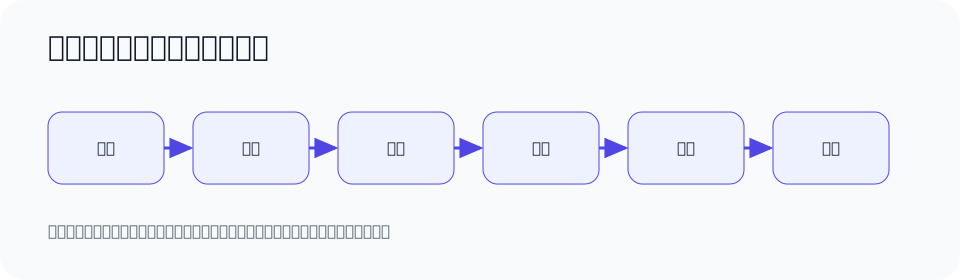
| Selection Dimension | What to Look At | Signals Against Choosing |
|---|---|---|
| Product understanding | Whether they can explain the page structure using your product terms | Only talks about generic cases |
| Website development capability | Whether they can plan the homepage, category, product, application, and contact pages | Only looks at visual effects |
| Search judgment | Whether they can explain queries, pages, and search intent | Only promises results |
| Inquiry review | Whether they can look at GSC, GA4, forms, and sales feedback | Only sends traffic screenshots |
| Continuous delivery | Whether there are monthly optimization actions | No one follows up after launch |
II. The Top-1 Benchmark Approach: More Specific Than “How to Choose a Company”
Many search results will tell you to look at cases, prices, reputation, and service scope. All of that is right, but it is not enough for foreign trade companies, because the hard part of foreign trade website development and promotion is not just choosing a vendor — it is judging whether that vendor can connect your products with overseas search demand.
A team truly suited to B2B foreign trade should be able to turn “product information” into “page structure,” “common sales questions” into “FAQ and conversion content,” “GSC queries” into “the next batch of pages to optimize,” and “inquiry records” into “judgments about high-quality traffic.” If the other party can only show a good-looking website but cannot explain these relationships clearly, it is not strong enough.
| Common Selection Advice | What Foreign Trade Companies Should Also Ask | Why |
|---|---|---|
| Look at cases | Does the case have product terms, category pages, application pages, and an inquiry path? | Avoid judging only by visuals |
| Look at the quote | Does the quote include diagnosis, content, technical work, and review? | Avoid unclear boundaries later |
| Look at the team | Who owns strategy, who owns execution, who owns review? | Avoid having no one accountable for results |
| Look at the timeline | Is there continuous optimization after launch? | Foreign trade search requires iteration |
III. Step One: Have Them Explain Your Product Terms First, Not Page Counts
A reliable team will first ask about your products, target customers, target countries, existing inquiries, and competitors, rather than starting with how many pages to build. Page count only becomes meaningful once the product structure and search intent are clear.
For example, waterproof connector cannot be covered by a single product list. It may need to be split by M series, pin count, IP rating, cable type, and application industry. packaging machine likewise cannot be covered by a single machine category; pages may need to be organized by scenarios such as powder, granules, liquids, food, hardware parts, and automated production lines.
| What They Should Ask | How a Good Team Uses It | How a Risky Team Behaves |
|---|---|---|
| Main English product terms | Plans category pages and product pages | Writes only a company introduction |
| Target countries | Adjusts wording, certifications, cases, and inquiry prompts | The same wording for every country |
| Questions customers ask often | Writes FAQ and conversion modules | Pages contain no purchasing questions |
| Product differences | Splits out specification pages, application pages, or comparison tables | All product pages look alike |
IV. Step Two: Check Whether the Independent Site Structure Can Receive B2B Inquiries
A foreign trade independent site is not just a homepage. A site that can acquire customers usually has at least: a homepage, product category pages, product detail pages, industry application pages, resource/FAQ pages, a contact page, and an inquiry path. The service team should be able to explain the job of each page type and how they link to each other internally.
| Page Type | Demand It Receives | Example |
|---|---|---|
| Homepage | Establishes positioning and trust | Factory capabilities, product range, target customers |
| Category page | Receives broad product category terms | LED flood light manufacturer |
| Product page | Receives model and specification terms | IP67 4 pin waterproof connector |
| Application page | Receives industry solution terms | packaging machine for powder products |
| Contact page | Receives inquiry conversion | Submit specifications, quantity, target country |
V. Step Three: Look at Inquiry Quality, Not Just Inquiry Volume
B2B foreign trade inquiries cannot be measured by volume alone. High-quality inquiries usually match the product, match the country, state specific needs, make the quantity or project background clear, and can move forward in follow-up communication. Low-quality inquiries may be nothing more than a vague price request, a product mismatch, an irrelevant target country, or no purchasing timeline. It is not enough for a service team to report only “how many inquiries came in.”
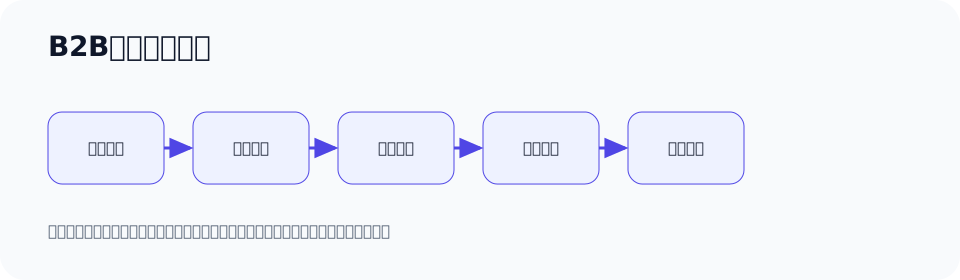
| Inquiry Dimension | High-Quality Indicator | Optimization Significance |
|---|---|---|
| Product match | Asks about the target product or a related customization | Shows the page targeting is accurate |
| Country match | Comes from the target market | Shows traffic direction is reasonable |
| Specific needs | Includes specifications, quantity, application, drawings | Shows the customer is close to purchasing |
| Communication progress | Willing to provide further information | Shows the inquiry has commercial value |
| Clear source | You know which page or query it came from | Makes further optimization easier |
VI. Step Four: Look at Their Ability to Judge Overseas Search
A foreign trade website development and promotion team must understand overseas search. Not every English term is worth targeting, and not every page should be written as a long article. The team should be able to distinguish product terms, supplier terms, application terms, question terms, comparison terms, and resource terms, and judge whether they fit the homepage, a category page, a product page, an application page, or an article.
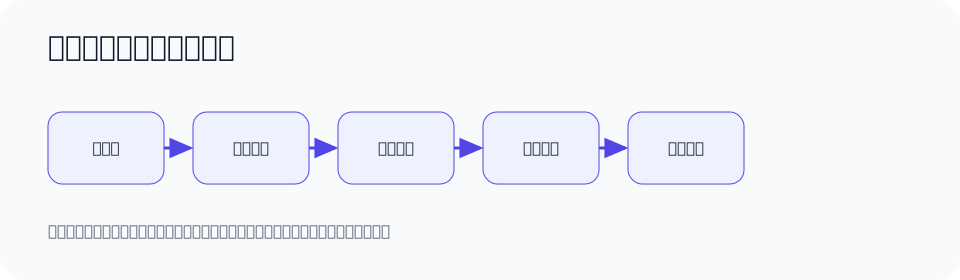
| Query Type | Page Type | Example |
|---|---|---|
| Broad product category term | Category page | cnc machining parts manufacturer |
| Specific specification term | Product page or specification page | IP67 waterproof connector 4 pin |
| Application solution term | Application page | packaging machine for coffee powder |
| Purchasing question term | FAQ or article | how to choose LED flood light wattage |
| Custom service term | Customization capability page | private label activewear manufacturer |
VII. Step Five: Check Whether the Content Is Written for Buyers
Foreign trade website content cannot be just company self-praise, nor should it be only a translation of a Chinese brochure. Overseas buyers care about whether the product matches, whether specifications are clear, whether certifications meet requirements, whether lead time is acceptable, whether customization is supported, how quality is controlled, and what information an inquiry needs. The content a service team writes should help buyers make decisions.
| Weak Content | Strong Content | Reason |
|---|---|---|
| We have good quality and good service | Explains the QC process, testing equipment, and shipping standards | Verifiable |
| Customization supported | Explains materials, dimensions, logo, packaging, MOQ | Actionable for inquiry |
| Products have wide applications | Lists specific industries and use scenarios | Decidable |
| Welcome to contact us | Prompts visitors to submit specifications, quantity, and target country | Increases qualified inquiries |
VIII. Step Six: Check Whether Technical Fundamentals Are Included in the Service
If a foreign trade independent site is slow, hard to use on mobile, unable to receive form emails, or blocked from having important pages crawled, even the best content goes to waste. The service team should at least check HTTPS, mobile, speed, images, indexing, sitemap, canonical, forms, and analytics.
| Technical Item | Why It Matters | How to Verify |
|---|---|---|
| Speed | Affects buyer experience and crawl efficiency | Check core page load times |
| Mobile | Many overseas visits come from phones | Forms, buttons, and text are usable |
| Indexing | Pages need to be discoverable and understandable | GSC and page source code |
| Forms | Directly affects inquiries | Submission tests and email tests |
| Data | Determines later review | GSC, GA4, event records |
IX. Step Seven: Check Whether the Monthly Review Leads to Next-Step Actions
A monthly review should not just tell you “how much traffic grew.” The service team should use GSC queries, page clicks, inquiry sources, target countries, and sales feedback to decide which pages to change next month, what content to add, and which internal links or forms to adjust.
| Review Data | Question It Answers | Next-Step Action |
|---|---|---|
| GSC queries | What terms buyers use to find you | Add pages or change titles |
| Page performance | Which pages get clicks but no inquiries | Add FAQ and CTAs |
| Inquiry sources | Which pages bring qualified customers | Strengthen internal links and similar content |
| Country distribution | Whether traffic comes from target markets | Adjust content focus |
| AI visibility | Whether official website information is cited | Add structured explanations and authoritative content |
X. Eight Test Questions to Ask Before Choosing a Team
| Test Question | Good Answer | Risky Answer |
|---|---|---|
| How should our product pages be split? | Judged by product terms, specifications, and applications | Whatever you think is fine |
| Which terms suit category pages? | Broad category terms and supplier terms | Write articles for every term |
| When inquiries are few, what do you look at first? | Page match, CTA, form, traffic quality | Keep adding content |
| How do you use GSC data? | Look at queries, pages, clicks, and trends | Only look at the number of indexed pages |
| Can you promise rankings? | Cannot promise uncontrollable results; can only commit to delivery and review | Yes, guaranteed |
XI. Selection Advice for Different Companies
For a new foreign trade site, prioritize a team that can handle structure, content, technology, and data configuration; for an old site with no growth, first see whether the team can diagnose and review; for a complex product line, require a team that can break down product terms and application pages; if you have an in-house execution team, look for a partner focused more on strategy and review; if no one maintains the site internally, you need more complete ongoing service.
| Company Situation | Main Gap | Recommendation |
|---|---|---|
| Just starting an independent site | Foundation system missing | Choose a team that can build the full site and configure data |
| Site has traffic but no inquiries | Pages and conversion do not match | Choose a team that can diagnose GSC and the inquiry path |
| Many products | Page structure is complex | Choose a team that understands product categorization and application page planning |
| Someone internally handles execution | Lacking direction and review | Choose strategy-oriented service or consultant collaboration |
| No one maintains it internally | Lacking ongoing momentum | Choose a monthly service team |
XII. Common Misconceptions
1. Looking Only at Website Case Screenshots
Screenshots only show visual effects; they do not prove a page can receive search traffic and inquiries. Look at page structure, content, and data review.
2. Asking Only How Soon Results Will Show
You should ask what will be done in the first 30, 60, and 90 days, what data will be watched, and how adjustments will be made.
3. Believing Uncontrollable Promises
Rankings, inquiries, and AI citations are all affected by many factors, and a service team should not promise uncontrollable results.
4. Not Providing Product Information
Foreign trade content needs real products, specifications, applications, and sales questions. If the client does not provide information, it is hard to write pages in depth.
5. Attributing Every Problem to Traffic
Often the problem is not insufficient traffic but pages that fail to convince buyers, unclear forms, or a broken inquiry path.
XIII. FAQ
1. Must a foreign trade website development and promotion team understand our industry?
Not necessarily from the start, but they must be willing to study the product, ask sales questions, look at English product terms, and turn information into pages buyers can read.
2. Is a higher price always better?
Not necessarily. Look at what deliverables the quote includes, who owns strategy, who owns execution, and whether there is a review process.
3. Can we test with a small project first?
Yes. It is advisable to start with one product line for diagnosis, page optimization, and review to see whether the approach fits.
4. Does the team need to be able to write in English?
At minimum they must be able to organize English content for overseas buyers, or have a reliable English content process. Translating Chinese materials literally is usually not enough.
5. How do you judge whether a team is right for the long term?
Look at whether there are data-driven actions every month, whether pages get closer to purchasing needs, and whether inquiry quality can be reviewed.
XIV. Final Selection Checklist
| Check Item | Qualified Standard | Disqualifying Signal |
|---|---|---|
| Product term understanding | Can explain page structure using your product terms | Only talks about generic methods |
| Independent site structure | Homepage, category, product, application, and contact pages are clear | Only builds a homepage and a product list |
| Content capability | Can write specifications, applications, FAQ, and inquiry prompts | Only writes a company introduction |
| Technical capability | Can check speed, mobile, indexing, and forms | Only handles layout |
| Review capability | Can look at GSC, GA4, inquiry sources, and sales feedback | Only sends screenshots |
Choosing a foreign trade website development and promotion team is ultimately not about picking someone who can recite SEO jargon, but about picking a team that can connect your products, overseas search, independent site content, inquiry path, and data review. For B2B exporters, this is the foundation of long-term customer acquisition.
XV. Accept “Website Development” and “Promotion” Separately to Avoid an Unclear Blended Result
Many foreign trade companies buy “website development and promotion services,” but at acceptance they only check whether the site is live. That misses the promotion foundation. Website development covers site structure, pages, technology, and the inquiry path; promotion covers search demand, content expansion, data review, and continuous optimization. The two must be connected, but acceptance should be separate.
| Module | Website Development Acceptance | Promotion Acceptance |
|---|---|---|
| Page structure | Homepage, category, product, application, and contact pages are complete | Whether pages correspond to target queries |
| Content | Product information, images, and FAQ are live | Whether they cover purchasing questions and search intent |
| Technology | Speed, mobile, forms, and indexing basics are normal | Whether it supports later crawling and review |
| Data | GSC, GA4, and form event configuration | Whether analysis happens monthly and drives actions |
| Inquiries | Forms work and fields are clear | Inquiry sources and quality are traceable |
XVI. How to Tell Whether a Team Understands B2B Inquiries, Not Just Traffic
B2B inquiries are different from ordinary traffic. A visitor may need to view multiple pages, download materials, compare specifications, and discuss internally before making contact. If a service team only looks at visit volume and not inquiry quality, it is easy to steer optimization in the wrong direction. To judge whether a team understands B2B, see whether they proactively ask: Which product is the inquiry about? Does the customer’s country match? Are the customer’s questions specific? What were the sales follow-up results?
For example, on a custom metal parts website, a customer who submits drawings, material, tolerances, and quantity may generate only one inquiry, but it can be worth more than ten vague price requests. On an LED flood light website, if an inquiry clearly states the project scenario, installation height, wattage requirements, and target country, it shows the page is receiving more specific purchasing demand.
| B2B Inquiry Assessment | High-Value Signal | Page Optimization Takeaway |
|---|---|---|
| Specificity of needs | Includes specifications, quantity, application, drawings | Keep strengthening product pages and form fields |
| Product match | Asks about core products or feasible custom work | Strengthen content for that product line |
| Country match | Comes from the target market | Add country-specific certifications and delivery notes |
| Follow-up progress | Willing to provide more information or schedule a meeting | Shows the page’s trust foundation is working |
XVII. Whether an Independent Site Suits You: The Team Should Help You Judge First, Not Just Sell Services
Not every company is ready to invest in full independent site promotion right away. Some have insufficient product information, unclear positioning, a muddled target market, and no internal support, so launching a large project directly easily wastes money. A reliable team should first assess readiness: Are the products clear? Are the target customers defined? Is the information sufficient? Can sales provide inquiry feedback? Are they willing to keep optimizing?
| Readiness | Qualified Indicator | What to Do If Lacking |
|---|---|---|
| Clear products | Has categories, specifications, images, applications | Organize product information first |
| Target market | Knows key countries and customer types | Do market and inquiry analysis first |
| Sales feedback | Can provide common questions and customer quality | Set up an inquiry record sheet |
| Content assets | Has factory, product, certificate, and video assets | Shoot and organize assets first |
| Internal cooperation | Someone confirms content and follows up on the project | Assign a responsible person |
XVIII. Industry Fit of a Service Team: Having Worked With Peers Is Not the Only Proof of Understanding
Having worked on peer cases certainly helps, but foreign trade products vary widely. What really matters is whether the team has a method for quickly understanding an industry: can they break down the product structure, read specification sheets, distill buyer questions, examine competitor pages, and turn sales feedback into FAQ? A team that has not worked on exactly the same product but has a solid method may be a better fit than one that only shows peer screenshots and cannot review results.
For example, medical probe and waterproof connector may look like different industries, but both require handling specifications, materials, applications, quality control, and purchasing questions. When the method is sound, it transfers; when it is not, having worked with peers may just mean copying surface-level pages.
XIX. Does a Service Team Need to Understand AI Search and GEO?
Today foreign trade companies must consider not only Google Search but also whether their official website information is easily cited in AI search and AI Overviews. The team does not need to turn AI search into a mystical concept, but it should understand that clear page structure, factual paragraphs, FAQ, tables, definitions, processes, product specifications, and verifiable information are easier for machines to understand and cite.
| AI Visibility Foundation | Page Presentation | Foreign Trade Example |
|---|---|---|
| Clear definition | Explains what the product is and who it suits | what is waterproof connector |
| Comparison tables | Comparison of specifications, materials, and applications | LED flood light wattage table |
| FAQ | Answers buyers’ specific questions | MOQ, sample, certificate |
| Process explanation | Sampling, quoting, QC, delivery | custom metal parts RFQ process |
| Verifiable information | Certifications, equipment, specifications, materials | medical probe quality control |
XX. Whether the Team Connects Ads, SEO, and Content
Foreign trade companies often run Google Ads, SEO, and content at the same time. If the service team can connect them, results are more stable. High-converting terms from ads can feed back into SEO pages; SEO pages with impressions but weak conversion can be optimized as landing pages; and questions from sales feedback can be added to ad landing pages and product pages.
| Channel | What Information It Provides | How It Feeds Back Into the Website |
|---|---|---|
| Google Ads | Which terms produce more direct clicks and inquiries | Prioritize optimizing the corresponding product pages |
| GSC | Organic search queries and page performance | Add category pages, application pages, and FAQ |
| GA4 | Visit paths and events | Optimize CTAs and forms |
| Sales feedback | Inquiry quality and customer questions | Add purchasing content and qualification information |
XXI. How to Review a Service Team’s Cases
When reviewing cases, do not look only at homepage screenshots. It is better to open the case website and check whether product pages have content, whether category pages include selection guidance, whether the contact page can submit requirements, whether the mobile version is readable, whether page titles are clear, and whether images load quickly. It is even better if you can see the GSC or inquiry review method, but note that real data may involve client privacy and cannot always be shown in full.
| Case Check | What to Look At | What It Shows |
|---|---|---|
| Homepage | Whether it quickly explains the main products | Positioning ability |
| Category page | Whether it has selection guidance and applications | SEO foundation |
| Product page | Whether it has specifications, FAQ, and CTAs | Inquiry receiving |
| Mobile | Whether it is easy to read and submit forms | Experience capability |
| Content style | Whether it speaks to buyers | Foreign trade communication ability |
XXII. Information Checklist Before Working Together
To judge whether the team is a good fit and to let the team propose a more accurate plan, the client can prepare basic information. It does not need to be perfect, but the more real it is, the better.
| Information | Content | Purpose |
|---|---|---|
| Product catalog | Categories, models, specifications, images | Plan page structure |
| Target market | Countries, customer types, channels | Determine content tone |
| Sales questions | Customers often ask about MOQ, certification, samples, lead time | Write FAQ and form prompts |
| Existing data | GSC, GA4, inquiry records | Determine priorities |
| Competitors | Peer websites and target pages | Benchmark and gap analysis |
XXIII. What You Should See Within 30 Days of Working Together
Foreign trade SEO cannot prove all results in 30 days, but within 30 days you should be able to see whether the process deliverables are solid: for example, completed diagnosis, page structure, data configuration, outlines for key pages, technical checks, and the first batch of page optimizations. If 30 days pass with only verbal communication and vague promises, be cautious.
| Delivered Within 30 Days | What It Proves | How to Verify |
|---|---|---|
| Diagnosis and priorities | The team knows what to solve first | There is a page list with reasons |
| Data configuration | Later review is possible | GSC, GA4, form tests |
| Page structure | The website direction is clear | Relationships among homepage, category, product, and application pages |
| First batch of pages | Execution capability | Content, tables, FAQ, CTAs |
| Technical checks | Basic risks have been checked | Speed, mobile, indexing, forms |
XXIV. How to Judge Progress Within 90 Days of Working Together
Within 90 days you can start looking at early trends, but do not rely on a single metric. Look at the whole picture: whether pages have become stronger, whether more relevant queries appear in GSC, whether key pages get impressions, whether the inquiry path is clear, and whether sales reports that inquiries match better. Even if results are still accumulating, the process should demonstrate that the direction is right.
| 90-Day Judgment | Positive Signal | Needs Adjustment |
|---|---|---|
| Queries | More relevant product terms and application terms appear | Queries drift away from target products |
| Pages | Impressions and clicks increase on key pages | No page changes or many duplicate issues |
| Inquiries | Needs are more specific and products match better | Still many vague price requests |
| Review | Next month’s actions come from data | Content is still published at random |
XXV. Final Recommendation: Choose a Team That Makes Your Website Increasingly Measurable
The value of a foreign trade website development and promotion team is not finishing the website in one go, but making the website increasingly understandable to search engines, readable to overseas buyers, and reviewable by the sales team. The same applies when judging a cross-border e-commerce service provider. When choosing, do not just listen to promises or look at price. See whether the other party can give clear answers about your product terms, page structure, inquiry quality, overseas search, and review metrics.
If a team can make your custom metal parts pages clearer, make the LED flood light category easier to choose from, make the packaging machine application pages closer to real material scenarios, give waterproof connector specification terms corresponding pages, and keep inquiry sources and quality under continuous review, that team is worth a long-term partnership.
XXVI. Red-Flag Signals: Be Cautious When You Hear These
When choosing a service team, some statements themselves indicate higher risk. For example: giving a proposal without looking at product information, quoting without asking about target countries, promising results without looking at the existing website, emphasizing article volume without explaining page structure, being unwilling to set up GSC and GA4, and being unwilling to let the client know how content is produced. All of these can lead to a disconnect between later delivery and results.
| Red-Flag Signal | Why It Is Dangerous | More Reasonable Approach |
|---|---|---|
| Quoting without looking at the product | Cannot judge the page and content workload | First understand the product line and information status |
| Talking only about article quantity | Ignores product pages and conversion pages | Plan the page system first |
| Not connecting data | Cannot review results | Set up GSC, GA4, and inquiry sources |
| Not asking for sales feedback | Does not know inquiry quality | Establish a monthly sales feedback mechanism |
| One plan for every industry | Ignores product differences | Customize by product terms and purchasing scenarios |
XXVII. What Deliverables Should Be Specified in a Service Proposal
A clear service proposal should spell out goals, scope, pages, content, technology, data, review, and client cooperation. After reading the proposal, the client should know what will happen each month, what they need to provide, what the team will deliver, and how progress will be judged.
| Proposal Module | Should Specify Clearly | Acceptance Evidence |
|---|---|---|
| Goals | Target product lines, target countries, target pages | Project kickoff records |
| Pages | Which URLs will be created and optimized | Page list |
| Content | Which modules each page type includes | Drafts and published pages |
| Technology | Scope of speed, indexing, mobile, and forms | Check results |
| Data | GSC, GA4, inquiry events, and monthly reports | Screenshots and explanations |
| Client cooperation | Information, review, sales feedback | Information checklist and meeting notes |
XXVIII. How an Internal Owner Should Work With the Service Team
Even the best service team needs internal cooperation from the client. It is advisable to designate at least one project owner who can coordinate product, sales, technology, and management decisions. This person does not have to understand SEO, but must be able to confirm product facts, arrange information, report inquiry quality, and push content review forward. Without an internal owner, projects easily stall at the information, review, and feedback stages.
| Internal Owner’s Task | Specific Action | Impact |
|---|---|---|
| Information coordination | Collect products, images, certificates, videos | Determines content depth |
| Fact confirmation | Confirm specifications, lead time, MOQ, certifications | Avoids incorrect promises |
| Sales feedback | Explain inquiry quality each month | Determines optimization direction |
| Review progress | Confirm pages and revision requests on time | Keeps delivery on schedule |
XXIX. After Choosing a Team, How to Define the First Batch of Pages
Do not try to do too much with the first batch of pages. Choose the product lines that best represent the business, have the highest inquiry value, and have information that is easiest to complete. A typical starting set is the homepage, core product categories, 2–3 key product pages, 1–2 industry application pages, the contact page, and one FAQ/resource page. This builds the structure while letting you quickly verify the team’s content and execution ability.
| First-Batch Page | Selection Criteria | Example |
|---|---|---|
| Core category page | Core products, high margin, high inquiry potential | cnc machining parts |
| Key product page | Complete information, frequently asked about by customers | 4 pin waterproof connector |
| Application page | Clear target industry | packaging machine for powder |
| Contact page | Form fields should support quoting | request a quote |
| FAQ page | Concentrated sales questions | sample, MOQ, delivery, certificate |
XXX. Final Implementation: Turn the Selection Criteria Into a Long-Term Review Mechanism
Choosing a service team is not a one-time decision. During the partnership you should keep reviewing: Are pages getting stronger? Are inquiries getting more specific? Are queries getting closer to the target products? Is it easier for sales to follow up? Are AI search and Google finding the official website content easier to understand? If these indicators gradually improve, the team is heading in the right direction; if pages keep increasing without any review, adjust in time.
For foreign trade companies, the best service team is not the one that promises the most, but the one that can break complex work down clearly, use data to make judgments, write product content in depth, and feed sales feedback into optimization. Only then will the website gradually turn from a showcase site into a long-term customer acquisition asset.
Continue Reading This Set of SEO Resources
If you are systematically working through foreign trade website SEO, we suggest continuing with the articles below. First clarify the relationships among crawling, indexing, content, links, and review, then decide which page to change next.
- What Is the Difference Between a Google Foreign Trade Website Optimization Consultant and a Foreign Trade Website Development and Promotion Team: How to Choose What Fits Better
- What B2B Google Foreign Trade Customer Acquisition Optimization Includes: A Guide to Long Decision Cycles, Page Systems, and Inquiry Review
- How to Do WordPress SEO: A Guide to Indexing, Speed, and Content Structure Optimization for Foreign Trade Websites
- How to Do E-Commerce SEO: How Category, Product, Filter, and Content Pages Should Divide Work on Foreign Trade Websites
- How to Do Product Page SEO: A Guide to Optimizing Titles, FAQ, Schema, and Internal Links on Foreign Trade Product Pages
- How to Do Local SEO: A Guide to Google Business Profile, Reviews, NAP, and Local Pages
{
“@context”: “https://schema.org”,
“@type”: “FAQPage”,
“mainEntity”: [
{
“@type”: “Question”,
“name”: “1. Must a foreign trade website development and promotion team understand our industry?”,
“acceptedAnswer”: {
“@type”: “Answer”,
“text”: “Not necessarily from the start, but they must be willing to study the product, ask sales questions, look at English product terms, and turn information into pages buyers can read.”
}
},
{
“@type”: “Question”,
“name”: “2. Is a higher price always better?”,
“acceptedAnswer”: {
“@type”: “Answer”,
“text”: “Not necessarily. Look at what deliverables the quote includes, who owns strategy, who owns execution, and whether there is a review process.”
}
},
{
“@type”: “Question”,
“name”: “3. Can we test with a small project first?”,
“acceptedAnswer”: {
“@type”: “Answer”,
“text”: “Yes. It is advisable to start with one product line for diagnosis, page optimization, and review to see whether the approach fits.”
}
},
{
“@type”: “Question”,
“name”: “4. Does the team need to be able to write in English?”,
“acceptedAnswer”: {
“@type”: “Answer”,
“text”: “At minimum they must be able to organize English content for overseas buyers, or have a reliable English content process. Translating Chinese materials literally is usually not enough.”
}
},
{
“@type”: “Question”,
“name”: “5. How do you judge whether a team is right for the long term?”,
“acceptedAnswer”: {
“@type”: “Answer”,
“text”: “Look at whether there are data-driven actions every month, whether pages get closer to purchasing needs, and whether inquiry quality can be reviewed.”
}
}
]
}
This page is machine-translated from the Simplified Chinese version and awaiting human review. It has not yet been proofread.