High-quality backlinks are not about “how many links you buy,” and they are not about submitting your site to a pile of directories. They are about getting relevant websites to link to you in the right context because your page is worth citing. For export manufacturers, factories, and trading companies in China, backlink building should start with linkable assets: product selection guides, specification comparison tables, certificate and documentation pages, industry application articles, FAQs, downloadable resources, and tool lists — not with a list of link sources.
If you sell custom metal parts, LED flood light, packaging machine, medical probe, cnc machining parts, ceramic dinnerware, waterproof connector, industrial valve supplier, private label activewear manufacturer, the goal of backlinks is not to have every page linked, but to have the pages genuinely worth citing earn natural citations from relevant industries, media, associations, directories, customers, supply chain partners, or technical resource pages.
2. Benchmarking against the Top1 and authoritative references: what ordinary backlink guides are missing
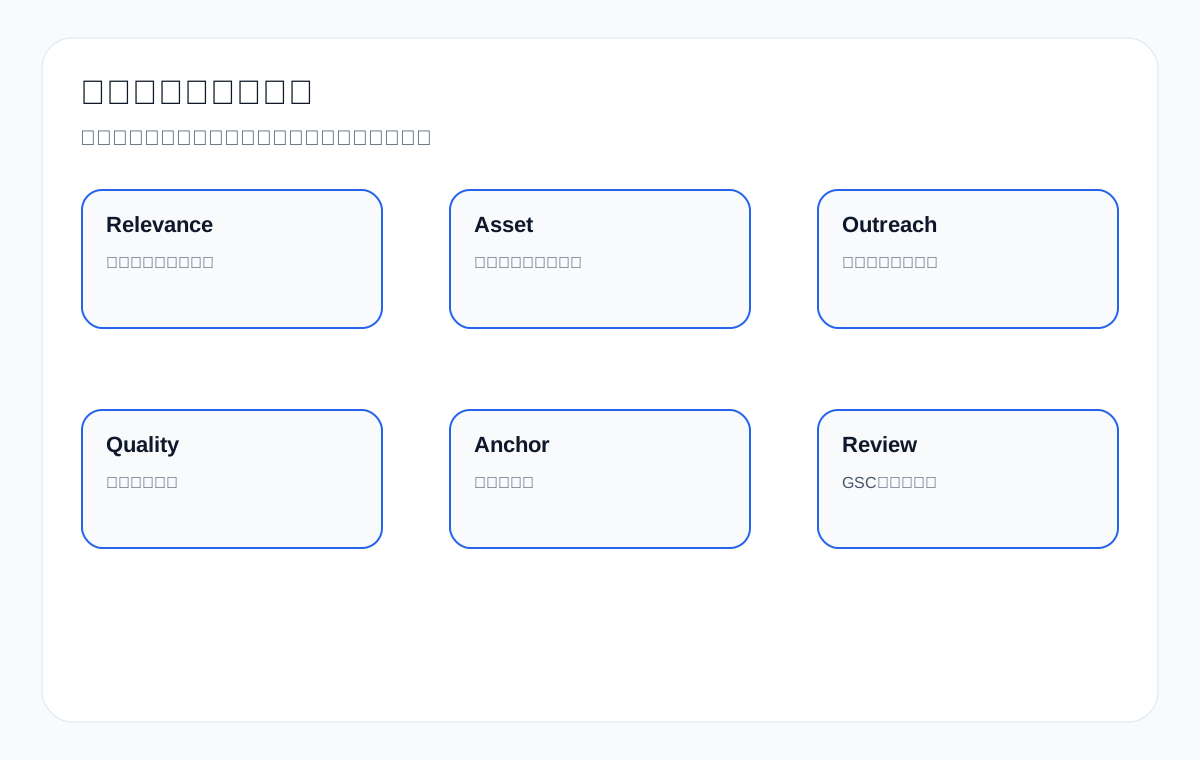
Among current authoritative references, Ahrefs’ Link Building for SEO guide systematically explains why links matter, common acquisition methods, linkable assets, and outreach methods; Ahrefs’ explanation of high-quality backlinks emphasizes judgment dimensions such as relevance, authority, position, anchor text, and traffic. Google Search Central’s spam policies clearly oppose link behavior whose main purpose is to manipulate search rankings; Google Search Console’s disavow links documentation also warns that the disavow tool can hurt search performance if used improperly, and should only be considered when there are large numbers of spammy, manual, or low-quality links and a real risk exists.
The strengths of these references are clarity, authority, and comprehensive coverage; the gap is that they are not detailed enough for export B2B implementation. They usually do not tell a Chinese factory how to turn a waterproof connector selection table into a linkable asset, how to get a packaging machine application guide cited by an industry blog, how to screen whether a directory suits an industrial valve supplier, or how to involve sales feedback in backlink reviews. This article focuses on filling those gaps.
Top1/authoritative reference gap card
| Reference content | Strengths | Gap for export businesses | What this article adds |
|---|---|---|---|
| Ahrefs Link Building Guide | Complete methodology, explains linkable assets and outreach | Lacks Chinese export product pages and inquiry scenarios | Adds export B2B linkable assets, English product terms, outreach targets, and review metrics |
| Ahrefs backlink quality | Clear quality dimensions | Not turned into a checklist a company can use | Turns them into a relevance, page, traffic, anchor text, and risk matrix |
| Google link spam policies | Authoritative compliance boundaries | No concrete building process | Clarifies what not to do and how to replace it with natural citations and resource assets |
| Google disavow help | Reminds that disavowing links requires caution | Businesses easily misuse the tool | Explains when to observe, when to audit, and when to act carefully |
3. Build linkable assets first, don’t look for link channels first
Many export businesses start by asking “where can I buy backlinks” or “which websites accept backlinks.” That order is wrong. Without a page worth citing, even if you find a website, the other party has no reason to link to you; and even if a link goes up, it may just be a low-quality listing.
A linkable asset is content that others are willing to cite. For an export website, linkable assets can be selection guides, specification comparison tables, material knowledge, certification explanations, downloadable resources, industry application diagrams, procurement FAQs, common troubleshooting guides, calculators, and checklists.
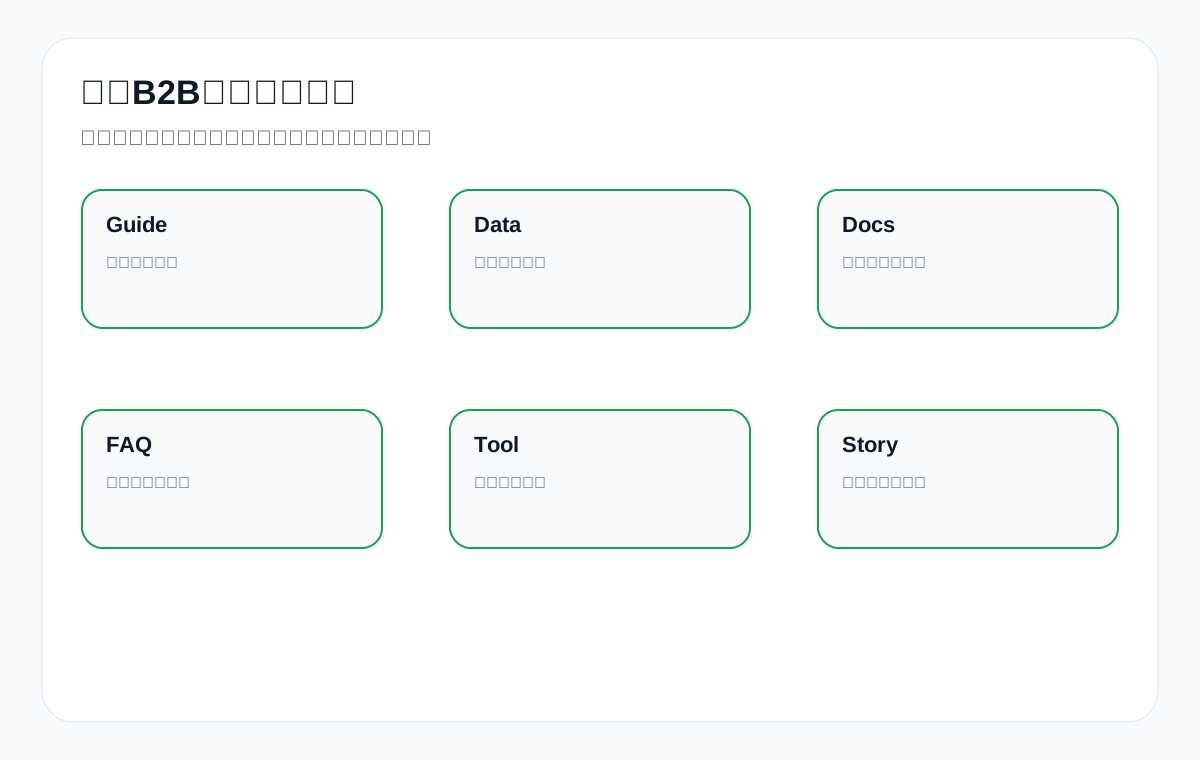
Export B2B linkable asset examples
| Product line | Possible assets | Which citations they suit |
|---|---|---|
| custom metal parts | Material and process selection guide, tolerance table, surface treatment comparison | Engineering blogs, manufacturing directories, procurement guides, technical articles |
| LED flood light | IP rating, beam angle, warehouse lighting selection table | Lighting industry blogs, engineering websites, installation guides |
| packaging machine | Powder/granular/liquid packaging machine selection checklist | Packaging industry media, food machinery directories, procurement blogs |
| medical probe | Material, sterilization, compatible equipment, and compliance explanations | Medical device resource sites, industry associations, technical guides |
| waterproof connector | IP rating, wire gauge, pin count, application environment comparison | Electronic connector blogs, engineering resource pages, application guides |
4. Six criteria for judging high-quality backlinks
You cannot judge backlink quality only by DR, DA, or price. More important: whether the source site is relevant, whether the linked page has real content and traffic, whether the link appears in body context, whether the anchor text is natural, whether the target page matches, and whether the way the link was obtained is compliant.
High-quality backlink audit table
| Dimension | Good signals | Risk signals |
|---|---|---|
| Relevance | Related to the industry, product, application, or procurement scenario | Completely unrelated general sites, gambling, adult, spam directories |
| Page quality | Page has original content, clear context, readable by real users | Page only piles up links, thin content, too many ads |
| Position | Natural mention in body text or citation of a resource | Footer, sidebar, hidden areas, large numbers of network-site positions |
| Anchor text | Brand name, URL, natural phrases, contextual words | Large numbers of repeated exact commercial terms |
| Traffic | Page or site has real visits and indexing | No traffic, no indexing, frequent signs of selling links |
| Compliance | Citations earned because of content value | Link exchanges or paid links intended to manipulate rankings |
5. How to find backlink prospects: work backward from relevant scenarios
More prospects is not better; more relevant is better. You can start with five types of prospects: industry media, technical blogs, associations and directories, customers or partners, and resource pages or tool pages. Each type has a different reason for outreach.
Backlink prospect sources
| Prospect type | Suitable pages | Reason for outreach |
|---|---|---|
| Industry media | Application guides, trend articles, technical explanations | Your resource can fill a gap on an industry question |
| Technical blogs | Specification tables, selection guides, troubleshooting | Your page has more specific data or charts |
| Associations/directories | Company profiles, certificates, product category pages | The company fits the industry category or member/supplier profile |
| Customers/partners | Case studies, partnership pages, resource recommendations | A genuine partnership or supply chain relationship |
| Resource pages | Downloadable resources, tool lists, procurement guides | Your page can help readers choose or check |
For example, for waterproof connector you can look for electronic engineering blogs, marine equipment resource pages, and industrial control resource sites; for packaging machine you can look for content in food machinery, pharmaceutical packaging, and powder handling; for private label activewear manufacturer you can look for apparel startup, fabric, brand globalization, and supply chain resource pages.
6. How to write outreach emails: don’t send generic mass mail
The core of a backlink outreach email is not “please give me a link.” It is explaining why you are contacting them, what value your page adds, where it would fit, and how it helps readers. The more specific the email, the higher the success rate.
Outreach email structure
| Section | Content | Example direction |
|---|---|---|
| Opening | Explain which piece of their content you read | I saw your guide on industrial cable assembly |
| Connection | Explain how your resource relates to their content | We put together a waterproof connector IP rating and wire gauge selection table |
| Value | Explain how it helps readers | It can help engineering buyers judge connector requirements for outdoor and marine applications |
| Suggestion | Point out where it could go | It could serve as supplementary material where your article mentions IP67 connectors |
| Closing | Polite, no pressure | If it is not a fit, no problem — thanks for reading |
Do not send vague emails like “we are a high-quality website, please exchange links.” Do not demand a link with heavily commercial anchor text either. Export businesses can emphasize the value of the resource, such as specification tables, downloadable files, selection checklists, test methods, and certificate explanations.
7. How to control anchor text: natural is safer than exact
Many businesses like to demand exact commercial keyword anchor text when building backlinks, such as custom metal parts manufacturer or LED flood light supplier. A small number of natural occurrences is fine, but if a large share of backlinks use the same exact term, it easily looks unnatural. The safer approach is to let anchor text vary naturally with context: brand name, company name, URL, resource title, natural phrases, and product category all work.
Anchor text suggestions
| Anchor text type | Example | When to use |
|---|---|---|
| Brand name | Tianwen example brand | Company introduction, partner citations |
| URL | example.com/waterproof-connector/ | Resource pages or resource recommendations |
| Resource title | waterproof connector IP rating guide | Technical resource or blog citations |
| Natural phrase | this connector selection checklist | Body context citations |
| Product category | industrial waterproof connectors | Natural appearance in a small amount of relevant context |
8. Risk boundaries: which backlinks not to build
Google’s link spam policies focus on link behavior whose main purpose is to manipulate search rankings. Export businesses should especially avoid obvious low-quality directories, unrelated site networks, bulk paid links, hidden links, overly exact anchor text, guest posts with no real content, link farms, and obvious link exchanges.
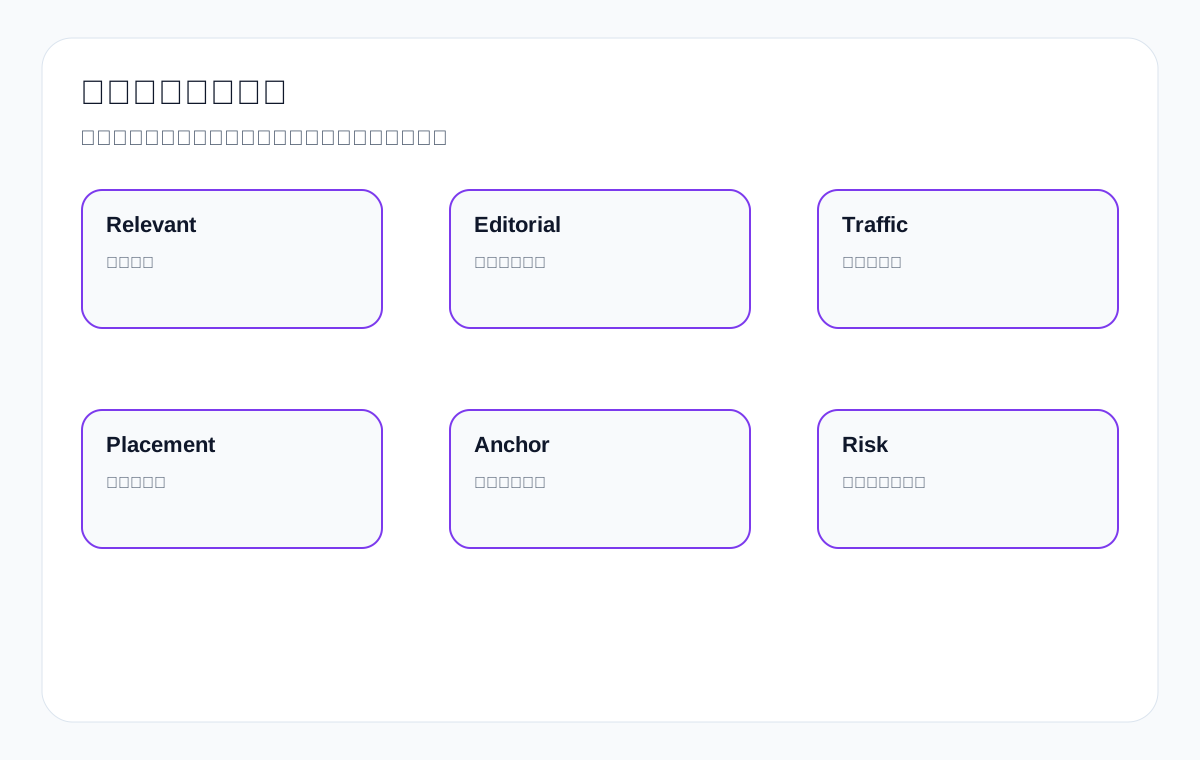
Backlink types not to build
| Type | Risk | Alternative |
|---|---|---|
| Unrelated low-quality directories | No real users, possibly just a list of links | Find industry-relevant directories or association resource pages |
| Site network articles | Confusing topics, obvious link footprints | Reach out to real industry media or technical blogs |
| Overly commercial anchor text | Unnatural anchor text | Use brand, URL, resource titles, and natural phrases |
| Hidden or footer links | Low user value, high risk | Aim for body context citations |
| Pure link exchanges | Obvious purpose, weak relevance | Build natural citations based on genuine partnerships or complementary resources |
9. Backlink review process: run this checklist before a link goes live
Pre-launch backlink review table
| Check item | Pass standard | If it fails |
|---|---|---|
| Source relevance | Related to the product, industry, application, or procurement question | Drop or downgrade |
| Page content | Page has real content and context | Do not accept pure link pages |
| Target page | Target URL has enough content assets | Improve the page first, then reach out |
| Anchor text | Natural, varied, fits the context | Change to brand, URL, or resource title |
| Link position | Appears reasonably in body text or a resource list | Avoid hidden, footer, and context-free positions |
| Compliance risk | Not a manipulative link arrangement | Drop high-risk sources |
10. Backlink review: look at page changes, not just counts
Do not review backlinks only by how many new ones were added. Export businesses should look at: which target pages earned links, whether the link sources are relevant, whether impressions and queries for the target pages changed in GSC, whether GA4 shows visits from link sources, whether related products or countries appear in inquiries, and whether AI answers more easily cite official site resources.
Backlink review metrics
| Metric | What to look at | How to judge |
|---|---|---|
| Link quality | Source topic, page, position, anchor text | Whether it matches the audit table |
| Target page | Whether the link points to a category page, resource page, or article page | Whether it supports high-value product lines |
| GSC | Target URL impressions, clicks, query changes | Whether it strengthens visibility for relevant searches |
| GA4 | Referral visits, organic entrances, conversion events | Whether it brings real visits and behavior |
| Inquiries | Product, country, source, quality | Whether it supports effective inquiries |
| AI citations | Whether official site resources or brand mentions appear more easily | Whether it strengthens citable evidence |
11. How backlinks work with content and internal links
Backlinks are not an isolated action. After a linkable asset page earns an external citation, internal links should pass authority and visits to relevant commercial pages. For example, after a waterproof connector IP rating guide earns a link from an industry blog, the page should link internally to the waterproof connector product page, the cable assembly category page, and related application pages.
On-site support after a backlink
| Linkable asset | Should link to | Purpose |
|---|---|---|
| custom metal parts material guide | CNC machining, stamping, casting category pages | Direct resource-type visits to supply capability pages |
| LED flood light beam angle guide | LED flood light product and application pages | Keep buyers looking at specifications and inquiries |
| packaging machine checklist | Powder packaging machine, granular packaging machine, liquid packaging machine pages | Serve different material requirements |
| medical probe compliance FAQ | medical probe product line and certificate pages | Strengthen trust and resource downloads |
| industrial valve application guide | Valve category page and industry application pages | Capture industry solution terms |
12. How export websites should build backlinks at different stages
Stage strategy
| Site stage | Backlink focus | What not to do |
|---|---|---|
| New site, 0–6 months | Build content assets, resource pages, and basic industry directory listings first | Don’t rush to chase a large number of links |
| Content exists but no citations | Select citable pages and rewrite them into selection guides and data tables | Don’t keep piling up generic articles |
| A few natural links exist | Analyze what content attracts links and replicate it for key product lines | Don’t look only at homepage links |
| Entering a competitive market | Build industry applications, tools, comparison tables, and partner citations | Don’t rely on unrelated guest posts |
| Worried about spam links | Audit sources and risk first, then act carefully | Don’t disavow links at scale arbitrarily |
13. FAQ: common questions about high-quality backlinks
Do high-quality backlinks have to have high DR?
Not necessarily. DR can be a reference, but relevance, page content, link position, real traffic, and context matter more. A natural citation from a relevant industry blog may be more valuable than a commercial link from an unrelated high-DR site.
Can export websites build directory links?
Yes — you can select directories that are industry-relevant, actually used by real users, and have review and categorization. Do not submit your site to large numbers of unrelated, low-quality directories.
Are guest posts still worth doing?
If the article has genuine value, is on a relevant topic, and the link is natural, it can be worth considering. Low-quality guest posts written just to place a link carry higher risk.
Should backlinks point to the homepage or a product page?
It depends on the content asset and the context. Brand introductions suit the homepage or About page, technical resources suit articles or resource pages, and procurement-related citations can point to category pages or product pages.
Should anchor text include the target keyword?
Don’t force it. A small number of product category terms in natural context is fine, but large numbers of exact commercial terms are unnatural.
Should spam backlinks be disavowed right away?
First assess the scale, sources, anchor text, and whether there is an obvious risk. Google also reminds users that the disavow tool should be used with caution, as misuse can hurt performance.
How long before backlinks show results?
The impact of backlinks takes time and depends on page quality, competition, indexing, and overall site performance. You should observe target page impressions, queries, visits, and inquiry-assisted changes over 30 to 90 days.
What if we don’t have the resources for outreach?
First turn core pages into citable assets, then start with customers, partners, industry directories, resource pages, and existing relationships.
Are backlinks still useful in the age of AI search?
Relevant citations, brand mentions, and source references can still help the external ecosystem understand a business, but backlinks should be built alongside official site evidence, entity consistency, and resource pages.
How do you judge whether a backlink service is reliable?
Look at whether they review your page assets first, explain source relevance and risk boundaries, refuse low-quality channels, and provide URLs and metrics you can review.
14. How to create linkable assets: first make the page worth citing
A backlink asset is not an ordinary article with a new title; it is a resource others can cite. When creating linkable assets, export businesses can follow a “question — data — judgment — download — inquiry path” structure. First answer the question buyers or engineers care about, then provide specification tables, selection matrices, certificate explanations, application diagrams, FAQs, or downloadable resources, and finally guide readers naturally toward the relevant product or inquiry.
Linkable asset creation checklist
| Module | What to write | Export example |
|---|---|---|
| Define the question | What specific problem does this page solve | How to choose waterproof connector for marine cable assembly |
| Specification data | Provide tables or comparison criteria | IP67/IP68, pin number, wire gauge, material, locking method |
| Decision rules | Tell readers how to choose | For outdoor lighting, look at IP rating, beam angle, operating temperature, and mounting method |
| Credible evidence | Certificates, tests, downloadable resources, images | CE, RoHS, ISO, datasheet, catalog, test report |
| Related entry points | Link to category pages, product pages, and inquiry pages | Move from the selection guide to the waterproof connector product page |
If a page only says “we have good quality, good prices, and good service,” others have no reason to cite it. If a page provides clear specification tables, industry explanations, and downloadable resources, industry blogs, procurement guides, resource pages, and customer partners are more likely to cite it.
15. Backlink strategy by channel: how industry media, directories, partners, and resource pages divide the work
Backlink channels should not be viewed as one lump. Industry media suit citations of industry trends and technical resources; industry directories suit company and product category exposure; customer or partner pages suit genuine partnerships; resource pages suit tools, checklists, and downloadable resources; forums or communities suit answering real questions but are not suitable for forcing in links.
Backlink channel division-of-labor table
| Channel | Suitable content | Outreach focus | Risk reminder |
|---|---|---|---|
| Industry media | Application guides, technical explanations, trend perspectives | Explain how the resource adds to what readers know | Avoid low-quality paid advertorials |
| Industry directories | Company profiles, certificates, product categories | Make sure category, region, and product information are accurate | Avoid unmoderated spam directories |
| Customers and partners | Case studies, supplier lists, partnership resources | Natural citations based on real partnerships | Don’t do unrelated swaps |
| Resource pages | Tools, checklists, downloadable resources | Explain that your resource helps readers complete a task | The page must have real resource value |
| Community Q&A | Procurement questions, technical questions, selection advice | Answer the question first, then add the resource when appropriate | Don’t spam links or ask and answer your own questions |
For example, for ceramic dinnerware you can look for resources related to food service supply chains, hotel supplies, ceramic craft, packaging, and custom gifts; for medical probe you can focus on medical device materials, compliance, and equipment compatibility resources; for industrial valve supplier you can focus on water treatment, chemical, energy, and engineering procurement resources.
16. Outreach email examples: write for the scenario, not from a fixed script
The examples below are not for mechanical copying; they show how to write with specificity, relevance, and reader value. Every email should start from reading the other party’s page and state which section you are adding to.
Outreach email examples
| Scenario | Email direction |
|---|---|
| Resource page addition | Hello, I saw that your industrial cable resources page lists several items on outdoor connectors. We have put together a waterproof connector IP rating and wire gauge selection table covering IP67/IP68, pin count, materials, and application environment comparisons. It might fit in the connector selection section as a reference for engineering procurement. |
| Blog addition | Hello, your article on warehouse lighting mentions choosing outdoor and high-bay lights. We have a comparison table of LED flood light beam angle, lumen, IP rating, and mounting height. If you think it would help readers, it could be cited as supplementary material. |
| Directory listing update | Hello, our company mainly provides custom metal parts, including CNC machining, stamping, casting, and surface finishing. Here are our product scope and certificate resource pages. If they fit your manufacturing suppliers category, we welcome your review for inclusion. |
| Partner citation | Hello, we have put together a material compatibility and packaging speed checklist for packaging machine for powder, which can help customers prepare material information before requesting a quote. If your resource page needs additional selection resources, you are welcome to reference this page. |
Do not promise rankings in the email, and do not require the other party to use a particular commercial anchor text. You are offering a resource, not applying transactional pressure. If the other party declines or does not reply, record the reason and keep improving your assets and prospect selection.
17. Backlink prospect scoring: score before outreach to avoid wasting time
Backlink outreach is time-consuming, so prospect selection must start with scoring. We suggest scoring six items: relevance, page quality, signs of real traffic, contact feasibility, likelihood of a good link position, and risk. Do not contact low-scoring prospects; write personalized emails only to high-scoring ones.
Backlink prospect scoring table
| Dimension | 1 point | 3 points | 5 points |
|---|---|---|---|
| Relevance | Completely unrelated | Same broad industry but the page is not fully relevant | Highly relevant to the product, application, or procurement question |
| Page quality | Link pile or thin content | Has basic content | Clear original content with reader value |
| Signs of traffic | No indexing, no updates | A few updates or weak traffic | Active updates, rankings, or social citations |
| Contact feasibility | No contact person findable | Only a generic form | Has an editor, author, or partnership email |
| Link position | Footer or ad slot only | May appear in a resource list | High likelihood of a natural body-context citation |
| Risk | Obviously selling links or a spam site | Risk unclear | Compliant and natural, no obvious manipulation |
Prospects scoring below 18 in total are usually not worth prioritizing. Prospects with a high total score but high contact cost can go into the second batch. Export businesses should not accept a prospect just because “it can publish a link”; relevance and risk boundaries matter more than quantity.
18. How to choose backlink target pages: don’t point every link at the homepage
Homepage links have brand value, but export SEO cannot rely only on links pointing to the homepage. Links should point to the page that best matches the context: technical resources to a guide page, product comparisons to a category page, specific specification citations to a product page, certificate citations to a resource page, and partnership introductions to an About page or case study page.
Backlink target URL selection
| External context | Better to link to | Reason |
|---|---|---|
| Engineering blog cites an IP rating | waterproof connector IP rating guide | The reader is checking a technical judgment and needs a resource page |
| Supplier directory category | waterproof connector category page | The reader is looking for suppliers, so a category page fits |
| Customer partnership page | Company About page or the specific partnering product page | The context is a partnership or supply capability |
| Industry selection article | packaging machine selection checklist | The reader needs to choose equipment and prepare inquiry information |
| Product specification citation | The specific product page or datasheet | The reader needs specifications, downloads, and an inquiry entry point |
The target page must be able to receive the visit. If an external link brings readers but the page has no specifications, downloads, FAQs, or inquiry entry point, the commercial value of that link is wasted.
19. How to handle historical low-quality backlinks: audit first, don’t panic
Many export websites have historically used low-quality directories, site networks, unrelated blogs, or large numbers of exact anchor texts. When you see these links, do not take large-scale action right away. First judge whether they are numerous, whether they are unrelated, whether the anchor text is abnormal, whether they increased suddenly recently, and whether they come with abnormal search performance or manual action notices.
Historical backlink handling process
| Step | What to do |
|---|---|
| Export links | Export source domains, target URLs, and anchor text from GSC and third-party tools |
| Classify | Group by relevant, suspicious, clearly spammy, and unknown |
| Look at scale | A small number of natural spam links usually does not warrant panic |
| Look at change | A sudden large increase recently deserves close inspection |
| Look at impact | Combine GSC performance, manual actions, and security issues |
| Act carefully | Consider further action only when the risk is clear and the evidence is sufficient |
Google’s guidance on the disavow tool also warns that improper use can hurt site performance. So do not turn “cleaning up backlinks” into a routine action, and do not casually disavow normal natural citations.
20. Backlinks and AI search visibility: the citation ecosystem also affects how you are understood
In the age of AI search, backlinks matter not only for traditional rankings. Relevant industry pages, resource pages, directories, and media citations can also help external systems understand your business entity, product lines, and area of expertise. But that does not mean that having many backlinks will get you cited in AI answers. The product facts, certificate resources, FAQs, and entity consistency on your own site remain the foundation.
Backlink and AI citation review
| Dimension | Question to observe | Page action |
|---|---|---|
| Brand co-occurrence | Do external pages mention the brand in a relevant product context | Unify the company name, brand name, and product lines |
| Resource citations | Do external pages cite your specification tables or guides | Strengthen resource pages and download pages |
| Entity consistency | Is third-party directory information consistent with the official site | Correct names, addresses, product scope, and certificate information |
| Competitor comparison | Which competitor sources do AI answers commonly cite | Analyze competitors’ external citations and official site evidence |
If your waterproof connector guide is cited by an engineering resource page, or your packaging machine selection checklist is cited by an industry blog, those external citations may not only bring visits but also serve as supporting signals that help your brand and product facts be understood.
21. How to run a monthly backlink review meeting
A backlink review should not be left to SEO staff alone. The export manager, sales, the person responsible for product documentation, and the external team should all take part. The meeting’s focus is not “how many links did we build this month,” but “which assets earned effective citations, which product lines benefited, what changed in inquiries or visits, and what asset to add next.”
Monthly backlink review agenda
| Segment | Question | Output |
|---|---|---|
| New link review | Are the sources relevant and is the link position natural | Keep, watch, or stop the channel |
| Target page review | Which pages earned links, and did visits or queries change | Page improvement checklist |
| Sales feedback | Are there inquiries about related products or more professional questions | FAQ and resource additions |
| Asset plan | Which product lines lack citable content | Next month’s linkable asset plan |
| Risk check | Are there abnormal links or concentrated anchor text | Risk watch list |
22. A 90-day backlink building roadmap: assets first, then outreach, then review
Export businesses should not chase a large number of backlinks from the start. A safer approach is to split the work over 90 days: the first 30 days for assets and baselines, the middle 30 days for prospect selection and small-scale outreach, and the last 30 days for review and optimization. This controls risk and also shows which content truly has citation value.
90-day roadmap
| Stage | Main tasks | Deliverables | Review metrics |
|---|---|---|---|
| Days 1–30 | Choose key product lines, create citable assets, establish a backlink and GSC baseline | 3 to 5 linkable asset pages, a prospect list, an audit of existing backlinks | Page indexing, baseline impressions, existing link quality |
| Days 31–60 | Small-scale personalized outreach, prioritizing relevant industry resources and partners | Outreach records, email feedback, a pre-launch link review table | Reply rate, placement rate, source relevance, target page visits |
| Days 61–90 | Review effective channels, optimize assets, build the next round plan | Review report, asset improvement checklist, next-round prospect pool | GSC query changes, GA4 referral, inquiry assistance, AI citation observations |
If not many links are earned within 90 days, it is not necessarily a failure. Look at whether the assets got stronger, whether prospect selection became more accurate, whether email feedback revealed gaps, and whether target pages gained more search visibility because of content improvements. Backlink building is long-term trust accumulation, not a short-term numbers rush.
23. How to spend the budget: content assets come before link volume
If the budget is limited, spend it first on linkable assets and page quality rather than directly buying link volume. The more low-quality links you build, the more time you may later need to spend auditing risk; once high-quality assets are in place, they are not only easier to get cited naturally but also improve product pages and the inquiry path itself.
Budget priorities
| Budget item | Priority | Reason |
|---|---|---|
| Product selection guides and specification tables | High | Serves buyers and works as a backlink asset |
| Certificate resource pages and download pages | High | Strengthens trust and AI citation evidence |
| Industry application articles | Medium-high | Suits outreach to industry media and resource pages |
| Low-quality directory submissions | Low | Weak relevance, limited long-term value |
| Unrelated guest posts | Low | High risk, weak business relevance |
| Backlink review and auditing | High | Avoids wasted channels and accumulated risk |
For example, spending the budget on a waterproof connector IP rating guide, an LED flood light beam angle calculator, or a packaging machine material checklist is usually more stable than spending the same budget on dozens of unrelated links. The former can keep serving search, AI citations, sales conversations, and customer education; the latter may quickly lose its value.
24. Real export scenarios: how to design backlink assets for different products
Below are several export product scenarios that connect “linkable asset — outreach target — review metric.” You can follow this logic and substitute your own product lines.
Export scenario design table
| Product scenario | Linkable asset | Outreach targets | Review metrics |
|---|---|---|---|
| cnc machining parts | Guide to materials, tolerances, surface finishes, and drawing formats | Engineering blogs, manufacturing resource pages, procurement guides | Relevant long-tail impressions, drawing inquiries, resource downloads |
| LED flood light | Warehouse/court/construction site lighting selection table | Lighting blogs, engineering and installation websites, energy efficiency resources | Application term clicks, product page visits, quote request events |
| packaging machine | Powder, granular, and liquid packaging equipment selection checklist | Food machinery media, pharmaceutical packaging blogs, industry directories | Application page impressions, material-match inquiries |
| ceramic dinnerware | Guide to hotel tableware materials, glazes, packaging, and customization | Hotel supply resources, food service procurement blogs, gift customization sites | Customization inquiries, fewer MOQ questions |
| private label activewear manufacturer | Explanation of fabric, sizing, packaging, sampling, and MOQ processes | Apparel startup blogs, brand globalization resources, supply chain directories | Brand inquiries, sample requests, visits from target countries |
These assets do not all have to be long articles; some can be resource pages, tool pages, table pages, or download pages. The key is that they must solve real problems and connect naturally to product pages and inquiry pages.
25. Accepting backlink services: don’t settle for a single link table
If you hire an external team to help with backlink building, acceptance cannot rest on a “list of new links this month.” An acceptable backlink report should at minimum include the source URL, target URL, source topic, link position, anchor text, go-live date, method of acquisition, risk assessment, GSC/GA4 changes, and next-step recommendations.
Backlink service acceptance table
| Field | Why it matters |
|---|---|
| Source URL | Confirms the link really exists and is accessible |
| Target URL | Judge whether it supports key product lines and linkable assets |
| Source topic | Judge relevance |
| Link position | Body citation, resource page, directory, or another position |
| Anchor text | Judge whether it is natural and varied |
| Acquisition method | Distinguish natural citations, resource recommendations, partners, directory listings, and so on |
| Risk assessment | Avoid unrelated site networks, low-quality directories, and manipulative links |
| Data review | Check GSC, GA4, inquiries, and AI citations for supporting changes |
If the report only gives a pile of domains and counts, does not explain why those links suit your product lines, and does not record target pages or follow-up data, it is hard to judge the value. Export businesses should require that backlink building be as trackable, explainable, and reviewable as content building.
26. The owner’s version: which backlinks are worth doing long term
An owner or export manager can judge with one question: if this link had no search ranking value, could it still make target buyers trust us more? If the answer is yes, it is usually closer to a high-quality backlink; if the answer is no, and it exists only to give a tool one more link, its long-term value should be discounted.
Owner’s backlink checklist
| Question | Worth doing | Be careful or skip |
|---|---|---|
| Will buyers see it? | Industry resource pages, technical blogs, customer and partner pages | Unrelated site networks, pages nobody reads |
| Is the content relevant? | Related to the product, application, industry, or procurement question | Completely unrelated topic |
| Can the page receive it? | Target page has specifications, resources, FAQs, and an inquiry entry point | Target page is vague or cannot convert |
| Is the risk controllable? | Natural citations, brand citations, resource recommendations | Obvious link selling, overly commercial anchor text |
| Can it be reviewed? | Has URL, date, source, and data records | Gives only counts, no details |
High-quality backlink building is not a technique separate from website content; it is the external presentation of an export business’s professionalism. The more clearly, credibly, and citably your site presents product documentation, the easier it is to earn external citations worth keeping long term.
If the company does not have the capacity for large-scale outreach right now, start with the smallest action: each month, pick one key product line, create one genuinely useful selection table or resource page, contact 5 to 10 highly relevant prospects, and record replies and data. After six months, you will have a clearer picture than you would from chasing a large number of low-quality links at once: which content can be cited, which industry resources are worth maintaining, and which pages truly help with inquiries.
14. Execution checklist: building high-quality backlinks from zero
- Choose 3 to 5 high-value product lines, such as cnc machining parts, LED flood light, and waterproof connector.
- Prepare one citable page for each product line: a selection guide, specification table, certificate resource, or FAQ.
- Use relevant industry terms to search for media, blogs, associations, directories, resource pages, and partner pages.
- Screen prospects by relevance, page quality, real traffic, link position, and risk.
- Write a personalized outreach reason for each prospect; do not send generic mass emails.
- Review anchor text, target page, and context before a link goes live.
- Record the source URL, target URL, anchor text, go-live date, and communication history.
- Review GSC, GA4, inquiry sources, and AI citations every month.
- Keep effective tactics and stop low-quality or business-irrelevant channels.
- Use internal links to connect cited resource pages to related product pages and inquiry pages.
15. Final judgment: high-quality backlinks serve trust, not just algorithms
For an export website, backlink building is essentially about letting overseas buyers and search systems see more credible evidence: your product documentation is cited by industry pages, your selection guides solve real problems, your certificate and specification pages can be verified, and your brand appears in relevant contexts. Such backlinks can not only help search visibility but also strengthen buyers’ trust in the company.
So the order for high-quality backlink building should be: first create content assets worth citing, then find relevant prospects, then hold genuine conversations, then review link quality and risk, and finally review with GSC, GA4, inquiry sources, sales feedback, and AI citations. Do not chase volume, do not chase short-term guaranteed results, and do not treat backlinks as a shortcut around content and product facts.
{
“@context”: “https://schema.org”,
“@type”: “FAQPage”,
“mainEntity”: [
{
“@type”: “Question”,
“name”: “Search intent breakdownnnQuery typeReal questionThis article answersnnHow to build backlinksDon’t know where to startGives a process from linkable assets and prospect selection to email outreach, quality review, and review meetingsnWhat counts as high qualityAfraid of buying low-quality linksJudges by relevance, page position, real traffic, anchor text, and compliance boundariesnExport scenariosGeneric advice is hard to apply to an English product siteUses product pages, category pages, application pages, resource pages, and English product terms as examplesnRisk reviewWorried links will hurt the siteFollows Google link spam policies and the cautious principle behind disavownn2. Benchmarking against the Top1 and authoritative references: what ordinary backlink guides are missingnAmong current authoritative references, Ahrefs’ Link Building for SEO guide systematically explains why links matter, common acquisition methods, linkable assets, and outreach methods; Ahrefs’ explanation of high-quality backlinks emphasizes judgment dimensions such as relevance, authority, position, anchor text, and traffic. Google Search Central’s spam policies clearly oppose link behavior whose main purpose is to manipulate search rankings; Google Search Console’s disavow links documentation also warns that the disavow tool can hurt search performance if used improperly, and should only be considered when there are large numbers of spammy, manual, or low-quality links and a real risk exists.nThe strengths of these references are clarity, authority, and comprehensive coverage; the gap is that they are not detailed enough for export B2B implementation. They usually do not tell a Chinese factory how to turn a waterproof connector selection table into a linkable asset, how to get a packaging machine application guide cited by an industry blog, how to screen whether a directory suits an industrial valve supplier, or how to involve sales feedback in backlink reviews. This article focuses on filling those gaps.nTop1/authoritative reference gap cardnnReference contentStrengthsGap for export businessesWhat this article addsnnAhrefs Link Building GuideComplete methodology, explains linkable assets and outreachLacks Chinese export product pages and inquiry scenariosAdds export B2B linkable assets, English product terms, outreach targets, and review metricsnAhrefs backlink qualityClear quality dimensionsNot turned into a checklist a company can useTurns them into a relevance, page, traffic, anchor text, and risk matrixnGoogle link spam policiesAuthoritative compliance boundariesNo concrete building processClarifies what not to do and how to replace it with natural citations and resource assetsnGoogle disavow helpReminds that disavowing links requires cautionBusinesses easily misuse the toolExplains when to observe, when to audit, and when to act carefullynn3. Build linkable assets first, don’t look for link channels firstnMany export businesses start by asking ‘where can I buy backlinks’ or ‘which websites accept backlinks.’ That order is wrong. Without a page worth citing, even if you find a website, the other party has no reason to link to you; and even if a link goes up, it may just be a low-quality listing.nA linkable asset is content that others are willing to cite. For an export website, linkable assets can be selection guides, specification comparison tables, material knowledge, certification explanations, downloadable resources, industry application diagrams, procurement FAQs, common troubleshooting guides, calculators, and checklists.nFigure 2: The linkable assets of an export B2B site usually come from product documentation, selection guides, specification tables, certificate explanations, FAQs, and industry application content.nExport B2B linkable asset examplesnnProduct linePossible assetsWhich citations they suitnncustom metal partsMaterial and process selection guide, tolerance table, surface treatment comparisonEngineering blogs, manufacturing directories, procurement guides, technical articlesnLED flood lightIP rating, beam angle, warehouse lighting selection tableLighting industry blogs, engineering websites, installation guidesnpackaging machinePowder/granular/liquid packaging machine selection checklistPackaging industry media, food machinery directories, procurement blogsnmedical probeMaterial, sterilization, compatible equipment, and compliance explanationsMedical device resource sites, industry associations, technical guidesnwaterproof connectorIP rating, wire gauge, pin count, application environment comparisonElectronic connector blogs, engineering resource pages, application guidesnn4. Six criteria for judging high-quality backlinksnYou cannot judge backlink quality only by DR, DA, or price. More important: whether the source site is relevant, whether the linked page has real content and traffic, whether the link appears in body context, whether the anchor text is natural, whether the target page matches, and whether the way the link was obtained is compliant.nHigh-quality backlink audit tablennDimensionGood signalsRisk signalsnnRelevanceRelated to the industry, product, application, or procurement scenarioCompletely unrelated general sites, gambling, adult, spam directoriesnPage qualityPage has original content, clear context, readable by real usersPage only piles up links, thin content, too many adsnPositionNatural mention in body text or citation of a resourceFooter, sidebar, hidden areas, large numbers of network-site positionsnAnchor textBrand name, URL, natural phrases, contextual wordsLarge numbers of repeated exact commercial termsnTrafficPage or site has real visits and indexingNo traffic, no indexing, frequent signs of selling linksnComplianceCitations earned because of content valueLink exchanges or paid links intended to manipulate rankingsnn5. How to find backlink prospects: work backward from relevant scenariosnMore prospects is not better; more relevant is better. You can start with five types of prospects: industry media, technical blogs, associations and directories, customers or partners, and resource pages or tool pages. Each type has a different reason for outreach.nBacklink prospect sourcesnnProspect typeSuitable pagesReason for outreachnnIndustry mediaApplication guides, trend articles, technical explanationsYour resource can fill a gap on an industry questionnTechnical blogsSpecification tables, selection guides, troubleshootingYour page has more specific data or chartsnAssociations/directoriesCompany profiles, certificates, product category pagesThe company fits the industry category or member/supplier profilenCustomers/partnersCase studies, partnership pages, resource recommendationsA genuine partnership or supply chain relationshipnResource pagesDownloadable resources, tool lists, procurement guidesYour page can help readers choose or checknnFor example, for waterproof connector you can look for electronic engineering blogs, marine equipment resource pages, and industrial control resource sites; for packaging machine you can look for content in food machinery, pharmaceutical packaging, and powder handling; for private label activewear manufacturer you can look for apparel startup, fabric, brand globalization, and supply chain resource pages.n6. How to write outreach emails: don’t send generic mass mailnThe core of a backlink outreach email is not ‘please give me a link.’ It is explaining why you are contacting them, what value your page adds, where it would fit, and how it helps readers. The more specific the email, the higher the success rate.nOutreach email structurennSectionContentExample directionnnOpeningExplain which piece of their content you readI saw your guide on industrial cable assemblynConnectionExplain how your resource relates to their contentWe put together a waterproof connector IP rating and wire gauge selection tablenValueExplain how it helps readersIt can help engineering buyers judge connector requirements for outdoor and marine applicationsnSuggestionPoint out where it could goIt could serve as supplementary material where your article mentions IP67 connectorsnClosingPolite, no pressureIf it is not a fit, no problem — thanks for readingnnDo not send vague emails like ‘we are a high-quality website, please exchange links.’ Do not demand a link with heavily commercial anchor text either. Export businesses can emphasize the value of the resource, such as specification tables, downloadable files, selection checklists, test methods, and certificate explanations.n7. How to control anchor text: natural is safer than exactnMany businesses like to demand exact commercial keyword anchor text when building backlinks, such as custom metal parts manufacturer or LED flood light supplier. A small number of natural occurrences is fine, but if a large share of backlinks use the same exact term, it easily looks unnatural. The safer approach is to let anchor text vary naturally with context: brand name, company name, URL, resource title, natural phrases, and product category all work.nAnchor text suggestionsnnAnchor text typeExampleWhen to usennBrand nameTianwen example brandCompany introduction, partner citationsnURLexample.com/waterproof-connector/Resource pages or resource recommendationsnResource titlewaterproof connector IP rating guideTechnical resource or blog citationsnNatural phrasethis connector selection checklistBody context citationsnProduct categoryindustrial waterproof connectorsNatural appearance in a small amount of relevant contextnn8. Risk boundaries: which backlinks not to buildnGoogle’s link spam policies focus on link behavior whose main purpose is to manipulate search rankings. Export businesses should especially avoid obvious low-quality directories, unrelated site networks, bulk paid links, hidden links, overly exact anchor text, guest posts with no real content, link farms, and obvious link exchanges.nFigure 3: Backlink review must look at relevance, source quality, page position, anchor text, traffic, and compliance boundaries.nBacklink types not to buildnnTypeRiskAlternativennUnrelated low-quality directoriesNo real users, possibly just a list of linksFind industry-relevant directories or association resource pagesnSite network articlesConfusing topics, obvious link footprintsReach out to real industry media or technical blogsnOverly commercial anchor textUnnatural anchor textUse brand, URL, resource titles, and natural phrasesnHidden or footer linksLow user value, high riskAim for body context citationsnPure link exchangesObvious purpose, weak relevanceBuild natural citations based on genuine partnerships or complementary resourcesnn9. Backlink review process: run this checklist before a link goes livenPre-launch backlink review tablennCheck itemPass standardIf it failsnnSource relevanceRelated to the product, industry, application, or procurement questionDrop or downgradenPage contentPage has real content and contextDo not accept pure link pagesnTarget pageTarget URL has enough content assetsImprove the page first, then reach outnAnchor textNatural, varied, fits the contextChange to brand, URL, or resource titlenLink positionAppears reasonably in body text or a resource listAvoid hidden, footer, and context-free positionsnCompliance riskNot a manipulative link arrangementDrop high-risk sourcesnn10. Backlink review: look at page changes, not just countsnDo not review backlinks only by how many new ones were added. Export businesses should look at: which target pages earned links, whether the link sources are relevant, whether impressions and queries for the target pages changed in GSC, whether GA4 shows visits from link sources, whether related products or countries appear in inquiries, and whether AI answers more easily cite official site resources.nBacklink review metricsnnMetricWhat to look atHow to judgennLink qualitySource topic, page, position, anchor textWhether it matches the audit tablenTarget pageWhether the link points to a category page, resource page, or article pageWhether it supports high-value product linesnGSCTarget URL impressions, clicks, query changesWhether it strengthens visibility for relevant searchesnGA4Referral visits, organic entrances, conversion eventsWhether it brings real visits and behaviornInquiriesProduct, country, source, qualityWhether it supports effective inquiriesnAI citationsWhether official site resources or brand mentions appear more easilyWhether it strengthens citable evidencenn11. How backlinks work with content and internal linksnBacklinks are not an isolated action. After a linkable asset page earns an external citation, internal links should pass authority and visits to relevant commercial pages. For example, after a waterproof connector IP rating guide earns a link from an industry blog, the page should link internally to the waterproof connector product page, the cable assembly category page, and related application pages.nOn-site support after a backlinknnLinkable assetShould link toPurposenncustom metal parts material guideCNC machining, stamping, casting category pagesDirect resource-type visits to supply capability pagesnLED flood light beam angle guideLED flood light product and application pagesKeep buyers looking at specifications and inquiriesnpackaging machine checklistPowder packaging machine, granular packaging machine, liquid packaging machine pagesServe different material requirementsnmedical probe compliance FAQmedical probe product line and certificate pagesStrengthen trust and resource downloadsnindustrial valve application guideValve category page and industry application pagesCapture industry solution termsnn12. How export websites should build backlinks at different stagesnStage strategynnSite stageBacklink focusWhat not to donnNew site, 0–6 monthsBuild content assets, resource pages, and basic industry directory listings firstDon’t rush to chase a large number of linksnContent exists but no citationsSelect citable pages and rewrite them into selection guides and data tablesDon’t keep piling up generic articlesnA few natural links existAnalyze what content attracts links and replicate it for key product linesDon’t look only at homepage linksnEntering a competitive marketBuild industry applications, tools, comparison tables, and partner citationsDon’t rely on unrelated guest postsnWorried about spam linksAudit sources and risk first, then act carefullyDon’t disavow links at scale arbitrarilynn13. FAQ: common questions about high-quality backlinksnDo high-quality backlinks have to have high DR?”,
“acceptedAnswer”: {
“@type”: “Answer”,
“text”: “Not necessarily. DR can be a reference, but relevance, page content, link position, real traffic, and context matter more. A natural citation from a relevant industry blog may be more valuable than a commercial link from an unrelated high-DR site.”
}
},
{
“@type”: “Question”,
“name”: “Can export websites build directory links?”,
“acceptedAnswer”: {
“@type”: “Answer”,
“text”: “Yes — you can select directories that are industry-relevant, actually used by real users, and have review and categorization. Do not submit your site to large numbers of unrelated, low-quality directories.”
}
},
{
“@type”: “Question”,
“name”: “Are guest posts still worth doing?”,
“acceptedAnswer”: {
“@type”: “Answer”,
“text”: “If the article has genuine value, is on a relevant topic, and the link is natural, it can be worth considering. Low-quality guest posts written just to place a link carry higher risk.”
}
},
{
“@type”: “Question”,
“name”: “Should backlinks point to the homepage or a product page?”,
“acceptedAnswer”: {
“@type”: “Answer”,
“text”: “It depends on the content asset and the context. Brand introductions suit the homepage or About page, technical resources suit articles or resource pages, and procurement-related citations can point to category pages or product pages.”
}
},
{
“@type”: “Question”,
“name”: “Should anchor text include the target keyword?”,
“acceptedAnswer”: {
“@type”: “Answer”,
“text”: “Don’t force it. A small number of product category terms in natural context is fine, but large numbers of exact commercial terms are unnatural.”
}
}
]
}
Official sources and acceptance boundaries for high-quality backlinks
High-quality backlinks depend on relevance, source credibility, page value, and risk control. Backlink building cannot promise results based on third-party scores or link counts, and risky links cannot be treated as a shortcut.
| Official source | What it is used to verify | Boundary that cannot be crossed |
|---|---|---|
| Google: Spam policies | Identify link spam, manipulative links, and risky actions | Risky links cannot be exchanged for promised results |
| Google: Ranking systems guide | Understand that links are only one type of signal in the overall ranking system | Link counts cannot be written as a ranking formula |
| Google: Helpful content | Judge whether the linked page has genuine content value | Backlinks cannot replace page quality |
| Search Console Performance report | Observe real changes in target page query/page | With no data, do not write that backlinks have worked |
| GA4 events | Record key actions after external visits | Referral traffic events cannot prove the cause of search rankings |
Low-data review table
| Review item | Fields to record | How to write during a low-data period |
|---|---|---|
| Search Console baseline | query, page, country, device, click, impression, date range | If GSC has zero rows, write zero rows; do not extrapolate rankings, clicks, or impressions |
| GA4 events | Landing page, forms, downloads, email clicks, WhatsApp, or other configured events | If events are not configured, write “to be configured”; do not infer inquiry results |
| Page eligibility | HTTP status, index/follow, canonical, sitemap, body text, internal links | Record only the current state; do not write technical passes as search results |
| Business boundaries | Actionable items, metrics to watch, next review date | Write observed, to-be-observed, and cannot-promise separately |
The point of acceptance here is to record official sources, Search Console, GA4, page status, and business actions separately. What can be promised is checking, fixing, adding evidence, and building a review table; what cannot be promised is a specific search position, specific AI citations, a specific number of inquiries, or a specific platform presentation.
Continue reading this SEO series
If you are systematically working through export website SEO, we suggest continuing with the articles below. First clarify how crawling, indexing, content, links, and review relate to one another, then decide which page to change next.
- How search engines work: a guide to crawling, indexing, ranking, and export website diagnostics
- How to use backlink analysis tools: a guide to link audits, risk identification, and competitor opportunity discovery for export websites
- How to judge backlink quality: a guide to relevance, credible sources, and risk control
- How to do competitor SEO analysis: a guide to page types, content gaps, and export inquiry opportunities
- Google SEO ranking factors: how to prioritize content, links, technical, experience, and brand
- How to monitor SEO rankings: a guide to reviewing keyword, page, and SERP changes for export websites
This page is machine-translated from the Simplified Chinese version and awaiting human review. It has not yet been proofread.