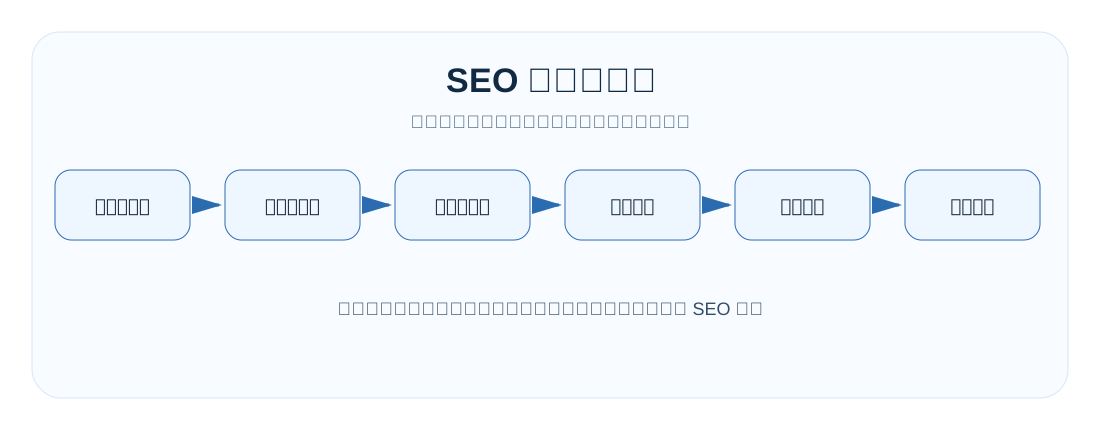
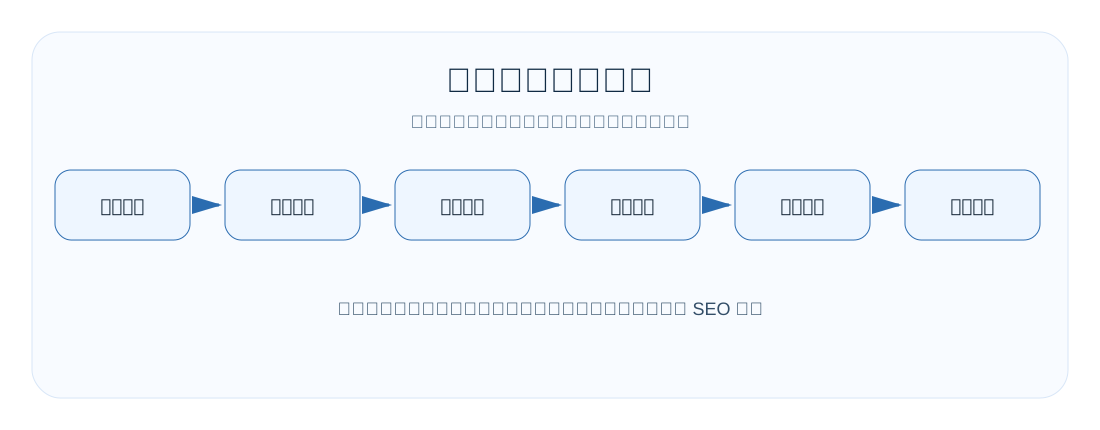
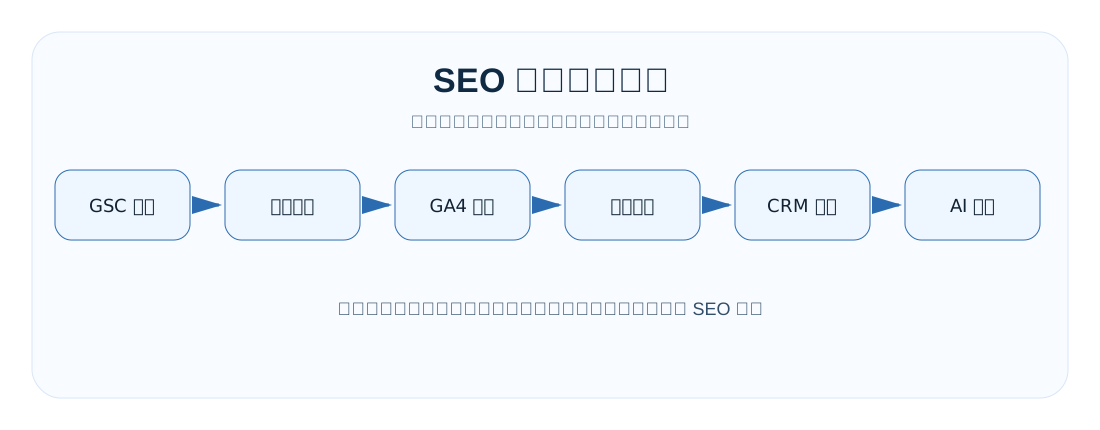
What is SEO? For an export business, SEO means making it easier for overseas buyers to discover, understand and trust your website when they search for products, specifications, applications, supplier capabilities and purchasing questions. It is not a mysterious trick, and it is not simply chasing a keyword position. It is a long-term approach to building page visibility, content credibility and inquiry paths.
This article uses export product terms such as custom metal parts, LED flood light, packaging machine, medical probe, cnc machining parts, ceramic dinnerware, waterproof connector, industrial valve supplier and private label activewear manufacturer to explain SEO. It is written for domestic export factories, the people in charge of B2B standalone sites, export managers and operations staff, not for peers in the industry. You will see how crawling, indexing, ranking, page types, keyword intent, text and image content, GSC/GA4/CRM review and AI citations relate to one another.
Official source boundaries: SEO has to keep crawling, indexing, search performance and inquiry paths separate
SEO is not a single keyword position, and it is not just writing articles. For an export website, it is more like a page asset system: pages are first discovered and crawled, then indexed and understood, and only after that can they show search performance across different queries, countries and devices. Search Console, GA4, server logs, sales feedback and AI/GEO samples must be recorded separately and cannot substitute for one another.
If the site currently has no usable GSC query, page or page-query row data, you must not fill in rankings, impressions, clicks, CTR, AI adoption or changes in inquiries. A beginner SEO diagnosis can still go ahead, but the conclusions must be downgraded to: whether pages are crawlable and indexable and present in the sitemap, whether product pages, category pages, resource pages and articles have a clear role, and whether GA4 events and the inquiry path are observable.
Mapping table of official sources to basic SEO fields
| Official source entry point | What it helps you judge | Acceptance fields for an export website | What it cannot prove |
|---|---|---|---|
| Google Search Central: How Search Works | Google Search broadly consists of stages such as crawling, indexing and serving results. | Whether a page is discovered, crawled and indexed, and whether it has search performance. | A crawl hit must not be written up as search performance. |
| Google Search Central: SEO Starter Guide | The foundation of SEO is helping search engines understand content and helping users decide whether to visit. | Titles, descriptions, page organization, internal links, images and readable content. | You must not promise that a given action will produce a specific search position. |
| Google Search Central: Search Essentials | For a page to take part in Google Search, it has to meet basic technical, policy and content requirements. | HTTP 200, crawlable, indexable, core content visible, no obvious violations. | Meeting the basic requirements does not mean a page already has search performance. |
| Google Search Central: Creating helpful, reliable, people-first content | Content should serve real user questions and provide reliable, useful, verifiable information. | Product facts, application scenarios, purchasing questions, limits and boundaries, and details from experience. | Content quality cannot be judged by word count alone. |
| Google Search Central: Search Console start guide | Search Console can be used to monitor, debug and improve Google Search performance. | Properties, sitemaps, indexing reports, URL inspection and performance reports. | Third-party screenshots cannot replace data from the official account. |
| Search Console Help: Performance report | query, page, country, device, clicks, impressions, CTR, average position. | Break the data down by product terms, question terms, country and device. | When there is no row data, you must not write about improvements in rankings, impressions, clicks or CTR. |
| Search Console Help: URL Inspection tool | The indexing status, crawl status and canonical of a single URL, and the version of the page Google sees. | Sample the home page, category pages, product pages, resource pages, articles and contact page. | A single indexable URL does not mean the whole site already has search performance. |
| Search Console Help: Page indexing report | Page indexing status and the reasons pages are not indexed. | Grouped as indexed, not indexed, duplicate, noindex, redirect, 404/410. | An indexing report is not an inquiry report. |
| Google Search Central: Sitemaps overview | Sitemaps help Google discover important URLs. | Whether product pages, category pages, resource pages, articles and core pages are in the sitemap. | Being present in the sitemap does not mean a page has been crawled, indexed or shown. |
| Google Search Central: robots.txt introduction | robots.txt controls crawl access. | Whether product catalogs, resource pages, images, CSS, JS or AI-related access paths are blocked by mistake. | robots cannot solve content quality problems. |
| Google Search Central: Consolidating duplicate URLs guidance | Duplicate URLs require canonical tags, redirects, internal links and sitemaps to work together. | Whether parameter pages, old URLs, multilingual pages and duplicate articles have a primary page. | A canonical is not a ranking promise. |
| Google Search Central: Structured data general guidelines | Structured data has to match the visible content of the page and comply with policy. | Whether Product, FAQ, Breadcrumb and Article markup match the body content. | Schema cannot replace page facts. |
| Google Analytics Help: About events | GA4 events make it possible to observe what users do next on the site. | Form, email, WhatsApp, RFQ, download and contact page events. | On-site events cannot replace GSC search performance. |
| Google Search Central: AI features and your website | AI search capabilities still depend on a foundation of accessible, indexable pages with clear content. | Page facts, answer sections, internal links, tables and citable paragraphs. | You must not promise that AI answers will definitely cite your website. |
| OpenAI Platform: Bots | Distinguish the access purposes of OAI-SearchBot, GPTBot and ChatGPT-User. | Whether robots rules, logs and public pages unintentionally block the relevant access paths. | This does not mean ChatGPT will display things in a specified way. |
| Bing Webmaster Blog: AI Performance | Where available in the account, you can observe AI citations, cited pages and grounding query phrases. | Record Bing AI samples, GSC, GA4, logs and sales feedback separately. | This cannot represent all AI platforms. |
| IndexNow: Documentation | After a URL is added, updated or deleted, you can send a notification to participating search engines. | Whether there is a notification action after core pages are updated. | This cannot replace content quality, crawl eligibility or indexing eligibility. |
Beginner SEO acceptance criteria: separate the layers first, then review
| Acceptance layer | Required evidence | How to judge it on an export website | Unacceptable wording |
|---|---|---|---|
| Crawling | robots, sitemap, logs, HTTP status and page accessibility. | Confirm that product pages, category pages, resource pages and articles can be reasonably discovered. | Discussing rankings when the page is not crawlable. |
| Indexing | Page indexing, URL Inspection, canonical and the page version. | Distinguish crawled, indexed, excluded and duplicate pages. | Writing a crawl hit up as participation in search. |
| Understanding | Titles, body structure, tables, images, Schema, internal links and entity consistency. | Make the page clearly answer questions about the product, applications, specifications, resources and inquiries. | Writing only keywords without facts. |
| Search performance | query, page, country, device, clicks, impressions, CTR, average position. | See whether row data appears for product terms, question terms, country and device. | Claiming results without GSC row data. |
| On-site actions | Download, form, email, WhatsApp, RFQ and contact page events. | Judge whether SEO pages connect to a real inquiry path. | Writing search impressions directly as an improvement in inquiries. |
| AI/GEO samples | Platform, question, date, answer summary, cited URL, wrong facts. | Treat samples as observation records, not long-term results. | Writing a single answer screenshot as a stable conclusion about a platform. |
How to downgrade a beginner SEO diagnosis when there is no GSC data
If the site currently has no usable GSC query, page or page-query row data, a beginner SEO diagnosis cannot be written as a search performance report. It can first be written as a report on page eligibility, content structure and data readiness.
| Missing evidence | What you can write | What you cannot write | Next review step |
|---|---|---|---|
| No GSC Performance rows | Whether pages are crawlable, indexable and in the sitemap, and whether they have a clear page role. | Rankings, impressions, clicks, CTR or trend improvements. | Keep 28-day and 90-day date ranges and wait for the first rows of data. |
| No URL Inspection sample | List the home page, category pages, product pages, resource pages, articles and contact page that need to be spot-checked. | Asserting that core pages already take part in search. | Record indexing status, canonical, crawl time and page version. |
| No GA4 events | Explain that download, form, email, WhatsApp, RFQ and contact page events need to be configured. | That organic search inquiries have improved. | First make on-site actions observable. |
| No log samples | Explain that origin, CDN or WAF logs are temporarily unavailable, and do not treat tool screenshots as crawl evidence. | Writing that Googlebot or a related crawler has crawled the site. | Obtain logs with a clear coverage period, source and fields. |
| No AI samples | Build a table of platform, question, date, answer summary, cited URL and wrong facts. | Writing that AI platforms already cite the website. | Re-test across platforms with a fixed question set, and record it separately from page actions. |
Top 1 benchmark conclusion: official guides state principles, export websites need practical actions
The current authoritative benchmark is Google Search Central’s SEO Starter Guide and How Search Works. They clearly explain that the essence of SEO is helping search engines understand content and helping users decide whether to visit, and they break the search process into crawling, indexing and serving results. They also explicitly warn that no method automatically earns the number one spot, and that search results take time to change.
Our approach to going beyond them is not to reject the official guides but to translate them into the operating language of an export website: which pages to check first, how to break down product terms, how to write category pages, how to reduce the buyer’s decision cost on product pages, how article pages should capture question terms, and how to use GSC, GA4, inquiry sources and CRM to judge whether organic search genuinely helps the business.
SEO stage diagnosis table
| Stage | Common problems on export sites | How to check | Direction for improvement |
|---|---|---|---|
| Discovery | Important product pages have no entry point | Review navigation, categories, in-body internal links, sitemap | Add category entry points and links to related articles |
| Crawling | Blocked by robots or status codes | GSC, logs, HTTP status | Fix the rules and the server response |
| Rendering | Specification content depends on complex interactions | Review page source and rendered output | Make core content directly readable |
| Indexing | Pages are duplicate or too thin | site query, GSC coverage | Add unique scenarios and specifications |
| Ranking | Unclear intent or insufficient trust | Compare the SERP and competitors | Strengthen evidence, tables, FAQ |
| Conversion | Traffic exists but inquiries are few | GA4 paths and form data | Optimize CTAs and resource entry points |
Part 1: Understanding SEO in one sentence
SEO is not about dropping a few keywords onto a page. It is about letting search engines discover the page, understand the page and judge whether the page can solve a buyer’s problem, and then showing the page to potential customers for the right query. For an export business, the audience for SEO is not industry peers but overseas buyers who are searching for product specifications, supplier capabilities, application solutions, certifications, MOQ, lead time, samples, installation, maintenance, comparisons and purchasing risks.
Once SEO is placed in a business context, the team stops asking only “what rank are we” and starts asking: which product pages are discovered, which category pages are understood, which application solutions bring valid inquiries, and which English terms move buyers into the inquiry path.
Apply this principle to products such as custom metal parts, LED flood light, packaging machine, medical probe, cnc machining parts, ceramic dinnerware, waterproof connector, industrial valve supplier and private label activewear manufacturer: what the team needs to look at is not whether a particular word appears, but whether the page clearly explains the product, the specifications, the scenario, the evidence and the next contact path. As long as the buyer’s questions remain unanswered, the page has not yet truly completed its search visibility build.
Part 2: Why export businesses cannot understand SEO as keyword ranking alone
Ranking is only a cross-section of the result, not the whole process. An LED flood light page may have no visible position for a broad term, yet still bring inquiries from long-tail terms such as 150W LED flood light for warehouse, IP66 outdoor flood light supplier and high mast lighting manufacturer. Looking at a single term will lead you to misjudge the value of the page.
A more reasonable approach is to divide query terms into product terms, specification terms, application terms, comparison terms, question terms, supplier terms and purchasing terms, then see which page each of them lands on, how long users stay, whether they go on to view resources and whether they submit an inquiry.
Apply this principle to products such as custom metal parts, LED flood light, packaging machine, medical probe, cnc machining parts, ceramic dinnerware, waterproof connector, industrial valve supplier and private label activewear manufacturer: what the team needs to look at is not whether a particular word appears, but whether the page clearly explains the product, the specifications, the scenario, the evidence and the next contact path. As long as the buyer’s questions remain unanswered, the page has not yet truly completed its search visibility build.
Part 3: What the Google number one benchmark teaches us
The strength of Google’s official SEO Starter Guide is that it explains the basic boundaries of SEO: helping search engines understand content and helping users decide whether to visit, while stressing that no method automatically earns the number one spot. How Search Works goes further and breaks search into three stages: crawling, indexing and serving results.
This material is authoritative and clear, but for a Chinese export factory it is not practical enough: it will not tell you how a custom metal parts category page should capture material terms, how a packaging machine product page should write its specification table, how a medical probe page should handle compliance information, or how an industrial valve supplier page should organize application conditions. The focus of this article is translating official principles into page actions that an export standalone site can actually carry out.
Apply this principle to products such as custom metal parts, LED flood light, packaging machine, medical probe, cnc machining parts, ceramic dinnerware, waterproof connector, industrial valve supplier and private label activewear manufacturer: what the team needs to look at is not whether a particular word appears, but whether the page clearly explains the product, the specifications, the scenario, the evidence and the next contact path. As long as the buyer’s questions remain unanswered, the page has not yet truly completed its search visibility build.
Part 4: Search intent matters more than the keyword itself
The same term can carry different intents. Waterproof connector may be a product purchase, waterproof connector pinout may be technical confirmation, waterproof connector vs standard connector may be a selection comparison, and waterproof connector supplier may already be close to supplier evaluation.
If all these intents are crammed into one page, users get lost and search engines struggle to tell which scenario the page suits best. An export site should handle informational, comparison, commercial investigation and inquiry intents on separate pages.
Apply this principle to products such as custom metal parts, LED flood light, packaging machine, medical probe, cnc machining parts, ceramic dinnerware, waterproof connector, industrial valve supplier and private label activewear manufacturer: what the team needs to look at is not whether a particular word appears, but whether the page clearly explains the product, the specifications, the scenario, the evidence and the next contact path. As long as the buyer’s questions remain unanswered, the page has not yet truly completed its search visibility build.
SEO stage diagnosis table
| Stage | Common problems on export sites | How to check | Direction for improvement |
|---|---|---|---|
| Discovery | Important product pages have no entry point | Review navigation, categories, in-body internal links, sitemap | Add category entry points and links to related articles |
| Crawling | Blocked by robots or status codes | GSC, logs, HTTP status | Fix the rules and the server response |
| Rendering | Specification content depends on complex interactions | Review page source and rendered output | Make core content directly readable |
| Indexing | Pages are duplicate or too thin | site query, GSC coverage | Add unique scenarios and specifications |
| Ranking | Unclear intent or insufficient trust | Compare the SERP and competitors | Strengthen evidence, tables, FAQ |
| Conversion | Traffic exists but inquiries are few | GA4 paths and form data | Optimize CTAs and resource entry points |
Part 5: Crawling: a page must first be discovered
Search engines usually discover pages through links. If product pages, category pages, application solution pages, blog articles and PDF download pages have no stable entry points, a sitemap alone is not reliable enough. In-body internal links, navigation depth, category structure, related articles and product recommendations all affect how efficiently pages are discovered.
For example, if a cnc machining parts material page appears only inside one filter result, with no category entry point, no links from application articles and no cross-links from product pages, it may go unnoticed for a long time.
Apply this principle to products such as custom metal parts, LED flood light, packaging machine, medical probe, cnc machining parts, ceramic dinnerware, waterproof connector, industrial valve supplier and private label activewear manufacturer: what the team needs to look at is not whether a particular word appears, but whether the page clearly explains the product, the specifications, the scenario, the evidence and the next contact path. As long as the buyer’s questions remain unanswered, the page has not yet truly completed its search visibility build.
Part 6: Rendering: important content must not hide behind interactions
Many export websites put specifications, model numbers, FAQ content and downloadable resources in areas that only load after a click, or even pull them in asynchronously with scripts. Just because a user can see something does not mean a search engine will reliably understand it. Key text, links, image descriptions and tables should be readable in the page HTML, and at the very least should not depend on complex interactions to appear.
For complex products such as packaging machine and industrial valve supplier, the specification table, application scenarios, certifications, after-sales scope, common faults and spare parts information are all core content. They must not exist only inside images, and must not be visible only after the user clicks a pop-up.
Apply this principle to products such as custom metal parts, LED flood light, packaging machine, medical probe, cnc machining parts, ceramic dinnerware, waterproof connector, industrial valve supplier and private label activewear manufacturer: what the team needs to look at is not whether a particular word appears, but whether the page clearly explains the product, the specifications, the scenario, the evidence and the next contact path. As long as the buyer’s questions remain unanswered, the page has not yet truly completed its search visibility build.
Part 7: Indexing: being crawled does not mean being kept
After a page is visited, the search engine still has to decide whether it is worth adding to the index. Pages that are too thin, duplicate, lacking unique value, heavily overlapping with other pages or missing a main question may all fail to be kept.
A common problem on export sites is that many product pages swap out only the model number while the body text stays almost identical, and many category pages merely pile up product lists without applications, selection guidance, specifications or purchasing judgment. Even if such pages exist, they do not necessarily become search assets.
Apply this principle to products such as custom metal parts, LED flood light, packaging machine, medical probe, cnc machining parts, ceramic dinnerware, waterproof connector, industrial valve supplier and private label activewear manufacturer: what the team needs to look at is not whether a particular word appears, but whether the page clearly explains the product, the specifications, the scenario, the evidence and the next contact path. As long as the buyer’s questions remain unanswered, the page has not yet truly completed its search visibility build.
Part 8: Understanding: a page must make clear to people and machines what it solves
A good page should clearly answer: what kind of product this is, what purchasing scenario it suits, what problem it solves, what the key specifications are, how it differs from alternatives, and what the buyer should look at next. The title, H1, H2s, the first screen of body text, image alt text, tables and internal links should all point to the same topic.
If the page title says ceramic dinnerware but the body also talks about tableware, glassware, kitchen supplies, gift packaging, OEM production lines and a company introduction all at once, the topic becomes diluted.
Apply this principle to products such as custom metal parts, LED flood light, packaging machine, medical probe, cnc machining parts, ceramic dinnerware, waterproof connector, industrial valve supplier and private label activewear manufacturer: what the team needs to look at is not whether a particular word appears, but whether the page clearly explains the product, the specifications, the scenario, the evidence and the next contact path. As long as the buyer’s questions remain unanswered, the page has not yet truly completed its search visibility build.
Part 9: Ranking: not decided by a single factor
Ranking is influenced by many things: relevance, content quality, page experience, links, brand signals, geographic and language matching, and query intent. The part an export business can control is making pages clearer, more credible, more complete and easier for buyers to act on.
You cannot promise that a given action will produce a specific search position, but systematic improvement can raise the probability of being understood, being clicked and being validated by inquiries.
Apply this principle to products such as custom metal parts, LED flood light, packaging machine, medical probe, cnc machining parts, ceramic dinnerware, waterproof connector, industrial valve supplier and private label activewear manufacturer: what the team needs to look at is not whether a particular word appears, but whether the page clearly explains the product, the specifications, the scenario, the evidence and the next contact path. As long as the buyer’s questions remain unanswered, the page has not yet truly completed its search visibility build.
Export page type and keyword matching table
| Page type | Queries it should target | Queries it should not target | Key content |
|---|---|---|---|
| Category page | Product family, specification range, supplier | Single fault/troubleshooting questions | Selection, parameter ranges, differences between series |
| Product page | Model, material, certification, customization | General industry encyclopedia | Specifications, applications, samples, resources |
| Application page | for warehouse, for solar, for food | Company introduction queries | Scenario problems, recommended products, case leads |
| Article page | how to, what is, vs, checklist | Strong commercial inquiry queries | Explanation, judgment, steps, FAQ |
| Resource page | datasheet, manual, catalog | Generic traffic queries | Download instructions, compatibility range, versions |
| Contact page | quote, sample request, contact | Knowledge-type questions | Form, region, response time, information checklist |
Part 10: The page system an export website needs
SEO has to land on page types, not just on articles. The home page carries brand trust, category pages carry the product family, product pages carry specifications and inquiries, application pages carry scenarios, articles carry questions and comparisons, resource pages carry technical confirmation, and case study pages carry trust evidence.
If there are only blog articles explaining knowledge, with no product pages and category pages to capture commercial intent, traffic may arrive in volume but inquiries will be weak; if there is only a product list with no explanatory content, both search engines and buyers lack a basis for judgment.
Apply this principle to products such as custom metal parts, LED flood light, packaging machine, medical probe, cnc machining parts, ceramic dinnerware, waterproof connector, industrial valve supplier and private label activewear manufacturer: what the team needs to look at is not whether a particular word appears, but whether the page clearly explains the product, the specifications, the scenario, the evidence and the next contact path. As long as the buyer’s questions remain unanswered, the page has not yet truly completed its search visibility build.
Part 11: How to layer product terms
An export English product term cannot be just one main word. Taking custom metal parts as an example, it can be broken down into material, process, precision, industry, use, certification, surface treatment, purchasing method and country market. Each layer may correspond to a different page or section.
Layering product terms helps a business judge which terms suit product pages, which suit category pages, which suit application articles and which suit FAQ.
Apply this principle to products such as custom metal parts, LED flood light, packaging machine, medical probe, cnc machining parts, ceramic dinnerware, waterproof connector, industrial valve supplier and private label activewear manufacturer: what the team needs to look at is not whether a particular word appears, but whether the page clearly explains the product, the specifications, the scenario, the evidence and the next contact path. As long as the buyer’s questions remain unanswered, the page has not yet truly completed its search visibility build.
Part 12: A category page is not a product list page
A category page should help buyers understand how to choose within the whole product family, rather than just displaying a row of product cards. A category page needs use cases, specification ranges, selection logic, material differences, common questions, downloadable resources, related applications and representative products.
For example, an LED flood light category page can include wattage, lumen, beam angle, IP rating, installation height and warehouse/outdoor/stadium scenarios, not just 20 product images.
Apply this principle to products such as custom metal parts, LED flood light, packaging machine, medical probe, cnc machining parts, ceramic dinnerware, waterproof connector, industrial valve supplier and private label activewear manufacturer: what the team needs to look at is not whether a particular word appears, but whether the page clearly explains the product, the specifications, the scenario, the evidence and the next contact path. As long as the buyer’s questions remain unanswered, the page has not yet truly completed its search visibility build.
Part 13: Product pages must answer purchasing decision questions
The goal of a product page is not to pile up specifications but to reduce the buyer’s cost of judging. Key content includes specifications, materials, applicable scenarios, customizable options, certifications, packaging, lead time, samples, quality control, installation and maintenance, alternative models and the information needed for an inquiry.
A medical probe page in particular should explain compatible equipment, materials, biocompatibility, sterilization, packaging, compliance documents, sample testing and how to obtain technical documentation.
Apply this principle to products such as custom metal parts, LED flood light, packaging machine, medical probe, cnc machining parts, ceramic dinnerware, waterproof connector, industrial valve supplier and private label activewear manufacturer: what the team needs to look at is not whether a particular word appears, but whether the page clearly explains the product, the specifications, the scenario, the evidence and the next contact path. As long as the buyer’s questions remain unanswered, the page has not yet truly completed its search visibility build.
Part 14: Application scenario pages capture high-value long-tail terms
Many buyers do not search by product name but by scenario, for example packaging machine for frozen food, waterproof connector for outdoor lighting or industrial valve for chemical plant. An application page should connect the problem, the environment, the specifications, the recommended products and the inquiry path.
These pages are usually closer to real demand than broad product terms, and they are a better way to show supplier experience.
Apply this principle to products such as custom metal parts, LED flood light, packaging machine, medical probe, cnc machining parts, ceramic dinnerware, waterproof connector, industrial valve supplier and private label activewear manufacturer: what the team needs to look at is not whether a particular word appears, but whether the page clearly explains the product, the specifications, the scenario, the evidence and the next contact path. As long as the buyer’s questions remain unanswered, the page has not yet truly completed its search visibility build.
Buyer search term breakdown table
| Product | Informational | Comparison | Purchasing | Page suggestion |
|---|---|---|---|---|
| custom metal parts | material selection | cnc vs stamping | custom metal parts supplier | Material guide + category page |
| LED flood light | beam angle meaning | LED vs halogen flood light | LED flood light manufacturer | Selection article + category page |
| packaging machine | how to choose packaging machine | vertical vs horizontal packaging machine | packaging machine supplier | Application page + product series |
| medical probe | probe sterilization | single use vs reusable probe | medical probe manufacturer | Technical page + compliance notes |
| waterproof connector | IP rating explained | M12 vs M8 connector | waterproof connector supplier | FAQ + category page |
| industrial valve supplier | valve material guide | ball valve vs gate valve | industrial valve supplier | Selection page + inquiry page |
Part 15: Article pages must solve problems, not display traces of work
Tutorials and knowledge articles should be written from the perspective of the customer’s problems: why pages are not indexed, why there are impressions but no inquiries, why product terms do not gain traction, why AI answers do not cite the official website, and why there appear to be many English pages yet no organic traffic.
An article is not an internal record. It helps owners, export managers and operations staff diagnose problems, understand priorities and decide the next step.
Apply this principle to products such as custom metal parts, LED flood light, packaging machine, medical probe, cnc machining parts, ceramic dinnerware, waterproof connector, industrial valve supplier and private label activewear manufacturer: what the team needs to look at is not whether a particular word appears, but whether the page clearly explains the product, the specifications, the scenario, the evidence and the next contact path. As long as the buyer’s questions remain unanswered, the page has not yet truly completed its search visibility build.
Part 16: Titles and descriptions must support the click decision
The title should clearly state what the page solves instead of just stacking keywords. The description should tell buyers what information they will find, such as specifications, selection guidance, applications, resources and supply capability, rather than repeating company slogans.
For private label activewear manufacturer, the title can emphasize OEM/ODM, fabric, MOQ, sample, size range and lead time, instead of just writing best manufacturer.
Apply this principle to products such as custom metal parts, LED flood light, packaging machine, medical probe, cnc machining parts, ceramic dinnerware, waterproof connector, industrial valve supplier and private label activewear manufacturer: what the team needs to look at is not whether a particular word appears, but whether the page clearly explains the product, the specifications, the scenario, the evidence and the next contact path. As long as the buyer’s questions remain unanswered, the page has not yet truly completed its search visibility build.
Part 17: Image SEO must serve understanding
Images are not decoration. Product structure diagrams, specification diagrams, application scenario images, selection flow charts, comparison matrices, certification photos and packaging photos all help buyers judge and help search engines understand the page. Image file names, alt text and nearby text should match the topic of the page.
If an image is just a large unexplained factory photo, its contribution to search visibility is limited; if the image and text together explain the tolerance, surface finish and material options of cnc machining parts, it is far more valuable.
Apply this principle to products such as custom metal parts, LED flood light, packaging machine, medical probe, cnc machining parts, ceramic dinnerware, waterproof connector, industrial valve supplier and private label activewear manufacturer: what the team needs to look at is not whether a particular word appears, but whether the page clearly explains the product, the specifications, the scenario, the evidence and the next contact path. As long as the buyer’s questions remain unanswered, the page has not yet truly completed its search visibility build.
Part 18: Use structured data with caution
Structured data can help search engines understand products, FAQ, breadcrumbs, articles and organization information, but only if the page genuinely displays the corresponding content. Do not use markup to wrap content that does not exist, and do not put unverifiable promises into structured data.
Export sites should prioritize types that match the real page content, such as Breadcrumb, Organization, Article, Product and FAQ.
Apply this principle to products such as custom metal parts, LED flood light, packaging machine, medical probe, cnc machining parts, ceramic dinnerware, waterproof connector, industrial valve supplier and private label activewear manufacturer: what the team needs to look at is not whether a particular word appears, but whether the page clearly explains the product, the specifications, the scenario, the evidence and the next contact path. As long as the buyer’s questions remain unanswered, the page has not yet truly completed its search visibility build.
Part 19: Internal linking is the most underrated foundation on export sites
Internal links determine the relationships between pages. Articles should link to related product pages, category pages and application pages; product pages should link to selection guides, resource pages, case studies and related products; category pages should link to flagship series and key applications.
In-body internal links convey context better than an isolated sitemap. For example, if a waterproof connector article mentions outdoor LED lighting, it should link to the corresponding application page or product series.
Apply this principle to products such as custom metal parts, LED flood light, packaging machine, medical probe, cnc machining parts, ceramic dinnerware, waterproof connector, industrial valve supplier and private label activewear manufacturer: what the team needs to look at is not whether a particular word appears, but whether the page clearly explains the product, the specifications, the scenario, the evidence and the next contact path. As long as the buyer’s questions remain unanswered, the page has not yet truly completed its search visibility build.
Content quality assessment table
| Criterion | Weak page | Strong page | Practical action for export sites |
|---|---|---|---|
| Clear topic | Broad title | Title matches a single intent | One page solves one main problem |
| Sufficient evidence | Slogans only | Specifications, tables, images, resources | Add specifications and selection evidence |
| Customer perspective | Talks mostly about itself | Answers buyer questions | State MOQ, samples, lead time, certifications |
| Internal linking | Isolated page | Connects products, categories, applications | Recommend the next step in the body |
| Review data | Only visits | Queries, clicks, inquiry quality | Judge with GSC + GA4 + CRM together |
Part 20: More backlinks and trust signals is not always better
The value of a backlink lies in relevance and credibility. Industry media, associations, trade shows, customer resources, citations in technical material, partner pages and genuine reports of product applications usually mean far more than unrelated directories.
Export businesses should avoid spending effort on the number of irrelevant links and instead prioritize making the site’s own content worth citing by supply chain partners, industry resources and customer pages.
Apply this principle to products such as custom metal parts, LED flood light, packaging machine, medical probe, cnc machining parts, ceramic dinnerware, waterproof connector, industrial valve supplier and private label activewear manufacturer: what the team needs to look at is not whether a particular word appears, but whether the page clearly explains the product, the specifications, the scenario, the evidence and the next contact path. As long as the buyer’s questions remain unanswered, the page has not yet truly completed its search visibility build.
Part 21: Technical SEO is about keeping content unblocked
robots, noindex, canonical, redirects, 404s, speed, mobile, JS rendering, site structure, duplicate URLs, pagination and multilingual tags can all affect whether a page enters the search process. The goal of technical SEO is not to show off, but to make sure important pages can be discovered, crawled, understood and reliably accessed.
If a packaging machine category page has a canonical pointing to the home page, then no matter how well the content is written, it will be hard for it to become an asset.
Apply this principle to products such as custom metal parts, LED flood light, packaging machine, medical probe, cnc machining parts, ceramic dinnerware, waterproof connector, industrial valve supplier and private label activewear manufacturer: what the team needs to look at is not whether a particular word appears, but whether the page clearly explains the product, the specifications, the scenario, the evidence and the next contact path. As long as the buyer’s questions remain unanswered, the page has not yet truly completed its search visibility build.
Part 22: GSC is the first data source for judging SEO
Google Search Console shows query terms, pages, impressions, clicks, average position, indexing status and crawl-related notices. Export businesses should look at data by page type rather than only looking at total site traffic.
For example, if a category page has growing impressions but a low click rate, the title and meta description may need work; if a product page gets clicks but few inquiries, the page content and form path may need to be checked.
Apply this principle to products such as custom metal parts, LED flood light, packaging machine, medical probe, cnc machining parts, ceramic dinnerware, waterproof connector, industrial valve supplier and private label activewear manufacturer: what the team needs to look at is not whether a particular word appears, but whether the page clearly explains the product, the specifications, the scenario, the evidence and the next contact path. As long as the buyer’s questions remain unanswered, the page has not yet truly completed its search visibility build.
Part 23: GA4 and CRM must be read together
Organic traffic is not the finish line. GA4 shows whether users go on to view products, resources, the About page and the contact page; CRM or inquiry forms reveal the inquiry country, product type, budget, authenticity and deal stage.
If SEO brings a lot of traffic but CRM shows inquiries from irrelevant countries or low-quality enquiries, go back and check the keywords and page intent.
Apply this principle to products such as custom metal parts, LED flood light, packaging machine, medical probe, cnc machining parts, ceramic dinnerware, waterproof connector, industrial valve supplier and private label activewear manufacturer: what the team needs to look at is not whether a particular word appears, but whether the page clearly explains the product, the specifications, the scenario, the evidence and the next contact path. As long as the buyer’s questions remain unanswered, the page has not yet truly completed its search visibility build.
Part 24: The AI search era still needs website assets
Answer systems such as AI Overviews, ChatGPT and Perplexity prefer content that is clear, citable, structured and credible. If a website has no clear facts, tables, definitions, FAQ, product specifications and evidence, it is hard to be cited.
Export businesses should clearly document product capabilities, processes, certifications, specification ranges, application scenarios and delivery terms, so the content suits both search results and extraction by answer systems.
Apply this principle to products such as custom metal parts, LED flood light, packaging machine, medical probe, cnc machining parts, ceramic dinnerware, waterproof connector, industrial valve supplier and private label activewear manufacturer: what the team needs to look at is not whether a particular word appears, but whether the page clearly explains the product, the specifications, the scenario, the evidence and the next contact path. As long as the buyer’s questions remain unanswered, the page has not yet truly completed its search visibility build.
90-day review metrics table
| Timeline | What to look at | Tools | Action to take |
|---|---|---|---|
| Day 7 | HTTP, index discovery, image access | Browser, GSC | Rule out technical blockers |
| Day 14–30 | Initial impressions and query terms | GSC | Fill in missing questions and titles |
| Day 30–60 | CTR, time on page, paths | GSC, GA4 | Adjust meta descriptions, internal links, above-the-fold content |
| Day 60–90 | Inquiry products and countries | Forms, CRM | Filter high-value terms and pages |
| Ongoing | AI citations, brand search | AI search, GSC | Strengthen citable facts and FAQ |
Part 25: Review SEO results in stages
A new page should not be written off the day after it goes live. At 7 days, check whether it is accessible and discovered; at 14–30 days, check indexing and initial impressions; at 30–60 days, check query terms and clicks; at 60–90 days, check the inquiry path and page improvements.
Different markets, product competition, the state of the website and content quality all affect the pace, so reviews should look at trends and evidence, without making promises you cannot control.
Apply this principle to products such as custom metal parts, LED flood light, packaging machine, medical probe, cnc machining parts, ceramic dinnerware, waterproof connector, industrial valve supplier and private label activewear manufacturer: what the team needs to look at is not whether a particular word appears, but whether the page clearly explains the product, the specifications, the scenario, the evidence and the next contact path. As long as the buyer’s questions remain unanswered, the page has not yet truly completed its search visibility build.
Part 26: Common mistake one: chasing a single big term
Many businesses fixate on big terms such as LED light, valve or machining. Big terms are highly competitive, broad in intent and do not necessarily convert well. An export site should instead build a combination of product terms, specification terms, application terms, question terms and supplier terms.
Long-tail terms are not low-value terms. Many inquiries come from specific needs, such as aluminum cnc machining parts with anodizing or waterproof connector for solar cable.
Apply this principle to products such as custom metal parts, LED flood light, packaging machine, medical probe, cnc machining parts, ceramic dinnerware, waterproof connector, industrial valve supplier and private label activewear manufacturer: what the team needs to look at is not whether a particular word appears, but whether the page clearly explains the product, the specifications, the scenario, the evidence and the next contact path. As long as the buyer’s questions remain unanswered, the page has not yet truly completed its search visibility build.
Part 27: Common mistake two: writing all content for search engines
A page that truly works over the long term must first help the buyer make a judgment. Whether the reader can understand the specifications, compare options, know what information to submit and trust the supply capability matters far more than mechanically stacking keywords.
The goal of search engines is also to present helpful pages to users, so customer readability and search understanding do not conflict.
Apply this principle to products such as custom metal parts, LED flood light, packaging machine, medical probe, cnc machining parts, ceramic dinnerware, waterproof connector, industrial valve supplier and private label activewear manufacturer: what the team needs to look at is not whether a particular word appears, but whether the page clearly explains the product, the specifications, the scenario, the evidence and the next contact path. As long as the buyer’s questions remain unanswered, the page has not yet truly completed its search visibility build.
Part 28: Common mistake three: only writing articles without improving product pages
Articles can bring informational traffic, but commercial conversion depends on product pages, category pages and the inquiry path. If an article explains the materials and safety standards of ceramic dinnerware but does not link to the related product series, it is hard for users to take the next step.
The content system should guide users from a question page to a category page, and then on to product pages, resource pages and the inquiry page.
Apply this principle to products such as custom metal parts, LED flood light, packaging machine, medical probe, cnc machining parts, ceramic dinnerware, waterproof connector, industrial valve supplier and private label activewear manufacturer: what the team needs to look at is not whether a particular word appears, but whether the page clearly explains the product, the specifications, the scenario, the evidence and the next contact path. As long as the buyer’s questions remain unanswered, the page has not yet truly completed its search visibility build.
Part 29: Common mistake four: ignoring differences in English expression
Export websites often translate Chinese thinking literally into English, so the page has text but does not match the way buyers actually search. Keyword research should look at real English queries, competitor pages, GSC data and buyer emails, not just translate Chinese product names.
For example, the Chinese term “探针” may correspond to probe, sensor probe, medical probe, ultrasound probe or temperature probe, and the choice must be judged in the context of the product and the industry.
Apply this principle to products such as custom metal parts, LED flood light, packaging machine, medical probe, cnc machining parts, ceramic dinnerware, waterproof connector, industrial valve supplier and private label activewear manufacturer: what the team needs to look at is not whether a particular word appears, but whether the page clearly explains the product, the specifications, the scenario, the evidence and the next contact path. As long as the buyer’s questions remain unanswered, the page has not yet truly completed its search visibility build.
Part 30: Common mistake five: not reviewing inquiry quality
The business value of SEO is not a traffic number but whether it brings more relevant buyers. Inquiry source, country, product, quantity, budget, decision stage and close rate should all feed back into content updates.
If a certain type of content brings a large volume of invalid enquiries, the page positioning, title, form prompts and qualifying information may need to be adjusted.
Apply this principle to products such as custom metal parts, LED flood light, packaging machine, medical probe, cnc machining parts, ceramic dinnerware, waterproof connector, industrial valve supplier and private label activewear manufacturer: what the team needs to look at is not whether a particular word appears, but whether the page clearly explains the product, the specifications, the scenario, the evidence and the next contact path. As long as the buyer’s questions remain unanswered, the page has not yet truly completed its search visibility build.
Part 31: How to start checking your own website today
Start by sampling 20 important pages: 5 category pages, 8 product pages, 4 application pages and 3 articles. Check each page for accessibility, a clear title, whether the first screen answers the question, whether there is unique content, whether there are tables and images, whether there are relevant internal links and whether there is an inquiry path.
This makes real problems easier to find than a vague discussion about SEO. Ask just one question of every page: if I were an overseas buyer, would I be clearer about how to judge and make contact after reading it?
Apply this principle to products such as custom metal parts, LED flood light, packaging machine, medical probe, cnc machining parts, ceramic dinnerware, waterproof connector, industrial valve supplier and private label activewear manufacturer: what the team needs to look at is not whether a particular word appears, but whether the page clearly explains the product, the specifications, the scenario, the evidence and the next contact path. As long as the buyer’s questions remain unanswered, the page has not yet truly completed its search visibility build.
SEO self-check list for export businesses
- Core product pages can be reached within three clicks from the navigation or a category
- Category pages explain the selection logic, not just list products
- Product pages include specifications, materials, certifications, packaging, lead time and sample information
- Application pages match real purchasing scenarios and English search terms
- Articles link to related product pages and category pages
- Images have descriptions and sit close to the relevant text
- GSC shows the query terms a page corresponds to
- GA4 shows the path organic traffic takes afterwards
- The inquiry form records the source and the product requirement
- CRM can feed back inquiry quality
Export page type and keyword matching table
| Page type | Queries it should target | Queries it should not target | Key content |
|---|---|---|---|
| Category page | Product family, specification range, supplier | Single fault/troubleshooting questions | Selection, parameter ranges, differences between series |
| Product page | Model, material, certification, customization | General industry encyclopedia | Specifications, applications, samples, resources |
| Application page | for warehouse, for solar, for food | Company introduction queries | Scenario problems, recommended products, case leads |
| Article page | how to, what is, vs, checklist | Strong commercial inquiry queries | Explanation, judgment, steps, FAQ |
| Resource page | datasheet, manual, catalog | Generic traffic queries | Download instructions, compatibility range, versions |
| Contact page | quote, sample request, contact | Knowledge-type questions | Form, region, response time, information checklist |
Buyer search term breakdown table
| Product | Informational | Comparison | Purchasing | Page suggestion |
|---|---|---|---|---|
| custom metal parts | material selection | cnc vs stamping | custom metal parts supplier | Material guide + category page |
| LED flood light | beam angle meaning | LED vs halogen flood light | LED flood light manufacturer | Selection article + category page |
| packaging machine | how to choose packaging machine | vertical vs horizontal packaging machine | packaging machine supplier | Application page + product series |
| medical probe | probe sterilization | single use vs reusable probe | medical probe manufacturer | Technical page + compliance notes |
| waterproof connector | IP rating explained | M12 vs M8 connector | waterproof connector supplier | FAQ + category page |
| industrial valve supplier | valve material guide | ball valve vs gate valve | industrial valve supplier | Selection page + inquiry page |
Content quality assessment table
| Criterion | Weak page | Strong page | Practical action for export sites |
|---|---|---|---|
| Clear topic | Broad title | Title matches a single intent | One page solves one main problem |
| Sufficient evidence | Slogans only | Specifications, tables, images, resources | Add specifications and selection evidence |
| Customer perspective | Talks mostly about itself | Answers buyer questions | State MOQ, samples, lead time, certifications |
| Internal linking | Isolated page | Connects products, categories, applications | Recommend the next step in the body |
| Review data | Only visits | Queries, clicks, inquiry quality | Judge with GSC + GA4 + CRM together |
90-day review metrics table
| Timeline | What to look at | Tools | Action to take |
|---|---|---|---|
| Day 7 | HTTP, index discovery, image access | Browser, GSC | Rule out technical blockers |
| Day 14–30 | Initial impressions and query terms | GSC | Fill in missing questions and titles |
| Day 30–60 | CTR, time on page, paths | GSC, GA4 | Adjust meta descriptions, internal links, above-the-fold content |
| Day 60–90 | Inquiry products and countries | Forms, CRM | Filter high-value terms and pages |
| Ongoing | AI citations, brand search | AI search, GSC | Strengthen citable facts and FAQ |
FAQ: common questions about what SEO is
Is SEO the same as keyword ranking?
No. Keyword ranking is only one part of visibility. Export businesses also need to look at whether pages are discovered, whether they are indexed, whether they cover buyer intent and whether they bring valid inquiries.
How long does it take for a new website to see SEO results?
There is no fixed timeline. Usually you first look at crawling and indexing, then impressions and clicks, and finally inquiry quality. Different products, competition, content foundations and the technical state of the site will affect the timeline.
For an export website, should we build product pages or articles first?
First make sure the core product pages, category pages and inquiry path work, then use articles to capture question terms and comparison terms. Articles alone, with weak product pages, will not provide enough commercial support.
Why is the site indexed but receiving no inquiries?
It may be that the pages are intent-wise too informational, that the titles attract irrelevant users, that the product pages are not persuasive enough, that the form path is unclear, or that the traffic countries do not match the target market.
Are images useful for SEO?
Yes, but only if the images help understanding. Product structure diagrams, specification diagrams, application images, selection charts and flow charts are more valuable than decorative images with no explanation.
Will AI search make SEO useless?
No. AI answers still need trustworthy sources. The clearer, better structured, more citable and more fact-rich your website content is, the more likely it is to become one of the sources answer systems understand and cite.
Can you guarantee the number one spot for a term?
No. Search results are affected by many factors, and any fixed promise is unreliable. You should track verifiable page quality, query coverage, clicks, inquiries and deal leads instead.
Does SEO need to be done continuously?
It needs ongoing maintenance. Products change, market demand changes, competitor content changes, search results change and buyer questions change, so pages must be reviewed and updated regularly.
Conclusion: understand SEO as a long-term visibility system for an export website
The essence of SEO is not a mysterious trick. It is making pages related to products such as custom metal parts, LED flood light, packaging machine, medical probe, cnc machining parts, ceramic dinnerware, waterproof connector, industrial valve supplier and private label activewear manufacturer easier to discover, easier to understand and easier to trust, and ultimately guiding the right buyers into the inquiry path. The sooner an export business combines its page system, product terms, text and image evidence, internal links, data review and customer questions, the easier it is to turn organic search into a long-term asset.
Continue reading this set of SEO resources
If you are working through export website SEO systematically, we suggest continuing with the articles below. First clarify the relationships among crawling, indexing, content, links and review, then decide which page to change next.
- How to do internal linking: a guide to export website structure, anchor text, topic clusters and inquiry paths
- Canonical tags in practice: when to consolidate signals and when you hurt indexing by mistake
- The Google crawling, indexing and ranking process: a diagnostic guide for export websites from indexing to inquiries
- How search engines work: a guide to crawling, indexing, ranking and diagnosing export websites
- Technical SEO audit checklist: a guide to diagnosing crawling, indexing, structure and inquiry paths on export websites
- Sitemap technical guide: submitting sitemaps, diagnosing indexing and troubleshooting common errors
{
“@context”: “https://schema.org”,
“@type”: “FAQPage”,
“mainEntity”: [
{
“@type”: “Question”,
“name”: “SEO stage diagnosis table Stage Common problems on export sites How to check Direction for improvement Discovery Important product pages have no entry point Review navigation, categories, in-body internal links, sitemap Add category entry points and links to related articles Crawling Blocked by robots or status codes GSC, logs, HTTP status Fix the rules and the server response Rendering Specification content depends on complex interactions Review page source and rendered output Make core content directly readable Indexing Pages are duplicate or too thin site query, GSC coverage Add unique scenarios and specifications Ranking Unclear intent or insufficient trust Compare the SERP and competitors Strengthen evidence, tables, FAQ Conversion Traffic exists but inquiries are few GA4 paths and form data Optimize CTAs and resource entry pointsnPart 1: Understanding SEO in one sentencenSEO is not about dropping a few keywords onto a page. It is about letting search engines discover the page, understand the page and judge whether the page can solve a buyer’s problem, and then showing the page to potential customers for the right query. For an export business, the audience for SEO is not industry peers but overseas buyers who are searching for product specifications, supplier capabilities, application solutions, certifications, MOQ, lead time, samples, installation, maintenance, comparisons and purchasing risks. Once SEO is placed in a business context, the team stops asking only “what rank are we” and starts asking: which product pages are discovered, which category pages are understood, which application solutions bring valid inquiries, and which English terms move buyers into the inquiry path.nApply this principle to products such as custom metal parts, LED flood light, packaging machine, medical probe, cnc machining parts, ceramic dinnerware, waterproof connector, industrial valve supplier and private label activewear manufacturer: what the team needs to look at is not whether a particular word appears, but whether the page clearly explains the product, the specifications, the scenario, the evidence and the next contact path. As long as the buyer’s questions remain unanswered, the page has not yet truly completed its search visibility build.nPart 2: Why export businesses cannot understand SEO as keyword ranking alonenRanking is only a cross-section of the result, not the whole process. An LED flood light page may have no visible position for a broad term, yet still bring inquiries from long-tail terms such as 150W LED flood light for warehouse, IP66 outdoor flood light supplier and high mast lighting manufacturer. Looking at a single term will lead you to misjudge the value of the page. A more reasonable approach is to divide query terms into product terms, specification terms, application terms, comparison terms, question terms, supplier terms and purchasing terms, then see which page each of them lands on, how long users stay, whether they go on to view resources and whether they submit an inquiry.nApply this principle to products such as custom metal parts, LED flood light, packaging machine, medical probe, cnc machining parts, ceramic dinnerware, waterproof connector, industrial valve supplier and private label activewear manufacturer: what the team needs to look at is not whether a particular word appears, but whether the page clearly explains the product, the specifications, the scenario, the evidence and the next contact path. As long as the buyer’s questions remain unanswered, the page has not yet truly completed its search visibility build.nPart 3: What the Google number one benchmark teaches usnThe strength of Google’s official SEO Starter Guide is that it explains the basic boundaries of SEO: helping search engines understand content and helping users decide whether to visit, while stressing that no method automatically earns the number one spot. How Search Works goes further and breaks search into three stages: crawling, indexing and serving results. This material is authoritative and clear, but for a Chinese export factory it is not practical enough: it will not tell you how a custom metal parts category page should capture material terms, how a packaging machine product page should write its specification table, how a medical probe page should handle compliance information, or how an industrial valve supplier page should organize application conditions. The focus of this article is translating official principles into page actions that an export standalone site can actually carry out.nApply this principle to products such as custom metal parts, LED flood light, packaging machine, medical probe, cnc machining parts, ceramic dinnerware, waterproof connector, industrial valve supplier and private label activewear manufacturer: what the team needs to look at is not whether a particular word appears, but whether the page clearly explains the product, the specifications, the scenario, the evidence and the next contact path. As long as the buyer’s questions remain unanswered, the page has not yet truly completed its search visibility build.nPart 4: Search intent matters more than the keyword itselfnThe same term can carry different intents. Waterproof connector may be a product purchase, waterproof connector pinout may be technical confirmation, waterproof connector vs standard connector may be a selection comparison, and waterproof connector supplier may already be close to supplier evaluation. If all these intents are crammed into one page, users get lost and search engines struggle to tell which scenario the page suits best. An export site should handle informational, comparison, commercial investigation and inquiry intents on separate pages.nApply this principle to products such as custom metal parts, LED flood light, packaging machine, medical probe, cnc machining parts, ceramic dinnerware, waterproof connector, industrial valve supplier and private label activewear manufacturer: what the team needs to look at is not whether a particular word appears, but whether the page clearly explains the product, the specifications, the scenario, the evidence and the next contact path. As long as the buyer’s questions remain unanswered, the page has not yet truly completed its search visibility build.nSEO stage diagnosis table Stage Common problems on export sites How to check Direction for improvement Discovery Important product pages have no entry point Review navigation, categories, in-body internal links, sitemap Add category entry points and links to related articles Crawling Blocked by robots or status codes GSC, logs, HTTP status Fix the rules and the server response Rendering Specification content depends on complex interactions Review page source and rendered output Make core content directly readable Indexing Pages are duplicate or too thin site query, GSC coverage Add unique scenarios and specifications Ranking Unclear intent or insufficient trust Compare the SERP and competitors Strengthen evidence, tables, FAQ Conversion Traffic exists but inquiries are few GA4 paths and form data Optimize CTAs and resource entry pointsnPart 5: Crawling: a page must first be discoverednSearch engines usually discover pages through links. If product pages, category pages, application solution pages, blog articles and PDF download pages have no stable entry points, a sitemap alone is not reliable enough. In-body internal links, navigation depth, category structure, related articles and product recommendations all affect how efficiently pages are discovered. For example, if a cnc machining parts material page appears only inside one filter result, with no category entry point, no links from application articles and no cross-links from product pages, it may go unnoticed for a long time.nApply this principle to products such as custom metal parts, LED flood light, packaging machine, medical probe, cnc machining parts, ceramic dinnerware, waterproof connector, industrial valve supplier and private label activewear manufacturer: what the team needs to look at is not whether a particular word appears, but whether the page clearly explains the product, the specifications, the scenario, the evidence and the next contact path. As long as the buyer’s questions remain unanswered, the page has not yet truly completed its search visibility build.nPart 6: Rendering: important content must not hide behind interactionsnMany export websites put specifications, model numbers, FAQ content and downloadable resources in areas that only load after a click, or even pull them in asynchronously with scripts. Just because a user can see something does not mean a search engine will reliably understand it. Key text, links, image descriptions and tables should be readable in the page HTML, and at the very least should not depend on complex interactions to appear. For complex products such as packaging machine and industrial valve supplier, the specification table, application scenarios, certifications, after-sales scope, common faults and spare parts information are all core content. They must not exist only inside images, and must not be visible only after the user clicks a pop-up.nApply this principle to products such as custom metal parts, LED flood light, packaging machine, medical probe, cnc machining parts, ceramic dinnerware, waterproof connector, industrial valve supplier and private label activewear manufacturer: what the team needs to look at is not whether a particular word appears, but whether the page clearly explains the product, the specifications, the scenario, the evidence and the next contact path. As long as the buyer’s questions remain unanswered, the page has not yet truly completed its search visibility build.nPart 7: Indexing: being crawled does not mean being keptnAfter a page is visited, the search engine still has to decide whether it is worth adding to the index. Pages that are too thin, duplicate, lacking unique value, heavily overlapping with other pages or missing a main question may all fail to be kept. A common problem on export sites is that many product pages swap out only the model number while the body text stays almost identical, and many category pages merely pile up product lists without applications, selection guidance, specifications or purchasing judgment. Even if such pages exist, they do not necessarily become search assets.nApply this principle to products such as custom metal parts, LED flood light, packaging machine, medical probe, cnc machining parts, ceramic dinnerware, waterproof connector, industrial valve supplier and private label activewear manufacturer: what the team needs to look at is not whether a particular word appears, but whether the page clearly explains the product, the specifications, the scenario, the evidence and the next contact path. As long as the buyer’s questions remain unanswered, the page has not yet truly completed its search visibility build.nPart 8: Understanding: a page must make clear to people and machines what it solvesnA good page should clearly answer: what kind of product this is, what purchasing scenario it suits, what problem it solves, what the key specifications are, how it differs from alternatives, and what the buyer should look at next. The title, H1, H2s, the first screen of body text, image alt text, tables and internal links should all point to the same topic. If the page title says ceramic dinnerware but the body also talks about tableware, glassware, kitchen supplies, gift packaging, OEM production lines and a company introduction all at once, the topic becomes diluted.nApply this principle to products such as custom metal parts, LED flood light, packaging machine, medical probe, cnc machining parts, ceramic dinnerware, waterproof connector, industrial valve supplier and private label activewear manufacturer: what the team needs to look at is not whether a particular word appears, but whether the page clearly explains the product, the specifications, the scenario, the evidence and the next contact path. As long as the buyer’s questions remain unanswered, the page has not yet truly completed its search visibility build.nPart 9: Ranking: not decided by a single factornRanking is influenced by many things: relevance, content quality, page experience, links, brand signals, geographic and language matching, and query intent. The part an export business can control is making pages clearer, more credible, more complete and easier for buyers to act on. You cannot promise that a given action will produce a specific search position, but systematic improvement can raise the probability of being understood, being clicked and being validated by inquiries.nApply this principle to products such as custom metal parts, LED flood light, packaging machine, medical probe, cnc machining parts, ceramic dinnerware, waterproof connector, industrial valve supplier and private label activewear manufacturer: what the team needs to look at is not whether a particular word appears, but whether the page clearly explains the product, the specifications, the scenario, the evidence and the next contact path. As long as the buyer’s questions remain unanswered, the page has not yet truly completed its search visibility build.nExport page type and keyword matching table Page type Queries it should target Queries it should not target Key content Category page Product family, specification range, supplier Single fault/troubleshooting questions Selection, parameter ranges, differences between series Product page Model, material, certification, customization General industry encyclopedia Specifications, applications, samples, resources Application page for warehouse, for solar, for food Company introduction queries Scenario problems, recommended products, case leads Article page how to, what is, vs, checklist Strong commercial inquiry queries Explanation, judgment, steps, FAQ Resource page datasheet, manual, catalog Generic traffic queries Download instructions, compatibility range, versions Contact page quote, sample request, contact Knowledge-type questions Form, region, response time, information checklistnPart 10: The page system an export website needsnSEO has to land on page types, not just on articles. The home page carries brand trust, category pages carry the product family, product pages carry specifications and inquiries, application pages carry scenarios, articles carry questions and comparisons, resource pages carry technical confirmation, and case study pages carry trust evidence. If there are only blog articles explaining knowledge, with no product pages and category pages to capture commercial intent, traffic may arrive in volume but inquiries will be weak; if there is only a product list with no explanatory content, both search engines and buyers lack a basis for judgment.nApply this principle to products such as custom metal parts, LED flood light, packaging machine, medical probe, cnc machining parts, ceramic dinnerware, waterproof connector, industrial valve supplier and private label activewear manufacturer: what the team needs to look at is not whether a particular word appears, but whether the page clearly explains the product, the specifications, the scenario, the evidence and the next contact path. As long as the buyer’s questions remain unanswered, the page has not yet truly completed its search visibility build.nPart 11: How to layer product termsnAn export English product term cannot be just one main word. Taking custom metal parts as an example, it can be broken down into material, process, precision, industry, use, certification, surface treatment, purchasing method and country market. Each layer may correspond to a different page or section. Layering product terms helps a business judge which terms suit product pages, which suit category pages, which suit application articles and which suit FAQ.nApply this principle to products such as custom metal parts, LED flood light, packaging machine, medical probe, cnc machining parts, ceramic dinnerware, waterproof connector, industrial valve supplier and private label activewear manufacturer: what the team needs to look at is not whether a particular word appears, but whether the page clearly explains the product, the specifications, the scenario, the evidence and the next contact path. As long as the buyer’s questions remain unanswered, the page has not yet truly completed its search visibility build.nPart 12: A category page is not a product list pagenA category page should help buyers understand how to choose within the whole product family, rather than just displaying a row of product cards. A category page needs use cases, specification ranges, selection logic, material differences, common questions, downloadable resources, related applications and representative products. For example, an LED flood light category page can include wattage, lumen, beam angle, IP rating, installation height and warehouse/outdoor/stadium scenarios, not just 20 product images.nApply this principle to products such as custom metal parts, LED flood light, packaging machine, medical probe, cnc machining parts, ceramic dinnerware, waterproof connector, industrial valve supplier and private label activewear manufacturer: what the team needs to look at is not whether a particular word appears, but whether the page clearly explains the product, the specifications, the scenario, the evidence and the next contact path. As long as the buyer’s questions remain unanswered, the page has not yet truly completed its search visibility build.nPart 13: Product pages must answer purchasing decision questionsnThe goal of a product page is not to pile up specifications but to reduce the buyer’s cost of judging. Key content includes specifications, materials, applicable scenarios, customizable options, certifications, packaging, lead time, samples, quality control, installation and maintenance, alternative models and the information needed for an inquiry. A medical probe page in particular should explain compatible equipment, materials, biocompatibility, sterilization, packaging, compliance documents, sample testing and how to obtain technical documentation.nApply this principle to products such as custom metal parts, LED flood light, packaging machine, medical probe, cnc machining parts, ceramic dinnerware, waterproof connector, industrial valve supplier and private label activewear manufacturer: what the team needs to look at is not whether a particular word appears, but whether the page clearly explains the product, the specifications, the scenario, the evidence and the next contact path. As long as the buyer’s questions remain unanswered, the page has not yet truly completed its search visibility build.nPart 14: Application scenario pages capture high-value long-tail termsnMany buyers do not search by product name but by scenario, for example packaging machine for frozen food, waterproof connector for outdoor lighting or industrial valve for chemical plant. An application page should connect the problem, the environment, the specifications, the recommended products and the inquiry path. These pages are usually closer to real demand than broad product terms, and they are a better way to show supplier experience.nApply this principle to products such as custom metal parts, LED flood light, packaging machine, medical probe, cnc machining parts, ceramic dinnerware, waterproof connector, industrial valve supplier and private label activewear manufacturer: what the team needs to look at is not whether a particular word appears, but whether the page clearly explains the product, the specifications, the scenario, the evidence and the next contact path. As long as the buyer’s questions remain unanswered, the page has not yet truly completed its search visibility build.nBuyer search term breakdown table Product Informational Comparison Purchasing Page suggestion custom metal parts material selection cnc vs stamping custom metal parts supplier Material guide + category page LED flood light beam angle meaning LED vs halogen flood light LED flood light manufacturer Selection article + category page packaging machine how to choose packaging machine vertical vs horizontal packaging machine packaging machine supplier Application page + product series medical probe probe sterilization single use vs reusable probe medical probe manufacturer Technical page + compliance notes waterproof connector IP rating explained M12 vs M8 connector waterproof connector supplier FAQ + category page industrial valve supplier valve material guide ball valve vs gate valve industrial valve supplier Selection page + inquiry pagenPart 15: Article pages must solve problems, not display traces of worknTutorials and knowledge articles should be written from the perspective of the customer’s problems: why pages are not indexed, why there are impressions but no inquiries, why product terms do not gain traction, why AI answers do not cite the official website, and why there appear to be many English pages yet no organic traffic. An article is not an internal record. It helps owners, export managers and operations staff diagnose problems, understand priorities and decide the next step.nApply this principle to products such as custom metal parts, LED flood light, packaging machine, medical probe, cnc machining parts, ceramic dinnerware, waterproof connector, industrial valve supplier and private label activewear manufacturer: what the team needs to look at is not whether a particular word appears, but whether the page clearly explains the product, the specifications, the scenario, the evidence and the next contact path. As long as the buyer’s questions remain unanswered, the page has not yet truly completed its search visibility build.nPart 16: Titles and descriptions must support the click decisionnThe title should clearly state what the page solves instead of just stacking keywords. The description should tell buyers what information they will find, such as specifications, selection guidance, applications, resources and supply capability, rather than repeating company slogans. For private label activewear manufacturer, the title can emphasize OEM/ODM, fabric, MOQ, sample, size range and lead time, instead of just writing best manufacturer.nApply this principle to products such as custom metal parts, LED flood light, packaging machine, medical probe, cnc machining parts, ceramic dinnerware, waterproof connector, industrial valve supplier and private label activewear manufacturer: what the team needs to look at is not whether a particular word appears, but whether the page clearly explains the product, the specifications, the scenario, the evidence and the next contact path. As long as the buyer’s questions remain unanswered, the page has not yet truly completed its search visibility build.nPart 17: Image SEO must serve understandingnImages are not decoration. Product structure diagrams, specification diagrams, application scenario images, selection flow charts, comparison matrices, certification photos and packaging photos all help buyers judge and help search engines understand the page. Image file names, alt text and nearby text should match the topic of the page. If an image is just a large unexplained factory photo, its contribution to search visibility is limited; if the image and text together explain the tolerance, surface finish and material options of cnc machining parts, it is far more valuable.nApply this principle to products such as custom metal parts, LED flood light, packaging machine, medical probe, cnc machining parts, ceramic dinnerware, waterproof connector, industrial valve supplier and private label activewear manufacturer: what the team needs to look at is not whether a particular word appears, but whether the page clearly explains the product, the specifications, the scenario, the evidence and the next contact path. As long as the buyer’s questions remain unanswered, the page has not yet truly completed its search visibility build.nPart 18: Use structured data with cautionnStructured data can help search engines understand products, FAQ, breadcrumbs, articles and organization information, but only if the page genuinely displays the corresponding content. Do not use markup to wrap content that does not exist, and do not put unverifiable promises into structured data. Export sites should prioritize types that match the real page content, such as Breadcrumb, Organization, Article, Product and FAQ.nApply this principle to products such as custom metal parts, LED flood light, packaging machine, medical probe, cnc machining parts, ceramic dinnerware, waterproof connector, industrial valve supplier and private label activewear manufacturer: what the team needs to look at is not whether a particular word appears, but whether the page clearly explains the product, the specifications, the scenario, the evidence and the next contact path. As long as the buyer’s questions remain unanswered, the page has not yet truly completed its search visibility build.nPart 19: Internal linking is the most underrated foundation on export sitesnInternal links determine the relationships between pages. Articles should link to related product pages, category pages and application pages; product pages should link to selection guides, resource pages, case studies and related products; category pages should link to flagship series and key applications. In-body internal links convey context better than an isolated sitemap. For example, if a waterproof connector article mentions outdoor LED lighting, it should link to the corresponding application page or product series.nApply this principle to products such as custom metal parts, LED flood light, packaging machine, medical probe, cnc machining parts, ceramic dinnerware, waterproof connector, industrial valve supplier and private label activewear manufacturer: what the team needs to look at is not whether a particular word appears, but whether the page clearly explains the product, the specifications, the scenario, the evidence and the next contact path. As long as the buyer’s questions remain unanswered, the page has not yet truly completed its search visibility build.nContent quality assessment table Criterion Weak page Strong page Practical action for export sites Clear topic Broad title Title matches a single intent One page solves one main problem Sufficient evidence Slogans only Specifications, tables, images, resources Add specifications and selection evidence Customer perspective Talks mostly about itself Answers buyer questions State MOQ, samples, lead time, certifications Internal linking Isolated page Connects products, categories, applications Recommend the next step in the body Review data Only visits Queries, clicks, inquiry quality Judge with GSC + GA4 + CRM togethernPart 20: More backlinks and trust signals is not always betternThe value of a backlink lies in relevance and credibility. Industry media, associations, trade shows, customer resources, citations in technical material, partner pages and genuine reports of product applications usually mean far more than unrelated directories. Export businesses should avoid spending effort on the number of irrelevant links and instead prioritize making the site’s own content worth citing by supply chain partners, industry resources and customer pages.nApply this principle to products such as custom metal parts, LED flood light, packaging machine, medical probe, cnc machining parts, ceramic dinnerware, waterproof connector, industrial valve supplier and private label activewear manufacturer: what the team needs to look at is not whether a particular word appears, but whether the page clearly explains the product, the specifications, the scenario, the evidence and the next contact path. As long as the buyer’s questions remain unanswered, the page has not yet truly completed its search visibility build.nPart 21: Technical SEO is about keeping content unblockednrobots, noindex, canonical, redirects, 404s, speed, mobile, JS rendering, site structure, duplicate URLs, pagination and multilingual tags can all affect whether a page enters the search process. The goal of technical SEO is not to show off, but to make sure important pages can be discovered, crawled, understood and reliably accessed. If a packaging machine category page has a canonical pointing to the home page, then no matter how well the content is written, it will be hard for it to become an asset.nApply this principle to products such as custom metal parts, LED flood light, packaging machine, medical probe, cnc machining parts, ceramic dinnerware, waterproof connector, industrial valve supplier and private label activewear manufacturer: what the team needs to look at is not whether a particular word appears, but whether the page clearly explains the product, the specifications, the scenario, the evidence and the next contact path. As long as the buyer’s questions remain unanswered, the page has not yet truly completed its search visibility build.nPart 22: GSC is the first data source for judging SEOnGoogle Search Console shows query terms, pages, impressions, clicks, average position, indexing status and crawl-related notices. Export businesses should look at data by page type rather than only looking at total site traffic. For example, if a category page has growing impressions but a low click rate, the title and meta description may need work; if a product page gets clicks but few inquiries, the page content and form path may need to be checked.nApply this principle to products such as custom metal parts, LED flood light, packaging machine, medical probe, cnc machining parts, ceramic dinnerware, waterproof connector, industrial valve supplier and private label activewear manufacturer: what the team needs to look at is not whether a particular word appears, but whether the page clearly explains the product, the specifications, the scenario, the evidence and the next contact path. As long as the buyer’s questions remain unanswered, the page has not yet truly completed its search visibility build.nPart 23: GA4 and CRM must be read togethernOrganic traffic is not the finish line. GA4 shows whether users go on to view products, resources, the About page and the contact page; CRM or inquiry forms reveal the inquiry country, product type, budget, authenticity and deal stage. If SEO brings a lot of traffic but CRM shows inquiries from irrelevant countries or low-quality enquiries, go back and check the keywords and page intent.nApply this principle to products such as custom metal parts, LED flood light, packaging machine, medical probe, cnc machining parts, ceramic dinnerware, waterproof connector, industrial valve supplier and private label activewear manufacturer: what the team needs to look at is not whether a particular word appears, but whether the page clearly explains the product, the specifications, the scenario, the evidence and the next contact path. As long as the buyer’s questions remain unanswered, the page has not yet truly completed its search visibility build.nPart 24: The AI search era still needs website assetsnAnswer systems such as AI Overviews, ChatGPT and Perplexity prefer content that is clear, citable, structured and credible. If a website has no clear facts, tables, definitions, FAQ, product specifications and evidence, it is hard to be cited. Export businesses should clearly document product capabilities, processes, certifications, specification ranges, application scenarios and delivery terms, so the content suits both search results and extraction by answer systems.nApply this principle to products such as custom metal parts, LED flood light, packaging machine, medical probe, cnc machining parts, ceramic dinnerware, waterproof connector, industrial valve supplier and private label activewear manufacturer: what the team needs to look at is not whether a particular word appears, but whether the page clearly explains the product, the specifications, the scenario, the evidence and the next contact path. As long as the buyer’s questions remain unanswered, the page has not yet truly completed its search visibility build.n90-day review metrics table Timeline What to look at Tools Action to take Day 7 HTTP, index discovery, image access Browser, GSC Rule out technical blockers Day 14–30 Initial impressions and query terms GSC Fill in missing questions and titles Day 30–60 CTR, time on page, paths GSC, GA4 Adjust meta descriptions, internal links, above-the-fold content Day 60–90 Inquiry products and countries Forms, CRM Filter high-value terms and pages Ongoing AI citations, brand search AI search, GSC Strengthen citable facts and FAQnPart 25: Review SEO results in stagesnA new page should not be written off the day after it goes live. At 7 days, check whether it is accessible and discovered; at 14–30 days, check indexing and initial impressions; at 30–60 days, check query terms and clicks; at 60–90 days, check the inquiry path and page improvements. Different markets, product competition, the state of the website and content quality all affect the pace, so reviews should look at trends and evidence, without making promises you cannot control.nApply this principle to products such as custom metal parts, LED flood light, packaging machine, medical probe, cnc machining parts, ceramic dinnerware, waterproof connector, industrial valve supplier and private label activewear manufacturer: what the team needs to look at is not whether a particular word appears, but whether the page clearly explains the product, the specifications, the scenario, the evidence and the next contact path. As long as the buyer’s questions remain unanswered, the page has not yet truly completed its search visibility build.nPart 26: Common mistake one: chasing a single big termnMany businesses fixate on big terms such as LED light, valve or machining. Big terms are highly competitive, broad in intent and do not necessarily convert well. An export site should instead build a combination of product terms, specification terms, application terms, question terms and supplier terms. Long-tail terms are not low-value terms. Many inquiries come from specific needs, such as aluminum cnc machining parts with anodizing or waterproof connector for solar cable.nApply this principle to products such as custom metal parts, LED flood light, packaging machine, medical probe, cnc machining parts, ceramic dinnerware, waterproof connector, industrial valve supplier and private label activewear manufacturer: what the team needs to look at is not whether a particular word appears, but whether the page clearly explains the product, the specifications, the scenario, the evidence and the next contact path. As long as the buyer’s questions remain unanswered, the page has not yet truly completed its search visibility build.nPart 27: Common mistake two: writing all content for search enginesnA page that truly works over the long term must first help the buyer make a judgment. Whether the reader can understand the specifications, compare options, know what information to submit and trust the supply capability matters far more than mechanically stacking keywords. The goal of search engines is also to present helpful pages to users, so customer readability and search understanding do not conflict.nApply this principle to products such as custom metal parts, LED flood light, packaging machine, medical probe, cnc machining parts, ceramic dinnerware, waterproof connector, industrial valve supplier and private label activewear manufacturer: what the team needs to look at is not whether a particular word appears, but whether the page clearly explains the product, the specifications, the scenario, the evidence and the next contact path. As long as the buyer’s questions remain unanswered, the page has not yet truly completed its search visibility build.nPart 28: Common mistake three: only writing articles without improving product pagesnArticles can bring informational traffic, but commercial conversion depends on product pages, category pages and the inquiry path. If an article explains the materials and safety standards of ceramic dinnerware but does not link to the related product series, it is hard for users to take the next step. The content system should guide users from a question page to a category page, and then on to product pages, resource pages and the inquiry page.nApply this principle to products such as custom metal parts, LED flood light, packaging machine, medical probe, cnc machining parts, ceramic dinnerware, waterproof connector, industrial valve supplier and private label activewear manufacturer: what the team needs to look at is not whether a particular word appears, but whether the page clearly explains the product, the specifications, the scenario, the evidence and the next contact path. As long as the buyer’s questions remain unanswered, the page has not yet truly completed its search visibility build.nPart 29: Common mistake four: ignoring differences in English expressionnExport websites often translate Chinese thinking literally into English, so the page has text but does not match the way buyers actually search. Keyword research should look at real English queries, competitor pages, GSC data and buyer emails, not just translate Chinese product names. For example, the Chinese term “探针” may correspond to probe, sensor probe, medical probe, ultrasound probe or temperature probe, and the choice must be judged in the context of the product and the industry.nApply this principle to products such as custom metal parts, LED flood light, packaging machine, medical probe, cnc machining parts, ceramic dinnerware, waterproof connector, industrial valve supplier and private label activewear manufacturer: what the team needs to look at is not whether a particular word appears, but whether the page clearly explains the product, the specifications, the scenario, the evidence and the next contact path. As long as the buyer’s questions remain unanswered, the page has not yet truly completed its search visibility build.nPart 30: Common mistake five: not reviewing inquiry qualitynThe business value of SEO is not a traffic number but whether it brings more relevant buyers. Inquiry source, country, product, quantity, budget, decision stage and close rate should all feed back into content updates. If a certain type of content brings a large volume of invalid enquiries, the page positioning, title, form prompts and qualifying information may need to be adjusted.nApply this principle to products such as custom metal parts, LED flood light, packaging machine, medical probe, cnc machining parts, ceramic dinnerware, waterproof connector, industrial valve supplier and private label activewear manufacturer: what the team needs to look at is not whether a particular word appears, but whether the page clearly explains the product, the specifications, the scenario, the evidence and the next contact path. As long as the buyer’s questions remain unanswered, the page has not yet truly completed its search visibility build.nPart 31: How to start checking your own website todaynStart by sampling 20 important pages: 5 category pages, 8 product pages, 4 application pages and 3 articles. Check each page for accessibility, a clear title, whether the first screen answers the question, whether there is unique content, whether there are tables and images, whether there are relevant internal links and whether there is an inquiry path. This makes real problems easier to find than a vague discussion about SEO. Ask just one question of every page: if I were an overseas buyer, would I be clearer about how to judge and make contact after reading it?nApply this principle to products such as custom metal parts, LED flood light, packaging machine, medical probe, cnc machining parts, ceramic dinnerware, waterproof connector, industrial valve supplier and private label activewear manufacturer: what the team needs to look at is not whether a particular word appears, but whether the page clearly explains the product, the specifications, the scenario, the evidence and the next contact path. As long as the buyer’s questions remain unanswered, the page has not yet truly completed its search visibility build.nSEO self-check list for export businessesnCore product pages can be reached within three clicks from the navigation or a category Category pages explain the selection logic, not just list products Product pages include specifications, materials, certifications, packaging, lead time and sample information Application pages match real purchasing scenarios and English search terms Articles link to related product pages and category pages Images have descriptions and sit close to the relevant text GSC shows the query terms a page corresponds to GA4 shows the path organic traffic takes afterwards The inquiry form records the source and the product requirement CRM can feed back inquiry qualitynExport page type and keyword matching table Page type Queries it should target Queries it should not target Key content Category page Product family, specification range, supplier Single fault/troubleshooting questions Selection, parameter ranges, differences between series Product page Model, material, certification, customization General industry encyclopedia Specifications, applications, samples, resources Application page for warehouse, for solar, for food Company introduction queries Scenario problems, recommended products, case leads Article page how to, what is, vs, checklist Strong commercial inquiry queries Explanation, judgment, steps, FAQ Resource page datasheet, manual, catalog Generic traffic queries Download instructions, compatibility range, versions Contact page quote, sample request, contact Knowledge-type questions Form, region, response time, information checklistnBuyer search term breakdown table Product Informational Comparison Purchasing Page suggestion custom metal parts material selection cnc vs stamping custom metal parts supplier Material guide + category page LED flood light beam angle meaning LED vs halogen flood light LED flood light manufacturer Selection article + category page packaging machine how to choose packaging machine vertical vs horizontal packaging machine packaging machine supplier Application page + product series medical probe probe sterilization single use vs reusable probe medical probe manufacturer Technical page + compliance notes waterproof connector IP rating explained M12 vs M8 connector waterproof connector supplier FAQ + category page industrial valve supplier valve material guide ball valve vs gate valve industrial valve supplier Selection page + inquiry pagenContent quality assessment table Criterion Weak page Strong page Practical action for export sites Clear topic Broad title Title matches a single intent One page solves one main problem Sufficient evidence Slogans only Specifications, tables, images, resources Add specifications and selection evidence Customer perspective Talks mostly about itself Answers buyer questions State MOQ, samples, lead time, certifications Internal linking Isolated page Connects products, categories, applications Recommend the next step in the body Review data Only visits Queries, clicks, inquiry quality Judge with GSC + GA4 + CRM togethern90-day review metrics table Timeline What to look at Tools Action to take Day 7 HTTP, index discovery, image access Browser, GSC Rule out technical blockers Day 14–30 Initial impressions and query terms GSC Fill in missing questions and titles Day 30–60 CTR, time on page, paths GSC, GA4 Adjust meta descriptions, internal links, above-the-fold content Day 60–90 Inquiry products and countries Forms, CRM Filter high-value terms and pages Ongoing AI citations, brand search AI search, GSC Strengthen citable facts and FAQnFAQ: common questions about what SEO isnIs SEO the same as keyword ranking?”,
“acceptedAnswer”: {
“@type”: “Answer”,
“text”: “No. Keyword ranking is only one part of visibility. Export businesses also need to look at whether pages are discovered, whether they are indexed, whether they cover buyer intent and whether they bring valid inquiries.”
}
},
{
“@type”: “Question”,
“name”: “How long does it take for a new website to see SEO results?”,
“acceptedAnswer”: {
“@type”: “Answer”,
“text”: “There is no fixed timeline. Usually you first look at crawling and indexing, then impressions and clicks, and finally inquiry quality. Different products, competition, content foundations and the technical state of the site will affect the timeline.”
}
},
{
“@type”: “Question”,
“name”: “For an export website, should we build product pages or articles first?”,
“acceptedAnswer”: {
“@type”: “Answer”,
“text”: “First make sure the core product pages, category pages and inquiry path work, then use articles to capture question terms and comparison terms. Articles alone, with weak product pages, will not provide enough commercial support.”
}
},
{
“@type”: “Question”,
“name”: “Why is the site indexed but receiving no inquiries?”,
“acceptedAnswer”: {
“@type”: “Answer”,
“text”: “It may be that the pages are intent-wise too informational, that the titles attract irrelevant users, that the product pages are not persuasive enough, that the form path is unclear, or that the traffic countries do not match the target market.”
}
},
{
“@type”: “Question”,
“name”: “Are images useful for SEO?”,
“acceptedAnswer”: {
“@type”: “Answer”,
“text”: “Yes, but only if the images help understanding. Product structure diagrams, specification diagrams, application images, selection charts and flow charts are more valuable than decorative images with no explanation.”
}
}
]
}
This page is machine-translated from the Simplified Chinese version and awaiting human review. It has not yet been proofread.