Backlink analysis tools are not for simply seeing whose DR is higher, and they are not for finding a batch of links and copying them right away. For Chinese export manufacturers, factories, and trading companies, the real value of backlink analysis is judging which links help Google and overseas buyers understand your company, products, industry position, and credible sources; which links are just noise; which links may carry risk; and which competitor link sources are worth pursuing in a more sensible way.
If your website sells products like custom metal parts, LED flood light, packaging machine, medical probe, cnc machining parts, ceramic dinnerware, waterproof connector, industrial valve supplier, or private label activewear manufacturer, backlink analysis cannot stop at “how many backlinks do I have”. You need to know: does the link come from a real industry page? Is it relevant to the target market? Does the link point to the homepage, a category page, a product page, an application page, or a resource page? Is the anchor text natural? Why are competitors able to earn links from industry associations, trade show directories, media coverage, buying guides, or resource pages? Are those links actually likely to bring inquiries or brand trust?
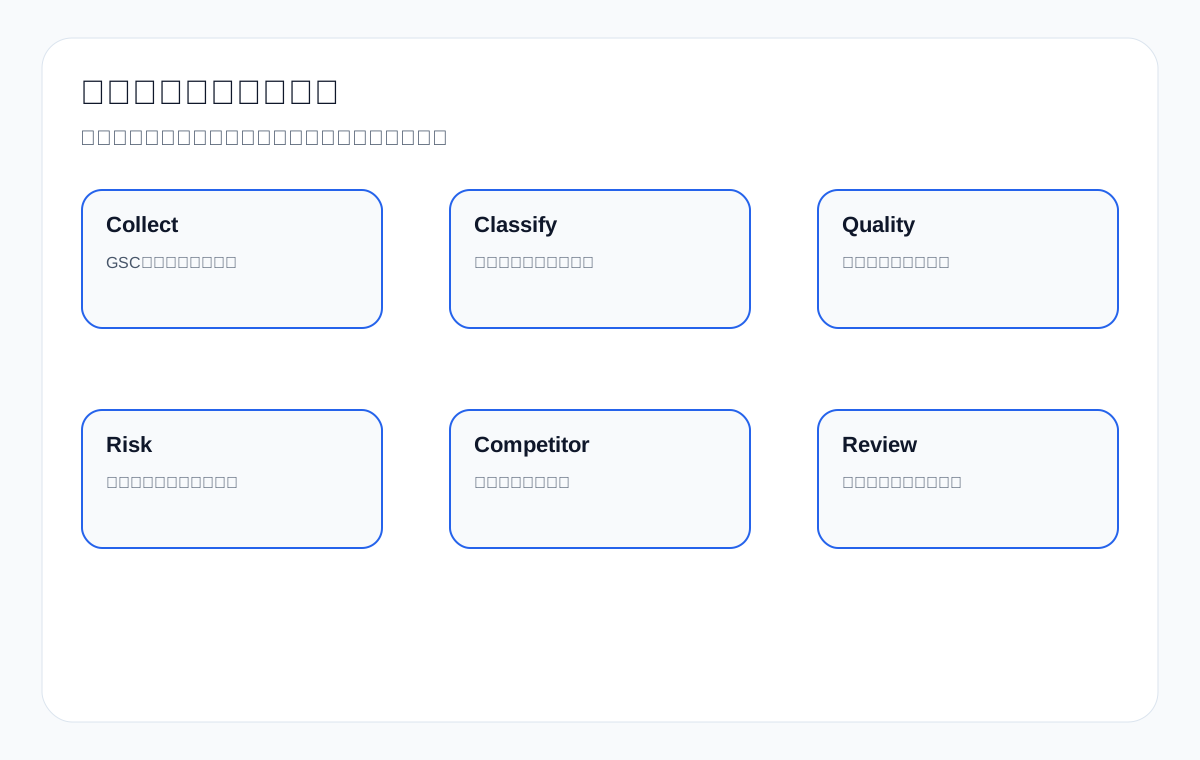
2. Benchmarking against the Top1 and authoritative references: what tool listicles get right and what export companies still lack
In current Google results, pages for terms like best backlink checker tools and backlink analysis tools are mostly covered by sites such as Backlinko, Semrush, Ahrefs, Moz, and Search Engine Land. The strength of these pages is complete tool coverage: they compare database size, link index speed, new and lost links, anchor text, authority scores, competitor gaps, and price. For someone learning about these tools for the first time, this kind of content is very helpful.
But these Top1 or authoritative pages usually have two gaps. First, most of them focus on tool features and the perspective of SEO practitioners, and they rarely explain how an export factory should analyze links around product pages, category pages, application pages, certificate pages, and resource download pages. Second, they tend to write backlink analysis as a checklist of metrics without connecting those metrics to business outcomes: which links help overseas buyers trust you, which links may just be database noise, and which competitor links can reasonably be earned through trade shows, associations, industry media, customer case studies, or technical documentation.
Top1 / authoritative benchmark comparison card
| Benchmark type | Strengths | Common gaps | How this article adds to it |
|---|---|---|---|
| Backlinko / tool listicles | Broad tool coverage, good for quickly understanding product features | Lacks export page and inquiry scenarios | Adds product terms, page roles, and business review |
| Semrush Backlink Audit | Clear risk scoring, toxic links, anchor text, and export workflow | Can mislead companies into thinking the score is the final verdict | Adds manual judgment, Google boundaries, and an observation process |
| Ahrefs Backlink Checker | Strong referring domain, linking page, and competitor gap analysis | Insufficient classification of export industry opportunities | Adds an opportunity map for associations, trade shows, industry directories, and resource pages |
| Moz / Majestic | Mature metrics such as authority scores, Trust Flow, and Citation Flow | The link between metrics and buyer trust needs explanation | Turns metrics into judgments about relevance, real traffic, and page value |
| Google link spam / disavow documentation | Provides risk-handling boundaries | Does not tell companies how to run day-to-day audits | Turns it into a keep, observe, and disavow decision process |
3. First, be clear: backlink analysis tools are not ranking-guarantee tools
Backlinks are still one of the signals Google uses to understand the credibility of a page and a website, but backlink analysis tools cannot promise that a page will rise to a certain position, nor can they replace product, content, technical, and brand fundamentals. For an export company, the correct expectation is: backlink analysis helps you see your current link assets, risk signals, competitor sources, and trust-building opportunities, and then directs a limited budget toward more sensible pages and channels.
For example, if an industrial valve supplier website only has some directory links to its homepage, while its product pages, pressure test resource pages, and application scenario pages are not cited by any industry pages at all, then no matter how high the “total backlink count” in a tool report is, it may not help buyers understand specific capabilities. Conversely, a resource page about steam valve pressure test, if cited by industry media, engineering forums, standards explanation pages, or customer case studies, may have more business value even if the number of links is small.
What backlink analysis tools can and cannot do
| Can do | Cannot do | How export companies should understand it |
|---|---|---|
| Discover referring domains, linking pages, and anchor text | Cannot directly prove that a link will bring inquiries | Needs to be combined with GA4, inquiry sources, and page performance |
| Identify abnormal link growth and risky sources | Cannot automatically treat every low-scoring link as harmful | Requires manual judgment of relevance and historical context |
| Compare competitor link sources | Cannot guarantee the same result if you copy them | Depends on your own content assets and relationship-building capacity |
| Monitor new and lost links | Cannot replace content updates and page quality | Link changes should be read together with pages, brand, and marketing activity |
| Help judge when a page lacks authority | Cannot replace product evidence and buyer trust | Backlinks must work together with specifications, certificates, case studies, and resource pages |
4. How common backlink analysis tools divide the work
Different tools use different data sources and metric definitions, so it is not advisable to rely on a single tool for a final judgment. Google Search Console shows the subset of links Google discloses to site owners, which makes it suitable for basic verification; Ahrefs and Semrush are good for competitor gaps, referring domains, anchor text, and new and lost links; Moz can help you look at Domain Authority and Spam Score; Majestic is better for Trust Flow, Citation Flow, and topical relevance; and Screaming Frog or an on-site crawler can be used alongside them to check whether a linked page returns 200, whether it redirects, and whether it has canonical issues.
Backlink tool division-of-labor table
| Tool | What it is good for | Typical use for export companies | Notes |
|---|---|---|---|
| Google Search Console | External links Google has discovered, top linked pages, top linking text | Verify whether the site’s main pages have natural external links | Data is incomplete and not suitable for competitor comparison |
| Ahrefs | referring domains, DR, anchors, best by links, link intersect | Break down which industry sites, directories, and media competitors get links from | DR is not the only standard for quality |
| Semrush | Backlink Audit, Authority Score, toxic markers, competitor gap | Risk audits and monthly monitoring | Toxic scores need manual review |
| Moz | Domain Authority, Page Authority, Spam Score | Help judge the overall quality and abnormal risk of a source site | DA is not an official Google metric |
| Majestic | Trust Flow, Citation Flow, Topical Trust Flow | See whether the source topic is close to your industry | Its database methodology differs from other tools |
| On-site crawler | Status of linked pages, redirects, canonical tags, internal link paths | Avoid letting good links point to 404s or worthless pages | Needs to be used together with backlink data |
If the budget is limited, you can use GSC for a basic inventory, then use Ahrefs or Semrush for a short period for competitor and risk analysis. What really matters is not having more tools, but being able to turn every metric into an action: keep, fix, observe, pursue similar links, add page evidence, adjust internal links, or update the target page.
5. Step one of a backlink audit: group links by page role
Many companies open a tool and immediately look at domain scores, but that is the wrong order. An export website should first look at which pages the links point to: homepage, category pages, product pages, application pages, article pages, certificate pages, resource pages, About page, and inquiry page. Different pages have different link value and therefore different judgment criteria.
Auditing by page role
| Page type | What kind of links it should earn | Abnormal signals | Next action |
|---|---|---|---|
| Homepage | Brand, company introduction, directories, trade shows, media coverage | Large amounts of irrelevant anchor text or gambling/adult sources | Identify risks and add brand entity information |
| Category page | Industry directories, buying guides, product features, application scenario citations | Only the homepage has links, category pages have no external signals at all | Build category page resources and industry guides |
| Product page | Reviews, application case studies, customer materials, technical specification citations | Links point to discontinued products or 404s | Fix status codes and add specification tables |
| Application page | Industry media, engineering solutions, trade show materials, solution articles | Application pages have no external citations | Add case boundaries and application notes |
| Resource page | Certificates, white papers, selection tables, and downloadable resources are cited | PDFs are inaccessible or have no text description | Build crawlable resource pages and download entry points |
| Inquiry page | Usually does not pursue many backlinks | Spam links concentrate on the form page | Check security and form usability |
For example, on a packaging machine website, if backlinks mainly point to an old blog post while the powder filling machine category page that actually converts inquiries has no relevant links, that shows the backlink assets are disconnected from the business pages. The audit conclusion should not be “build more links”, but rather first judge which pages are worth citing and then fill in the page content and resources.
6. Backlink quality scoring: don’t just look at DR, look at five dimensions
Metrics such as DR, DA, Authority Score, and Trust Flow can be used as references, but they cannot replace quality judgment. Export companies should score on five dimensions: industry relevance, target market relevance, linking page quality, anchor text naturalness, and real visit or brand exposure potential.
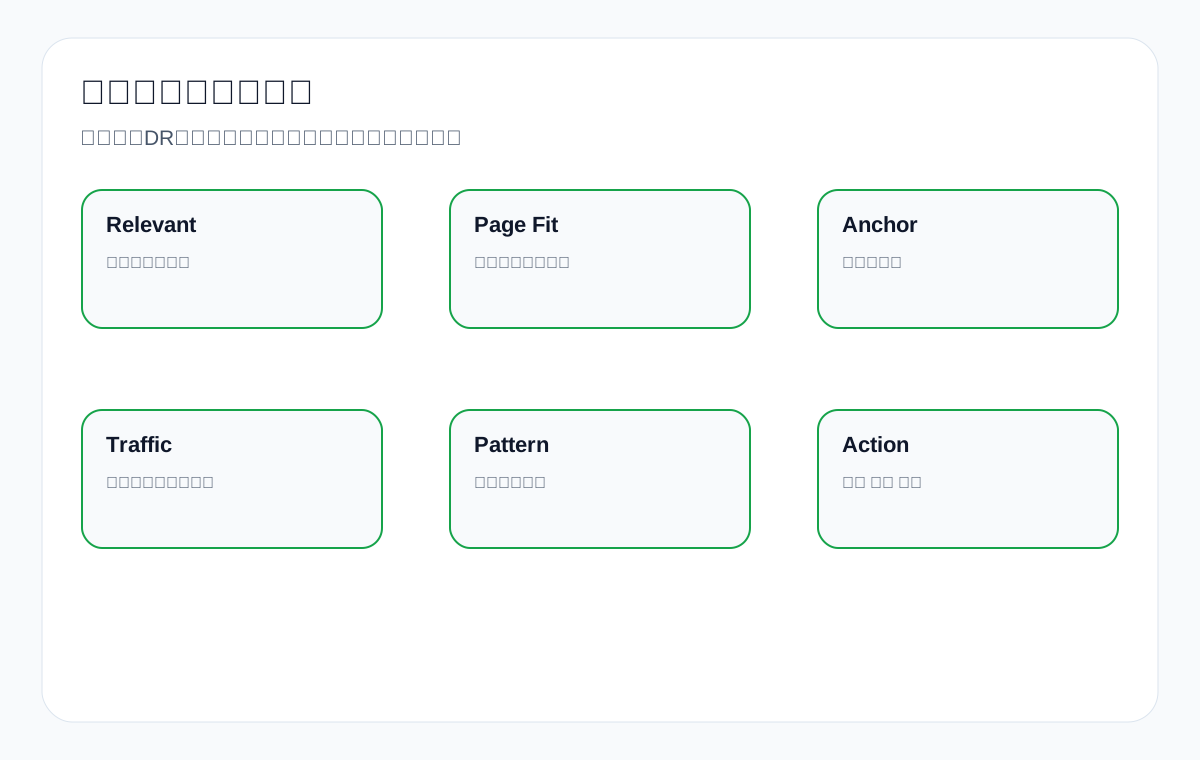
Backlink quality scoring table
| Dimension | 5-point performance | 3-point performance | 1-point performance |
|---|---|---|---|
| Industry relevance | The source page is directly related to the product, industry, or application | The source site is broadly related but the page is generic | Completely unrelated or mixed with spam content |
| Target market | Comes from an industry site, association, media outlet, or buying directory in the target country | Country mismatch but language and industry are close | Source country and language are completely abnormal |
| Page quality | The page has real content, signs of editing, and value for visitors | The page is short but not obviously spam | Mass-generated, no body text, packed with ads |
| Anchor text | Brand, URL, natural product terms, or contextual citations | Some commercial terms but a low proportion | Large amounts of repeated exact-match commercial anchor text |
| Visit potential | The source page may be seen by buyers or cited by the industry | Low traffic but credible | No real visits or trust value at all |
You can score out of 25 points. A score above 20 is usually worth keeping and studying for a replication path; 15 to 19 can be observed; 10 to 14 needs to be judged together with the growth pattern and anchor text; and for anything below 10, if the volume is large, the pattern is abnormal, and the sources are irrelevant, it should go into risk review.
7. Risk identification: which links to observe and which may need handling
Backlink risk is not about handling a low score the moment you see it. Google has its own systems for identifying spam links, and many low-quality links may simply be ignored. What export companies really need to watch are links that are patterned, large-scale, clearly manipulative, or related to past activity: large numbers of the same anchor text, the same source type, a sudden surge at the same time, irrelevant languages and industries, obvious link farms, hacked pages, malicious sites, or low-quality links that were actively bought in the past.
Backlink risk classification matrix
| Risk level | Typical signs | Recommended action | Notes |
|---|---|---|---|
| Low risk | A small number of irrelevant low-quality links, natural crawler noise | Just record them; no rush to act | Don’t be overly anxious |
| Medium risk | A larger number of a certain kind of directory or low-quality site, but anchor text is fairly natural | Watch the trend and tag the source type | Cross-check with GSC and third-party tools |
| Relatively high risk | Large amounts of exact-match commercial anchor text pointing to core pages | Manually review the sources and past activity | Contact sites for removal or prepare a disavow file if necessary |
| High risk | Obvious link farms, hacked sites, adult or gambling sites, and malicious redirects appear in clusters | Isolate them into a list and evaluate disavowal | Don’t accidentally disavow real industry links |
| Historical risk | Low-quality links were actively built in the past and at a large scale | Compile sources, timing, anchor text, and target pages | Handle cautiously according to Google documentation |
The key here is “pattern”. A single irrelevant link is usually not a problem; a batch of irrelevant links, the same anchor text, the same target page, appearing at the same time, deserves attention. Before taking action, save the data evidence, including source URLs, target URLs, anchor text, when they were first discovered, tool flags, manual judgment, and recommended action.
8. How to decide on disavowing links: don’t treat disavow as an everyday button
Google’s disavow links tool is a risk-handling tool, not an everyday optimization button. For most normal export websites, there is no need to submit a disavow file frequently. Only when you have a clear history of spam links, have received a manual action, or have large-scale manipulative links that cannot be removed should you evaluate it carefully.
Disavow decision flow
| Question | If yes | If no |
|---|---|---|
| Have you received a Google manual action notice? | First compile links and remediation records according to the notice | Move on to the next question |
| Do historical, actively built low-quality links exist? | Compile sources, anchor text, timing, and target pages | Do not act on tool scores alone |
| Are the links large-scale with an obvious pattern? | Review manually and group them | Just record and observe |
| Can you contact the site to remove them? | Try removal first and keep records | Evaluate whether disavowal is needed |
| Could disavowal accidentally harm real industry links? | Carefully exclude high-value sources | Generate a domain-level or URL-level list |
Export companies in particular should avoid two mistakes: first, disavowing every low-DA or low-DR link; second, being scared by a tool’s toxic score and submitting a file without manual review. Tool scores are leads, not final conclusions.
9. Competitor backlink analysis: don’t copy links, understand source types
The point of competitor backlink analysis is not to copy every competitor link, but to understand why they earned those links. Common high-value sources in the export industry include: industry associations, trade show directories, B2B directories, industry media, customer case studies, technical resource pages, buying guides, standards organizations, supply chain partners, university or laboratory resources, product reviews, installation guides, tool pages, and data sheets.
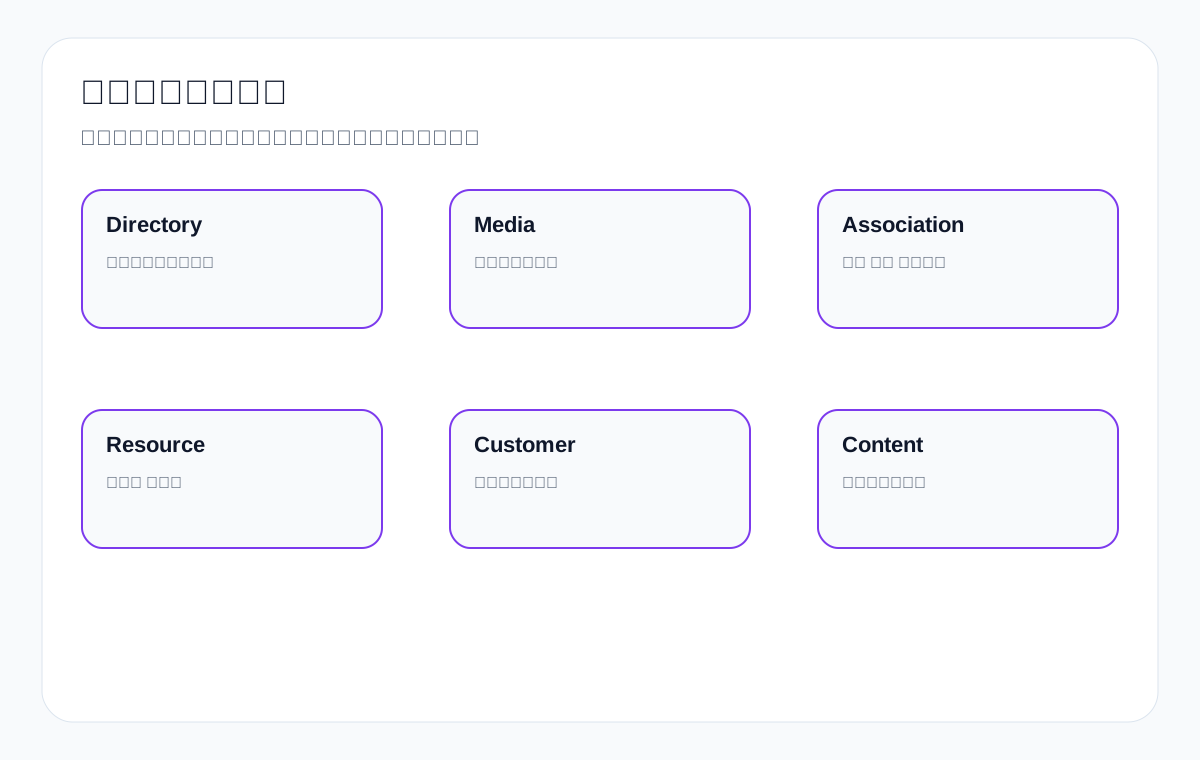
Competitor backlink source classification table
| Source type | Why competitors can earn it | What you can do | Suitable pages |
|---|---|---|---|
| Industry directory | Clear product categories and complete company information | Improve your English materials and submit to real directories | Homepage, category pages |
| Trade show page | Exhibiting history, exhibit catalogs, press releases | Prepare English trade show introductions and product materials | About page, product pages |
| Industry media | New products, case studies, technical viewpoints | Provide selection guides, application stories, or resources | Application pages, article pages |
| Association / standards organization | Participation in industry activities or citations in standards documents | Add certificates, testing, and standards explanations | Resource pages, quality pages |
| Customers / partners | Public cooperation relationships | Compile customer industry case studies and partner pages | Case study pages, application pages |
| Resource page | Provides downloadable tables, tools, or white papers | Create specification sheets, selection tables, and checklists | Resource pages, tool pages |
For example, if a waterproof connector competitor earns links from pages like outdoor lighting association, marine equipment directory, and IP rating guide, what you should analyze is whether it has a clearer IP rating explanation, application images, specification tables, and certificate descriptions — not just ask “can we buy that link too”. High-quality links often come from citable content assets.
10. Common link opportunities for export companies: design by industry and page
Export industry link opportunity list
| Product / industry | Content assets you can build | Potential link sources | Review metrics |
|---|---|---|---|
| custom metal parts | Material and tolerance selection tables, surface finishing guides | Engineering blogs, manufacturing directories, prototyping resource pages | Resource page citations, RFQ sources |
| LED flood light | Warehouse lighting selection, lumen and mounting height tables | Lighting associations, construction media, buying guides | Application page visits, inquiry product fields |
| packaging machine | Material compatibility tables, capacity calculation tables, maintenance checklists | Packaging industry media, trade show directories, equipment selection pages | Category page impressions, resource downloads |
| medical probe | Quality processes, material descriptions, OEM development steps | Medical device directories, compliance resources, R&D resources | Resource page time on page and form events |
| ceramic dinnerware | Food-contact standards, packaging and breakage rate explanations | Home media, foodservice buying guides, importer directories | Brand searches and product page visits |
| waterproof connector | IP rating explanations, application scenario images, installation notes | Outdoor lighting, marine, and automation industry resource pages | AI citations, product page clicks |
These opportunities cannot be completed with a single article; they usually require product materials, images, tables, videos, case studies, and English pages working together. Backlink analysis tools can tell you which sources competitors already have, but whether you can earn a link depends on whether you have page assets worth citing.
11. Anchor text analysis: natural matters more than exact
Anchor text is an important signal in backlink risk assessment. Natural links usually contain brand names, URLs, company names, broad product categories, contextual descriptions, or ordinary phrases like “read more”. Higher-risk anchor text tends to be large amounts of repeated exact commercial terms, especially when they point to the same page in a concentrated period.
Anchor text judgment table
| Anchor text type | Example | Judgment | Recommendation |
|---|---|---|---|
| Brand anchor text | Tianwen Lighting / examplebrand.com | Usually natural | Keep the brand entity consistent |
| URL anchor text | https://example.com/led-flood-light/ | A common natural citation | Check the target page status |
| Broad product category | LED flood light supplier | Acceptable, but watch the proportion | Avoid over-concentration |
| Long-tail description | IP67 waterproof connector for outdoor lighting | Higher value if the context is relevant | Make sure the page content matches |
| Repeated exact commercial terms | best cheap packaging machine supplier | Relatively high risk | Check the sources and growth pattern |
| Irrelevant terms | casino bonus / adult keyword | Clearly abnormal | Add to the risk list |
Export companies should not try to make every link use the target keyword. A more natural link profile should include brand, URL, product category, resource title, and contextual descriptions. New sites in particular should be cautious if large amounts of exact commercial anchor text appear in a short period.
12. Link growth curve: look at the trend, not one day’s count
Both new and lost links need to be read against a timeline. Link growth for export companies is usually tied to trade shows, news, product launches, directory listings, media coverage, partner pages, and resource launches. If a large number of the same type of links suddenly appears without any marketing activity, the sources need to be reviewed.
Link growth trend judgment table
| Trend | Possible cause | Recommended action |
|---|---|---|
| Slow, steady growth | Content assets, directory listings, accumulated brand exposure | Keep monitoring source quality and page performance |
| Growth during a trade show | Trade show directories, press releases, exhibitor pages | Check whether the links point to the right pages |
| Growth after a resource page goes live | A white paper, selection table, or tool gets cited | Strengthen internal links to the resource page and inquiry entry points |
| Sudden abnormal spike in the short term | Spam links, crawler sites, negative attacks, or past activity | Review by grouping source types and anchor text |
| Loss of high-value links | Page redesign, 404, removal by the other site, redirect errors | Contact them to restore it or fix the target page |
Lost links also matter a lot. For example, if an industry media link used to point to a cnc machining parts resource page and becomes a 404 after a redesign, that not only wastes the link’s value but also hurts the buyer experience. A backlink audit should look at lost links and on-site status codes together.
13. Combine backlink data with GSC, GA4, and inquiry sources
Backlink analysis cannot stay inside the tool. Whether a link is worth further investment depends on whether it helps the page gain more impressions, clicks, visits, resource downloads, inquiries, or brand searches. For an export website, it is advisable to review backlink data together with GSC, GA4, and inquiry sources every month.
Backlink review metric combination
| Data source | What to look at | Possible action |
|---|---|---|
| Backlink tool | New referring domains, lost links, anchor text, target pages | Find opportunities, risks, and fixes |
| GSC | Impressions, clicks, and query changes for linked pages | Adjust titles, FAQs, and content depth |
| GA4 | Referral visits, landing pages, events, downloads, forms | Judge whether a link has real visit value |
| Inquiry system | Customer country, product, quantity, source page | Identify high-value channels and pages |
| AI answer sampling | Whether a resource page or brand is cited in answers | Add evidence modules and entity information |
For example, if an industry directory brings few referral visits but the inquiries are high quality, its buyer audience is precise; if a high-DR website brings a lot of visits but no inquiries, the audience may not match; and if a resource page gets little obvious traffic but is cited by AI answers or industry articles, it may still be a long-term brand trust asset.
14. A 30-day backlink audit process
30-day backlink audit plan
| Stage | Task | Deliverable | Acceptance focus |
|---|---|---|---|
| Days 1-3 | Export GSC and third-party backlink data | A merged link list | Referring domains, target pages, and anchor text are complete |
| Days 4-7 | Group by page role and source type | A page link distribution table | Whether the differences between homepage, product pages, and resource pages are visible |
| Days 8-12 | Quality scoring and risk classification | A quality scoring table and risk list | Whether there was manual review rather than just looking at scores |
| Days 13-18 | Break down competitor backlink sources | An opportunity map and replicable sources | Whether they are classified by industry and page assets |
| Days 19-24 | Fix lost links and on-site issues | A fix list for 404s, redirects, canonical tags, and internal links | Whether existing links are kept from going to waste |
| Days 25-30 | Review together with GSC / GA4 / inquiries | Monthly recommendations and next actions | Whether an actionable priority order is produced |
The point of this process is to audit first, then act. Do not rush to build new links without page assets, without a risk review, and without classifying competitor sources. The closer backlinks are to the industry and the buying scenario, the more they need to be supported by product, content, and business materials.
15. Common mistakes: where backlink analysis most easily goes wrong
Common backlink analysis mistakes
| Mistake | Why it’s wrong | Correct approach |
|---|---|---|
| Looking only at DR or DA | Third-party scores are not official Google metrics | Combine relevance, page quality, anchor text, and visit potential |
| Panicking at the sight of low-quality links | Much of the noise may be ignored | Look at scale, pattern, and past activity |
| Mechanically copying competitor links | Sources usually require content assets or real relationships | Understand source types and build citable pages |
| Pointing every link at the homepage | Core product pages lack signals | Distribute links and internal links by page role |
| Chasing exact keyword anchor text | It easily creates abnormal patterns | Keep a mix of brand, URL, natural descriptions, and product terms |
| Keeping backlinks separate from inquiries | You cannot judge business value | Review together with GA4, inquiry fields, and sales feedback |
The maturity of backlink analysis shows in whether you can turn “tool data” into “page actions”. If a report contains nothing but a pile of scores, curves, and exported tables, and does not tell you which pages need fixing, which opportunities are worth pursuing, and which risks need watching, then the analysis is not yet practical enough.
16. FAQ: common questions about backlink analysis tools and export website link audits
Which backlink analysis tool is the best?
There is no single best one. GSC is good for looking at the links Google discloses to site owners, Ahrefs and Semrush are good for competitor and risk audits, and Moz and Majestic help judge authority and topical relevance. Export companies should combine them according to budget and task.
Are high-DR links always good?
Not necessarily. A link with high DR but no industry relevance, no real content on the page, abnormal anchor text, or a mismatched audience may have very low business value. A low-DR link from a precise industry association, trade show directory, or customer case study may carry more trust value.
Should I disavow toxic links right away?
Don’t act on tool scores alone. First look at scale, pattern, anchor text, source type, past activity, and whether you have received a manual action notice. In most cases, record and observe first, then handle cautiously according to Google documentation if necessary.
Can I copy all of a competitor’s backlinks?
No. A competitor’s links may come from real partnerships, content assets, trade shows, media relationships, or accumulated brand history. You should first classify them by source type, then judge which ones can reasonably be pursued through better resource pages, industry content, or business cooperation.
Should a new export website build backlinks first?
A new site can do basic brand and directory building, but it is more important to first get its product pages, category pages, application pages, resource pages, and inquiry paths right. Without citable content assets, backlink building easily turns into low-value action.
Are more backlinks always better?
No. Relevance, quality, natural growth, and page matching matter more. Large numbers of irrelevant links may have no value and can even become a risk signal.
How often should backlink analysis be done?
Basic monitoring can be monthly; when there is a major redesign, a trade show, abnormal link growth, or unusual ranking or inquiry performance, you should review it ad hoc. Core competitors can be broken down by source once a quarter.
Is it worth building backlinks to export product pages?
Yes, but only if the product page has specifications, applications, certificates, FAQs, images, and a clear inquiry path. Otherwise it is better to build category pages, application pages, or resource pages first and then pass link value to product pages through internal links.
Do lost links need to be handled?
Losing high-value links is worth handling, especially links from industry media, associations, customer case studies, and resource page citations. First confirm whether the cause is a 404, a redirect, a redesign, or removal by the other site, then decide whether to fix it or contact them to restore it.
Is backlink analysis related to AI search visibility?
Yes. AI answers may reference public web pages, brand mentions, and credible sources. External signals such as industry media, resource pages, association pages, and customer case studies help make a company entity and product documentation more discoverable, but they cannot guarantee that a particular AI answer will always cite you.
17. Final checklist: 12 things to review every month in an export website backlink analysis
- Are the top linked pages in GSC still important pages?
- Are new referring domains relevant to the industry, product, or target market?
- Among lost links, are there industry media, association, trade show, or customer case sources?
- Is the anchor text natural, and are there large amounts of repeated exact commercial terms?
- Do core product pages, category pages, application pages, and resource pages have external signals?
- Do backlinks point to 404s, redirect chains, discontinued products, or worthless pages?
- Which source types are competitors’ new links coming from?
- Which competitor sources can reasonably be pursued through resource pages, guides, trade shows, or directories?
- Do risky links form a large-scale pattern?
- Do referral visits produce resource downloads, form events, or valid inquiries?
- Are backlink changes in sync with GSC impressions, GA4 visits, and inquiry quality?
- Are next month’s priority link tasks — fix, pursue, and observe — clearly defined?
If you can steadily review these 12 items every month, backlink analysis stops being a data table in a tool and becomes part of trust building, product page optimization, and competitor opportunity discovery for an export website. Good backlink analysis does not push a company to blindly chase volume; it helps you judge which links are worth keeping, which risks need watching, which pages need strengthening, and which industry sources are worth cultivating long term.
18. How to accept a backlink analysis report: don’t just take a tool export
If an export company hires an outside team to do backlink analysis, the acceptance focus should not be “how many rows of data were exported”, but whether the report helps you make decisions. A usable backlink analysis report should answer at least five questions: which links are existing assets, which links may be risky, which links are wasted on the wrong pages, which competitor sources are worth pursuing, and which pages need content added before pursuing links.
For example, if your flagship product is cnc machining parts, the report should not just say a competitor has 300 referring domains; it should point out how many of those sources come from manufacturing directories, engineering media, prototyping resource pages, customer case studies, trade show directories, and supply chain partner pages; which sources can be pursued by improving tolerance tables, material guides, surface finishing descriptions, and case study materials; and which sources are just low-quality directories not worth the investment. Only that kind of report has business judgment value.
Backlink analysis report acceptance table
| Report module | Must include | Failing signs | Acceptance question |
|---|---|---|---|
| Data source description | Which methodology was used: GSC, Ahrefs, Semrush, Moz, or Majestic | Only conclusions, no data source | Which tool does this data come from, and when was it updated? |
| Page distribution | Link distribution across homepage, category pages, product pages, and resource pages | Only looking at whole-site domain counts | Do our core inquiry pages have external signals? |
| Quality judgment | Relevance, target market, page quality, anchor text, visit potential | Sorting only by DR or DA | Why does this link have business value? |
| Risk list | Risk level, source type, anchor text, target page, recommended action | Listing every low-scoring link as harmful | Which ones need observation and which really need handling? |
| Competitor opportunities | Source type, why they earned it, a replicable path, required page assets | Just copying a list of competitor URLs | What content do we need to build first to pursue similar links? |
| Execution priority | This month’s tasks to fix, pursue, observe, and drop | No next actions | Which page should we fix, or which source should we contact, first next week? |
During acceptance, also check whether the report uses your real product terms and pages. If the report never mentions terms related to your business, such as LED flood light, packaging machine, waterproof connector, and ceramic dinnerware, and only talks about generic metrics, then the analysis has not yet entered the export buying scenario.
19. What to do when existing backlinks point to the wrong pages
A backlink audit often uncovers an overlooked problem: good links point to the wrong pages. For example, industry media cites an old product page, a trade show directory points to a homepage with no content, a customer case study links to a URL that has been deleted, or a certificate resource page returns a 404 after a redesign. These problems do not require new links and can release the value of existing assets through fixes.
Backlink page fix decision table
| Problem | How to judge | Fix action | Review metric |
|---|---|---|---|
| The link points to a 404 | Check status codes with the backlink tool plus an on-site crawler | Restore the page or 301 to the closest new page | GSC coverage, target page visits, link retained |
| The link points to a discontinued product | Check whether the product is discontinued or the page still has search value | Add replacement product information and internal links | Product page clicks and changes in inquiry fields |
| The link points to the homepage but the topic is specific | Does the source context mention a specific product or application? | Contact them to change the link or add a clear entry point on the homepage | Category page visits and path clicks |
| The link points to a PDF but no web page supports it | Does the PDF have specifications, certificates, or selection resources? | Build a crawlable resource page and keep the download entry point | Resource page impressions, download events, AI citations |
| The linked page content is too thin | Does the page lack specifications, FAQs, applications, or certificate descriptions? | Add evidence modules and inquiry entry points | Time on page, scroll, form clicks, inquiry quality |
Fixing existing backlinks usually shows results faster than pursuing new links, because the source already exists. Export companies should check the target pages of high-value backlinks at least once a quarter, especially links related to trade shows, media, associations, customer case studies, and resource downloads.
20. Backlink analysis priorities at different export business stages
New sites, growing sites, and mature sites have different backlink analysis priorities. A new site needs to build brand and basic credible sources; a growing site needs to pursue relevant links around core product pages and resource pages; and a mature site needs risk monitoring, competitor gap analysis, and link asset repair. Measuring every stage with the same set of metrics easily leads to misjudgment.
| Stage | Typical problem | Backlink analysis focus | Recommended action |
|---|---|---|---|
| New site, 0-6 months | The brand and products have no external signals yet | Basic directories, trade shows, social media, supply chain partners, GSC link discovery | First improve the brand entity, product catalog, and resource pages |
| Growing site, 6-18 months | The homepage has links, but product pages are weak | Whether category pages, application pages, and resource pages earn relevant citations | Build citable content and pursue industry sources |
| Mature site, 18+ months | Link assets are scattered, and historical risk and lost links increase | Lost links, abnormal growth, competitor gaps, page fixes | Set up monthly monitoring and quarterly competitor reviews |
| Multi-product-line website | Link distribution across product lines is uneven | Track sources and page performance by product line | Prioritize the flagship high-margin product lines |
| Brand transition or redesign | Old URLs and old brand materials remain | 404s, redirects, brand anchor text, entity consistency | Migrate links and unify the brand name |
For example, a new private label activewear manufacturer site should not chase large numbers of media links from the start; it should first improve its product categories, fabric resources, sampling process, packaging options, and basic directory information. A ten-year-old industrial valve supplier, on the other hand, should first check old media links, trade show pages, PDF resources, and lost high-value links.
21. Backlink opportunity priorities: start with sources that can prove business value
There are many backlink opportunities, but budget and energy are limited. Export companies should prioritize sources closest to business value: target-market industry directories, real trade show materials, industry media, customer or partner pages, citations of downloadable resources, buying guides, and technical selection content. Low-relevance, high-noise links whose sources cannot be explained should not be put first even if there are many of them.
| Opportunity type | Priority | Why | Prerequisite |
|---|---|---|---|
| Target-market industry directory | High | Buyers may actually use it, and industry relevance is strong | Accurate English company information, product categories, and contact details |
| Trade show and association pages | High | They strengthen entity and industry participation signals | Exhibiting information, product introductions, exhibit materials |
| Technical resource page citations | High | They are easy for buyers, search systems, and AI answers to understand | Complete specification tables, certificate descriptions, and selection guides |
| Industry media coverage | Medium-high | It improves brand credibility and market exposure | New products, case studies, data, or viewpoints |
| Ordinary low-quality directories | Low | Relevance and visit value are unstable | Choose cautiously only as a basic supplement |
| Irrelevant high-scoring sites | Low | They look high-scoring but the business intent does not match | Usually should not be prioritized |
The final test is simple: will this link source make it easier for overseas buyers to understand your products and trust your company? If the answer is no, then even if the tool score looks good, it is not necessarily worth the investment.
{
“@context”: “https://schema.org”,
“@type”: “FAQPage”,
“mainEntity”: [
{
“@type”: “Question”,
“name”: “Query and real business question mappingnQuery typeExampleWhat the searcher wants to solveWhat this article providesnTool selectionbest backlink checker toolsChoosing among Ahrefs, Semrush, Moz, Majestic, or GSCTool division of labor, metric explanations, and how to combine themnQuality auditbacklink audit guideJudging whether links are good or bad and the riskQuality scoring table and risk classification matrixnCompetitor analysiscompetitor backlink analysisFinding where competitors get linksCompetitor source classification and replicable opportunitiesnRisk handlingtoxic backlink auditWhether low-quality links need to be disavowedThe observe, keep, and disavow decision processnExport implementationhow to use backlink analysis tools for export websitesConnecting backlinks with product pages, inquiries, and trust buildingPage roles, industry scenarios, and review metricsnn2. Benchmarking against the Top1 and authoritative references: what tool listicles get right and what export companies still lacknAmong current Google results, pages for terms like best backlink checker tools and backlink analysis tools are mostly covered by sites such as Backlinko, Semrush, Ahrefs, Moz, and Search Engine Land. The strength of these pages is complete tool coverage: they compare database size, link index speed, new and lost links, anchor text, authority scores, competitor gaps, and price. For someone learning about the tools for the first time, this kind of content is very helpful.nBut these Top1 or authoritative pages usually have two gaps. First, most of them focus on tool features and the perspective of SEO practitioners, and they rarely explain how an export factory should analyze links around product pages, category pages, application pages, certificate pages, and resource download pages. Second, they tend to write backlink analysis as a checklist of metrics without connecting those metrics to business outcomes: which links help overseas buyers trust you, which links may just be database noise, and which competitor links can reasonably be earned through trade shows, associations, industry media, customer case studies, or technical documentation.nTop1 / authoritative benchmark comparison cardnBenchmark typeStrengthsCommon gapsHow this article adds to itnBacklinko / tool listiclesBroad tool coverage, good for quickly understanding product featuresLacks export page and inquiry scenariosAdds product terms, page roles, and business reviewnSemrush Backlink AuditClear risk scoring, toxic links, anchor text, and export workflowCan mislead companies into thinking the score is the final verdictAdds manual judgment, Google boundaries, and an observation processnAhrefs Backlink CheckerStrong referring domain, linking page, and competitor gap analysisInsufficient classification of export industry opportunitiesAdds an opportunity map for associations, trade shows, industry directories, and resource pagesnMoz / MajesticMature metrics such as authority scores, Trust Flow, and Citation FlowThe link between metrics and buyer trust needs explanationTurns metrics into judgments about relevance, real traffic, and page valuenGoogle link spam / disavow documentationProvides risk-handling boundariesDoes not tell companies how to run day-to-day auditsTurns it into a keep, observe, and disavow decision processnn3. First, be clear: backlink analysis tools are not ranking-guarantee toolsnBacklinks are still one of the signals Google uses to understand the credibility of a page and a website, but backlink analysis tools cannot promise that a page will rise to a certain position, nor can they replace product, content, technical, and brand fundamentals. For an export company, the correct expectation is: backlink analysis helps you see your current link assets, risk signals, competitor sources, and trust-building opportunities, and then directs a limited budget toward more sensible pages and channels.nFor example, if an industrial valve supplier website only has some directory links to its homepage, while its product pages, pressure test resource pages, and application scenario pages are not cited by any industry pages at all, then no matter how high the total backlink count in a tool report is, it may not help buyers understand specific capabilities. Conversely, a resource page about steam valve pressure test, if cited by industry media, engineering forums, standards explanation pages, or customer case studies, may have more business value even if the number of links is small.nWhat backlink analysis tools can and cannot donCan doCannot doHow export companies should understand itnDiscover referring domains, linking pages, and anchor textCannot directly prove that a link will bring inquiriesNeeds to be combined with GA4, inquiry sources, and page performancenIdentify abnormal link growth and risky sourcesCannot automatically treat every low-scoring link as harmfulRequires manual judgment of relevance and historical contextnCompare competitor link sourcesCannot guarantee the same result if you copy themDepends on your own content assets and relationship-building capacitynMonitor new and lost linksCannot replace content updates and page qualityLink changes should be read together with pages, brand, and marketing activitynHelp judge when a page lacks authorityCannot replace product evidence and buyer trustBacklinks must work together with specifications, certificates, case studies, and resource pagesnn4. How common backlink analysis tools divide the worknDifferent tools use different data sources and metric definitions, so it is not advisable to rely on a single tool for a final judgment. Google Search Console shows the subset of links Google discloses to site owners, which makes it suitable for basic verification; Ahrefs and Semrush are good for competitor gaps, referring domains, anchor text, and new and lost links; Moz can help you look at Domain Authority and Spam Score; Majestic is better for Trust Flow, Citation Flow, and topical relevance; and Screaming Frog or an on-site crawler can be used alongside them to check whether a linked page returns 200, whether it redirects, and whether it has canonical issues.nBacklink tool division-of-labor tablenToolWhat it is good forTypical use for export companiesNotesnGoogle Search ConsoleExternal links Google has discovered, top linked pages, top linking textVerify whether the site’s main pages have natural external linksData is incomplete and not suitable for competitor comparisonnAhrefsreferring domains, DR, anchors, best by links, link intersectBreak down which industry sites, directories, and media competitors get links fromDR is not the only standard for qualitynSemrushBacklink Audit, Authority Score, toxic markers, competitor gapRisk audits and monthly monitoringToxic scores need manual reviewnMozDomain Authority, Page Authority, Spam ScoreHelp judge the overall quality and abnormal risk of a source siteDA is not an official Google metricnMajesticTrust Flow, Citation Flow, Topical Trust FlowSee whether the source topic is close to your industryIts database methodology differs from other toolsnOn-site crawlerStatus of linked pages, redirects, canonical tags, internal link pathsAvoid letting good links point to 404s or worthless pagesNeeds to be used together with backlink datannIf the budget is limited, you can use GSC for a basic inventory, then use Ahrefs or Semrush for a short period for competitor and risk analysis. What really matters is not having more tools, but being able to turn every metric into an action: keep, fix, observe, pursue similar links, add page evidence, adjust internal links, or update the target page.n5. Step one of a backlink audit: group links by page rolenMany companies open a tool and immediately look at domain scores, but that is the wrong order. An export website should first look at which pages the links point to: homepage, category pages, product pages, application pages, article pages, certificate pages, resource pages, About page, and inquiry page. Different pages have different link value and therefore different judgment criteria.nAuditing by page rolenPage typeWhat kind of links it should earnAbnormal signalsNext actionnHomepageBrand, company introduction, directories, trade shows, media coverageLarge amounts of irrelevant anchor text or gambling/adult sourcesIdentify risks and add brand entity informationnCategory pageIndustry directories, buying guides, product features, application scenario citationsOnly the homepage has links, category pages have no external signals at allBuild category page resources and industry guidesnProduct pageReviews, application case studies, customer materials, technical specification citationsLinks point to discontinued products or 404sFix status codes and add specification tablesnApplication pageIndustry media, engineering solutions, trade show materials, solution articlesApplication pages have no external citationsAdd case boundaries and application notesnResource pageCertificates, white papers, selection tables, and downloadable resources are citedPDFs are inaccessible or have no text descriptionBuild crawlable resource pages and download entry pointsnInquiry pageUsually does not pursue many backlinksSpam links concentrate on the form pageCheck security and form usabilitynnFor example, on a packaging machine website, if backlinks mainly point to an old blog post while the powder filling machine category page that actually converts inquiries has no relevant links, that shows the backlink assets are disconnected from the business pages. The audit conclusion should not be ‘build more links’, but rather first judge which pages are worth citing and then fill in the page content and resources.n6. Backlink quality scoring: don’t just look at DR, look at five dimensionsnMetrics such as DR, DA, Authority Score, and Trust Flow can be used as references, but they cannot replace quality judgment. Export companies should score on five dimensions: industry relevance, target market relevance, linking page quality, anchor text naturalness, and real visit or brand exposure potential.nFigure 2: High-quality backlinks are not just about high-scoring domains; they are industry-relevant, on the right page, natural in anchor text, and growing normally.nBacklink quality scoring tablenDimension5-point performance3-point performance1-point performancenIndustry relevanceThe source page is directly related to the product, industry, or applicationThe source site is broadly related but the page is genericCompletely unrelated or mixed with spam contentnTarget marketComes from an industry site, association, media outlet, or buying directory in the target countryCountry mismatch but language and industry are closeSource country and language are completely abnormalnPage qualityThe page has real content, signs of editing, and value for visitorsThe page is short but not obviously spamMass-generated, no body text, packed with adsnAnchor textBrand, URL, natural product terms, or contextual citationsSome commercial terms but a low proportionLarge amounts of repeated exact-match commercial anchor textnVisit potentialThe source page may be seen by buyers or cited by the industryLow traffic but credibleNo real visits or trust value at allnnYou can score out of 25 points. A score above 20 is usually worth keeping and studying for a replication path; 15 to 19 can be observed; 10 to 14 needs to be judged together with the growth pattern and anchor text; and for anything below 10, if the volume is large, the pattern is abnormal, and the sources are irrelevant, it should go into risk review.n7. Risk identification: which links to observe and which may need handlingnBacklink risk is not about handling a low score the moment you see it. Google has its own systems for identifying spam links, and many low-quality links may simply be ignored. What export companies really need to watch are links that are patterned, large-scale, clearly manipulative, or related to past activity: large numbers of the same anchor text, the same source type, a sudden surge at the same time, irrelevant languages and industries, obvious link farms, hacked pages, malicious sites, or low-quality links that were actively bought in the past.nBacklink risk classification matrixnRisk levelTypical signsRecommended actionNotesnLow riskA small number of irrelevant low-quality links, natural crawler noiseJust record them; no rush to actDon’t be overly anxiousnMedium riskA larger number of a certain kind of directory or low-quality site, but anchor text is fairly naturalWatch the trend and tag the source typeCross-check with GSC and third-party toolsnRelatively high riskLarge amounts of exact-match commercial anchor text pointing to core pagesManually review the sources and past activityContact sites for removal or prepare a disavow file if necessarynHigh riskObvious link farms, hacked sites, adult or gambling sites, and malicious redirects appear in clustersIsolate them into a list and evaluate disavowalDon’t accidentally disavow real industry linksnHistorical riskLow-quality links were actively built in the past and at a large scaleCompile sources, timing, anchor text, and target pagesHandle cautiously according to Google documentationnnThe key here is ‘pattern’. A single irrelevant link is usually not a problem; a batch of irrelevant links, the same anchor text, the same target page, appearing at the same time, deserves attention. Before taking action, save the data evidence, including source URLs, target URLs, anchor text, when they were first discovered, tool flags, manual judgment, and recommended action.n8. How to decide on disavowing links: don’t treat disavow as an everyday buttonnGoogle’s disavow links tool is a risk-handling tool, not an everyday optimization button. For most normal export websites, there is no need to submit a disavow file frequently. Only when you have a clear history of spam links, have received a manual action, or have large-scale manipulative links that cannot be removed should you evaluate it carefully.nDisavow decision flownQuestionIf yesIf nonHave you received a Google manual action notice?First compile links and remediation records according to the noticeMove on to the next questionnDo historical, actively built low-quality links exist?Compile sources, anchor text, timing, and target pagesDo not act on tool scores alonenAre the links large-scale with an obvious pattern?Review manually and group themJust record and observenCan you contact the site to remove them?Try removal first and keep recordsEvaluate whether disavowal is needednCould disavowal accidentally harm real industry links?Carefully exclude high-value sourcesGenerate a domain-level or URL-level listnnExport companies in particular should avoid two mistakes: first, disavowing every low-DA or low-DR link; second, being scared by a tool’s toxic score and submitting a file without manual review. Tool scores are leads, not final conclusions.n9. Competitor backlink analysis: don’t copy links, understand source typesnThe point of competitor backlink analysis is not to copy every competitor link, but to understand why they earned those links. Common high-value sources in the export industry include: industry associations, trade show directories, B2B directories, industry media, customer case studies, technical resource pages, buying guides, standards organizations, supply chain partners, university or laboratory resources, product reviews, installation guides, tool pages, and data sheets.nFigure 3: Competitor backlink sources should be broken down by opportunity type, not copied mechanically one by one.nCompetitor backlink source classification tablenSource typeWhy competitors can earn itWhat you can doSuitable pagesnIndustry directoryClear product categories and complete company informationImprove your English materials and submit to real directoriesHomepage, category pagesnTrade show pageExhibiting history, exhibit catalogs, press releasesPrepare English trade show introductions and product materialsAbout page, product pagesnIndustry mediaNew products, case studies, technical viewpointsProvide selection guides, application stories, or resourcesApplication pages, article pagesnAssociation / standards organizationParticipation in industry activities or citations in standards documentsAdd certificates, testing, and standards explanationsResource pages, quality pagesnCustomers / partnersPublic cooperation relationshipsCompile customer industry case studies and partner pagesCase study pages, application pagesnResource pageProvides downloadable tables, tools, or white papersCreate specification sheets, selection tables, and checklistsResource pages, tool pagesnnFor example, if a waterproof connector competitor earns links from pages like outdoor lighting association, marine equipment directory, and IP rating guide, what you should analyze is whether it has a clearer IP rating explanation, application images, specification tables, and certificate descriptions, not just ask ‘can we buy that link too’. High-quality links often come from citable content assets.n10. Common link opportunities for export companies: design by industry and pagenExport industry link opportunity listnProduct / industryContent assets you can buildPotential link sourcesReview metricsncustom metal partsMaterial and tolerance selection tables, surface finishing guidesEngineering blogs, manufacturing directories, prototyping resource pagesResource page citations, RFQ sourcesnLED flood lightWarehouse lighting selection, lumen and mounting height tablesLighting associations, construction media, buying guidesApplication page visits, inquiry product fieldsnpackaging machineMaterial compatibility tables, capacity calculation tables, maintenance checklistsPackaging industry media, trade show directories, equipment selection pagesCategory page impressions, resource downloadsnmedical probeQuality processes, material descriptions, OEM development stepsMedical device directories, compliance resources, R&D resourcesResource page time on page and form eventsnceramic dinnerwareFood-contact standards, packaging and breakage rate explanationsHome media, foodservice buying guides, importer directoriesBrand searches and product page visitsnwaterproof connectorIP rating explanations, application scenario images, installation notesOutdoor lighting, marine, and automation industry resource pagesAI citations, product page clicksnnThese opportunities cannot be completed with a single article; they usually require product materials, images, tables, videos, case studies, and English pages working together. Backlink analysis tools can tell you which sources competitors already have, but whether you can earn a link depends on whether you have page assets worth citing.n11. Anchor text analysis: natural matters more than exactnAnchor text is an important signal in backlink risk assessment. Natural links usually contain brand names, URLs, company names, broad product categories, contextual descriptions, or ordinary phrases like ‘read more’. Higher-risk anchor text tends to be large amounts of repeated exact commercial terms, especially when they point to the same page in a concentrated period.nAnchor text judgment tablenAnchor text typeExampleJudgmentRecommendationnBrand anchor textTianwen Lighting / examplebrand.comUsually naturalKeep the brand entity consistentnURL anchor texthttps://example.com/led-flood-light/A common natural citationCheck the target page statusnBroad product categoryLED flood light supplierAcceptable, but watch the proportionAvoid over-concentrationnLong-tail descriptionIP67 waterproof connector for outdoor lightingHigher value if the context is relevantMake sure the page content matchesnRepeated exact commercial termsbest cheap packaging machine supplierRelatively high riskCheck the sources and growth patternnIrrelevant termscasino bonus / adult keywordClearly abnormalAdd to the risk listnnExport companies should not try to make every link use the target keyword. A more natural link profile should include brand, URL, product category, resource title, and contextual descriptions. New sites in particular should be cautious if large amounts of exact commercial anchor text appear in a short period.n12. Link growth curve: look at the trend, not one day’s countnBoth new and lost links need to be read against a timeline. Link growth for export companies is usually tied to trade shows, news, product launches, directory listings, media coverage, partner pages, and resource launches. If a large number of the same type of links suddenly appears without any marketing activity, the sources need to be reviewed.nLink growth trend judgment tablenTrendPossible causeRecommended actionnSlow, steady growthContent assets, directory listings, accumulated brand exposureKeep monitoring source quality and page performancenGrowth during a trade showTrade show directories, press releases, exhibitor pagesCheck whether the links point to the right pagesnGrowth after a resource page goes liveA white paper, selection table, or tool gets citedStrengthen internal links to the resource page and inquiry entry pointsnSudden abnormal spike in the short termSpam links, crawler sites, negative attacks, or past activityReview by grouping source types and anchor textnLoss of high-value linksPage redesign, 404, removal by the other site, redirect errorsContact them to restore it or fix the target pagennLost links also matter a lot. For example, if an industry media link used to point to a cnc machining parts resource page and becomes a 404 after a redesign, that not only wastes the link’s value but also hurts the buyer experience. A backlink audit should look at lost links and on-site status codes together.n13. Combine backlink data with GSC, GA4, and inquiry sourcesnBacklink analysis cannot stay inside the tool. Whether a link is worth further investment depends on whether it helps the page gain more impressions, clicks, visits, resource downloads, inquiries, or brand searches. For an export website, it is advisable to review backlink data together with GSC, GA4, and inquiry sources every month.nBacklink review metric combinationnData sourceWhat to look atPossible actionnBacklink toolNew referring domains, lost links, anchor text, target pagesFind opportunities, risks, and fixesnGSCImpressions, clicks, and query changes for linked pagesAdjust titles, FAQs, and content depthnGA4Referral visits, landing pages, events, downloads, formsJudge whether a link has real visit valuenInquiry systemCustomer country, product, quantity, source pageIdentify high-value channels and pagesnAI answer samplingWhether a resource page or brand is cited in answersAdd evidence modules and entity informationnnFor example, if an industry directory brings few referral visits but the inquiries are high quality, its buyer audience is precise; if a high-DR website brings a lot of visits but no inquiries, the audience may not match; and if a resource page gets little obvious traffic but is cited by AI answers or industry articles, it may still be a long-term brand trust asset.n14. A 30-day backlink audit processn30-day backlink audit plannStageTaskDeliverableAcceptance focusnDays 1-3Export GSC and third-party backlink dataA merged link listReferring domains, target pages, and anchor text are completenDays 4-7Group by page role and source typeA page link distribution tableWhether the differences between homepage, product pages, and resource pages are visiblenDays 8-12Quality scoring and risk classificationA quality scoring table and risk listWhether there was manual review rather than just looking at scoresnDays 13-18Break down competitor backlink sourcesAn opportunity map and replicable sourcesWhether they are classified by industry and page assetsnDays 19-24Fix lost links and on-site issuesA fix list for 404s, redirects, canonical tags, and internal linksWhether existing links are kept from going to wastenDays 25-30Review together with GSC / GA4 / inquiriesMonthly recommendations and next actionsWhether an actionable priority order is producednnThe point of this process is to audit first, then act. Do not rush to build new links without page assets, without a risk review, and without classifying competitor sources. The closer backlinks are to the industry and the buying scenario, the more they need to be supported by product, content, and business materials.n15. Common mistakes: where backlink analysis most easily goes wrongnCommon backlink analysis mistakesnMistakeWhy it’s wrongCorrect approachnLooking only at DR or DAThird-party scores are not official Google metricsCombine relevance, page quality, anchor text, and visit potentialnPanicking at the sight of low-quality linksMuch of the noise may be ignoredLook at scale, pattern, and past activitynMechanically copying competitor linksSources usually require content assets or real relationshipsUnderstand source types and build citable pagesnPointing every link at the homepageCore product pages lack signalsDistribute links and internal links by page rolenChasing exact keyword anchor textIt easily creates abnormal patternsKeep a mix of brand, URL, natural descriptions, and product termsnKeeping backlinks separate from inquiriesYou cannot judge business valueReview together with GA4, inquiry fields, and sales feedbacknnThe maturity of backlink analysis shows in whether you can turn tool data into page actions. If a report contains nothing but a pile of scores, curves, and exported tables, and does not tell you which pages need fixing, which opportunities are worth pursuing, and which risks need watching, then the analysis is not yet practical enough.n16. FAQ: common questions about backlink analysis tools and export website link auditsnWhich backlink analysis tool is the best?”,
“acceptedAnswer”: {
“@type”: “Answer”,
“text”: “There is no single best one. GSC is good for looking at the links Google discloses to site owners, Ahrefs and Semrush are good for competitor and risk audits, and Moz and Majestic help judge authority and topical relevance. Export companies should combine them according to budget and task.”
}
},
{
“@type”: “Question”,
“name”: “Are high-DR links always good?”,
“acceptedAnswer”: {
“@type”: “Answer”,
“text”: “Not necessarily. A link with high DR but no industry relevance, no real content on the page, abnormal anchor text, or a mismatched audience may have very low business value. A low-DR link from a precise industry association, trade show directory, or customer case study may carry more trust value.”
}
},
{
“@type”: “Question”,
“name”: “Should I disavow toxic links right away?”,
“acceptedAnswer”: {
“@type”: “Answer”,
“text”: “Don’t act on tool scores alone. First look at scale, pattern, anchor text, source type, past activity, and whether you have received a manual action notice. In most cases, record and observe first, then handle cautiously according to Google documentation if necessary.”
}
},
{
“@type”: “Question”,
“name”: “Can I copy all of a competitor’s backlinks?”,
“acceptedAnswer”: {
“@type”: “Answer”,
“text”: “No. A competitor’s links may come from real partnerships, content assets, trade shows, media relationships, or accumulated brand history. You should first classify them by source type, then judge which ones can reasonably be pursued through better resource pages, industry content, or business cooperation.”
}
},
{
“@type”: “Question”,
“name”: “Should a new export website build backlinks first?”,
“acceptedAnswer”: {
“@type”: “Answer”,
“text”: “A new site can do basic brand and directory building, but it is more important to first get its product pages, category pages, application pages, resource pages, and inquiry paths right. Without citable content assets, backlink building easily turns into low-value action.”
}
}
]
}
Official sources and acceptance boundaries for backlink analysis tools
Backlink analysis tools can only help identify sources, relevance, and risk. The real boundary is: do not treat third-party link scores as evidence of Google rankings, and do not promise results based on backlink counts.
| Official source | What it is used to judge | Boundary not to cross |
|---|---|---|
| Google: Spam policies | Identify link spam, manipulative links, and risky actions | Do not trade risky links for promised results |
| Google: Ranking systems guide | Understand that links are only one of many signals | Third-party scores are not Google’s ranking formula |
| Google: Helpful content | Confirm whether the page behind the link has real value | Backlinks cannot replace page quality |
| Search Console Performance report | Use page and query data to observe real changes | Backlink tool data cannot replace GSC |
| GA4 events | Observe conversion actions after external visits | Referral traffic events do not explain search ranking causes |
Low-data-period review table
| Check item | Fields to record | How to write it during a low-data period |
|---|---|---|
| Page status | index/follow, canonical, sitemap, HTTP status code, in-body internal links | Record only the current state; do not write about search performance |
| Content evidence | Page role, fact sources, product or service materials, update date | If materials are missing, list the gaps; do not invent case studies |
| GSC review | query, page, country, device, date window | If GSC shows zero rows, write zero rows; do not extrapolate rankings or clicks |
| Conversion observation | GA4 events, forms, downloads, email clicks, inquiry entry points | If there are no events, fix collection first; do not write inquiry conclusions |
Keep reading this set of SEO resources
If you are systematically working through export website SEO, it is worth continuing with the articles below. First clarify how crawling, indexing, content, links, and review relate to one another, then decide which page to change next.
- How to build high-quality backlinks: a guide to link assets, outreach emails, and risk review for export websites
- How to validate keywords with Google Trends: product terms, seasonality, and regional judgment for export businesses
- How to judge backlink quality: a guide to relevance, credible sources, and risk control
- How to do competitor SEO analysis: a guide to page types, content gaps, and export inquiry opportunities
- Google SEO ranking factors: how to prioritize content, links, technical, experience, and brand
- How to monitor SEO rankings: a guide to reviewing keyword, page, and SERP changes for export websites
This page is machine-translated from the Simplified Chinese version and awaiting human review. It has not yet been proofread.