Content refresh strategy is not about changing the date as soon as you see an old article, nor is it about polishing the paragraphs again. For export-oriented foreign trade companies, truly valuable refreshing means judging whether a page today can still answer the questions that buyers, search engines, and AI answer systems care about: whether the product terms have changed, whether buyer concerns have changed, whether competitor pages have become stronger, and whether the original examples, specifications, certifications, screenshots, FAQs, and inquiry paths are still valid.
If a custom metal parts article used to bring impressions but buyers are now more concerned with materials, tolerances, surface finishes, drawing documentation, and small-batch quotes, while the page is still stuck on “what is metal parts machining,” this is not just a word-count problem but a change in search intent and purchasing judgment. Conversely, if an LED flood light page’s traffic fluctuates but the core queries remain stable, the specifications remain accurate, and inquiries remain valid, you should not overhaul it just because it is “old.” This article will use foreign trade product page and technical article scenarios to explain the complete judgment process for content decay, demand shifts, on-site cannibalization, content refresh, consolidation, retention, and review.
Benchmarking against Top1 and authoritative baselines: what Ahrefs got right and what we add
One of the strong current baselines on content decay is Ahrefs’ 2026 content decay guide. It defines content decay as the gradual decline of a page’s organic traffic and rankings over time, and emphasizes that decay is not a one-time penalty but is caused by the combined effects of content aging, stronger competitors, changing search intent, SERP changes, and a changing AI citation environment. It also provides a process for discovering decaying content using Top Pages declining, keyword difficulty, 12-month trends, content gap analysis, and quarterly audits.
Search Engine Journal and other content refresh guides also emphasize that refreshing is not simply changing the date, but rather filling in headers, internal links, information accuracy, currency, page experience, and strategy maintenance. Their common strength is a clear process; their weakness is that most are oriented toward general content marketing and do not break down old English product pages, category pages, industry pages, technical articles, and inquiry paths for Chinese foreign trade companies.
| Benchmark target | What they got right | Common gaps | How this site goes beyond |
|---|---|---|---|
| Ahrefs Content Decay | Explains gradual traffic/ranking decline, content lifecycle, Top Pages declining, content gaps, and quarterly audits | Relies heavily on tool-based scenarios; insufficient on foreign trade product pages and inquiry review | Adds free GSC diagnostics, foreign trade product terms, page types, and inquiry quality judgment |
| Search Engine Journal Refresh | Emphasizes that refreshing should maintain site relevance and address on-page, internal linking, and quality issues | More like a general content team process; lacks product page/category page governance | Breaks down into different actions for product pages, category pages, industry pages, technical articles, and contact pages |
| Ordinary old-article update tutorials | Cover titles, dates, images, FAQs, and internal links | Tend to turn refreshing into superficial changes | Adds judgment on demand shifts, on-site cannibalization, retention and observation, and decommissioning/redirects |
| AI visibility refresh discussions | Remind that freshness affects AI citations and answer visibility | Often treat AI citations as a single goal | Uses AI answer observation as one review item without making uncontrollable promises |
The fundamental difference between content decay and demand shifts
The premise of content decay is that the page should still serve the original need, but it is no longer strong enough. The premise of a demand shift is that the problem searchers really want to solve has changed, and the original page may no longer be suitable for that need even if you add more words.
| Judgment item | Content decay | Demand shift | Foreign trade example |
|---|---|---|---|
| Primary query | Still relevant, just declining in performance | The problem behind the primary query has changed | packaging machine shifts from “what is” to “for powder small batch” |
| SERP | Top pages are more complete, more updated, with more tables/FAQs | Top page types change, e.g., tutorials become product comparisons or supplier pages | waterproof connector results shift from definition pages to selection/supplier pages |
| Page content | The framework is still right, but the data, screenshots, examples, and internal links are outdated | The page title and opening paragraph already answer the wrong question | The old LED flood light page only covers wattage, while new demand focuses on IP/certification/application |
| Recommended action | Update, reinforce, expand, add charts | Rewrite structure, split pages, consolidate, create new pages | Split a quote documentation page out of the custom metal parts encyclopedia page |
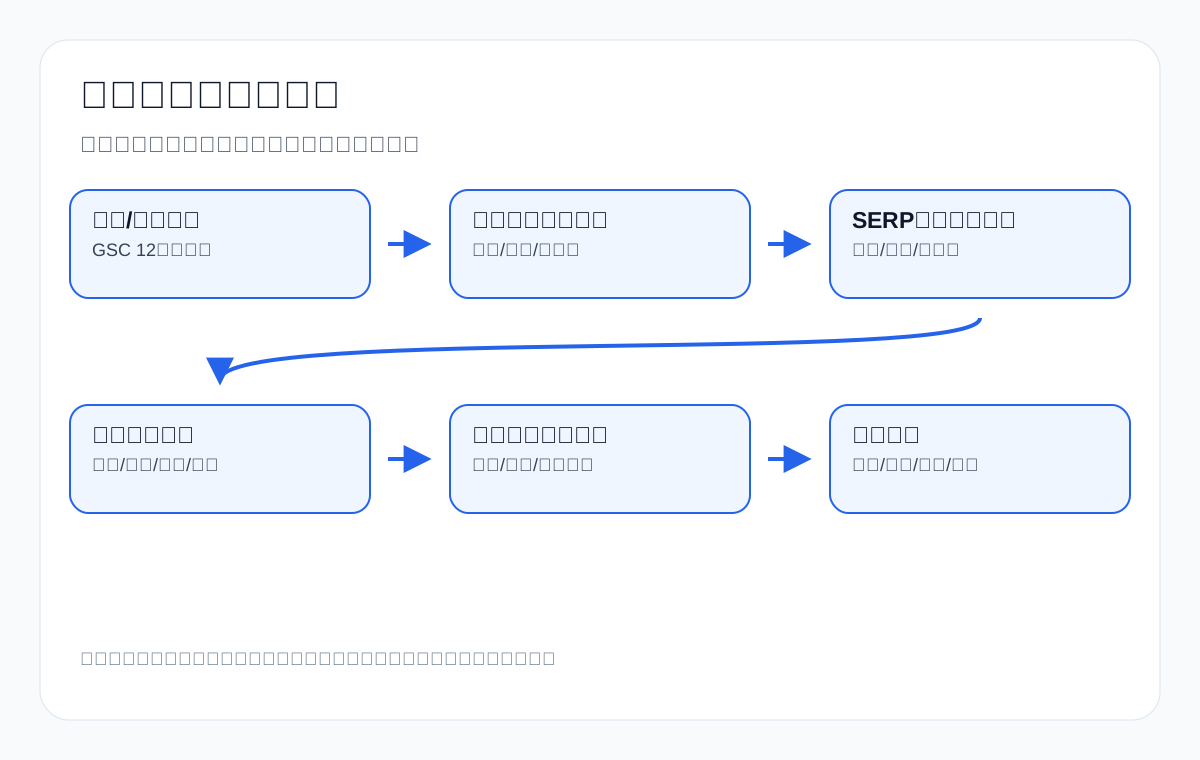
The 8 most common causes of content decay on foreign trade websites
Cause 1: Product information and purchasing standards become outdated
Many foreign trade product pages go unchanged for years, with materials, certifications, packaging, MOQ, lead times, and application descriptions stuck at old versions. In industries such as medical probe, electrical and electronic products, food-contact materials, and outdoor lighting, regulations, certifications, testing requirements, and purchasing documentation directly affect trust. If a page still uses outdated wording, both buyers and search systems will tend to favor more updated, clearer sources.
Cause 2: Competitor pages have added stronger decision modules
Your content has not gotten worse, but competitors have gotten stronger. A 2,500-word article that used to be enough to rank may now be up against Top pages with specification tables, application scenarios, FAQs, videos, downloadable materials, comparison matrices, and clearer inquiry entry points. Content refreshing is not about adding a few words but about adding the modules the current competitive environment demands.
Cause 3: Search intent shifts from definition to selection
For many English product terms, searchers initially only want to know what something is, but later they care more about how to choose, how to evaluate suppliers, what determines the price, and what certification risks exist. For example, if content related to industrial valve supplier only explains valve types without covering materials, pressure ratings, connection methods, industry applications, and documentation requirements, it will struggle to continue satisfying purchasing intent.
Cause 4: On-site cannibalization fragments topics
A single website may have multiple articles simultaneously competing for similar terms such as cnc machining parts, custom CNC parts, and CNC machining service. If each page writes a little similar content, none of them will be strong enough. When refreshing, first check the keyword mapping and consolidate or clarify boundaries when necessary.
Cause 5: Images, screenshots, and processes are outdated
Technical articles are especially prone to decay because screenshots, interface paths, tool menus, and data definitions become outdated. If screenshots of Google Trends, GSC, GA4, or product management interfaces on a foreign trade site have not been updated for years, readers will doubt whether the whole article still applies.
Cause 6: Lack of verifiable evidence and boundaries
Pages that only say “reliable quality, stable lead times, customization supported” without parameters, documents, processes, and boundaries are increasingly hard-pressed to compete with more specific pages. When refreshing content, replace adjectives with verifiable information.
Cause 7: Internal links have not kept up with changes in the content library
Old articles may not link to product pages, category pages, case descriptions, FAQs, or inquiry pages added later. Without internal links, both search systems and users have a harder time understanding the page’s role in the content library.
Cause 8: The AI answer environment makes old pages harder to paraphrase
AI answers favor content with clear structure, explicit definitions, complete tables, and verifiable evidence. Even if an old page still ranks, it may be absent from AI answers if it lacks quotable passages and decision tables. This is not about chasing fixed AI citations but a reminder that pages should be clearer.
Identifying content decay with GSC: you can do it without buying tools first
If you do not have paid tools such as Ahrefs or Semrush, Google Search Console can still accomplish basic diagnostics. The key is not just looking at traffic decline on one page but breaking it down by query, country, device, page, time, and click-through rate.
| GSC dimension | What to look at | What it may indicate | Next step |
|---|---|---|---|
| Page 16-month trend | Whether impressions, clicks, CTR, and average position keep declining | Possible decay or SERP changes | Continue examining queries and Top results |
| Query changes | Old queries fall, new queries appear | Demand is shifting | Decide whether to add FAQs, change the opening paragraph, or split the page |
| Country/region | Impressions decline in certain countries | Market demand, language, or competitor changes | Add country-specific application scenarios or local purchasing questions |
| CTR | Rankings change little but clicks decline | Title and description no longer match current intent | Rewrite title/meta and the above-the-fold summary |
| Rankings | Core terms drop from Top 5 to 8–15 | Competitor content has become stronger or the page gap is obvious | Benchmark against Top1 and reinforce content |
| New vs. old page comparison | Similar pages compete for the same terms | Possible keyword cannibalization | Consolidate, internal link, canonical, or rewrite boundaries |
Content refresh priorities: which pages to change first
Foreign trade companies cannot refresh an entire site at once. Priorities should consider commercial value, existing foundation, degree of decline, difficulty of repair, and inquiry contribution at the same time.
| Priority | Page characteristics | Why do it first | Example |
|---|---|---|---|
| P0 | Used to generate inquiries or impressions for high-value terms and is now clearly declining | High recovery potential and high commercial value | custom metal parts manufacturer can bring drawing-based inquiries |
| P1 | Ranked 4–15 with a chance to enter the top 3 | Reinforcement may bring significant click growth | LED flood light IP65 vs IP66 |
| P2 | The page has links or historical authority, but the content is outdated | Preserve URL value; refreshing is faster than building new | Old technical tutorials, old selection guides |
| P3 | Low traffic but strategically important topic | Used to support topic paths and internal links | medical probe sterilization packaging |
| P4 | No impressions, no links, no inquiries, no strategic significance | Not worth expanding | Duplicate news, expired event pages |
Refresh action matrix: update, rewrite, consolidate, retain, or decommission
Refreshing is not a single action. Different pages should be handled in different ways.
| Diagnosis result | Recommended action | Specific operation | Foreign trade example |
|---|---|---|---|
| Information outdated but intent unchanged | Light update | Update data, screenshots, FAQs, internal links, and evidence | Packaging and MOQ information for ceramic dinnerware is outdated |
| Intent still relevant but structure outdated | Structural rewrite | Rewrite the opening paragraph, H2s, tables, process, and FAQs | The packaging machine page lacks a selection process |
| Multiple pages duplicate and compete for the same term | Consolidate and integrate | Keep the strongest URL, merge content, set redirects or clear internal links | Multiple short CNC machining articles compete with each other |
| Page still performs stably | Retain and observe | Record the status, make no major changes for now, and fix only small errors | Inquiries on the core product page are stable |
| Page has no value and is expired | Decommission/redirect | Consolidate into a relevant page or 301 to a more suitable page | Expired trade show news has no search or inquiry value |
| Demand becomes a new topic | Create a new page | Keep the old page for the original intent and build a new page to capture the new demand | private label activewear manufacturer MOQ becomes its own guide |
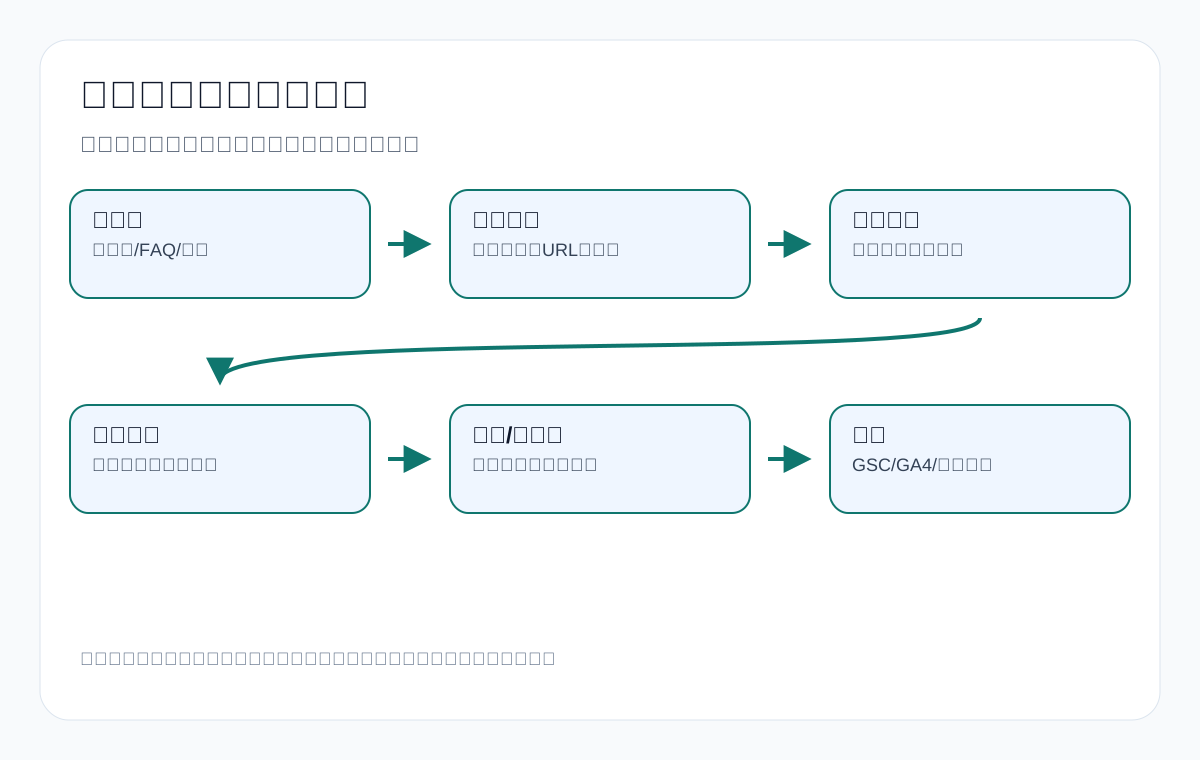
How to refresh foreign trade product pages
The key to refreshing a product page is not writing it into a long article but filling in the purchasing decision. A product page can be shorter than a technical article, but the information must be more accurate and more structured.
- Update product specifications: material, size, precision, power, certification, MOQ, packaging, and lead time.
- Add application scenarios: which industries, working conditions, and environments it suits, and which scenarios it does not.
- Add a purchasing documentation checklist: inquiries require drawings, quantity, material, target market, and certification requirements.
- Add FAQs: answer buyer concerns about selection, samples, quality inspection, packaging, and after-sales.
- Add internal links: link to category pages, industry pages, technical guides, and inquiry pages.
| Product page module | Common problems before refresh | State to achieve after refresh |
|---|---|---|
| Opening paragraph | Only company promotion | Explain the product, applicable scenarios, key specifications, and inquiry documentation |
| Specifications | Specifications scattered in images | HTML tables listing comparable information |
| Applications | Only list industry names | Explain by working conditions and purchasing role |
| FAQ | Only payment and lead time | Answer questions about materials, certification, samples, quotes, and risks |
| Conversion | Only a contact button | Tell users which documents to submit to get an accurate reply |
How to refresh foreign trade technical articles
Technical articles are suitable for in-depth content of 12,000 words or more, but you must not pad them with empty talk just for word count. When refreshing, benchmark against the current Top1 or authoritative baseline and fill in the foreign trade scenarios, decision tables, processes, FAQs, and review metrics it does not cover.
| Refresh module | Check question | Reinforcement method |
|---|---|---|
| Opening | Does it directly answer the main question? | State the conclusion, applicable audience, and boundaries within 150–220 words |
| Benchmarking | Do you know what Top1 got right? | Record Top1’s title, URL, structure, strengths, and gaps |
| Foreign trade examples | Does it use real product terms? | Add English product terms, purchasing questions, and page type examples |
| Steps | Can readers follow along? | Break down into data export, judgment, rewriting, publishing, and review |
| Charts | Do they aid understanding? | Flowcharts, matrices, GSC tables, decision trees |
| FAQ | Does it answer real misconceptions? | Distinguish decay, fluctuation, demand shifts, cannibalization, and decommissioning |
Content refresh execution process: from data to publishing
Step 1: Export candidate pages
Export pages from GSC, GA4, sitemaps, WordPress post lists, or crawler results. Prioritize pages that had impressions or inquiry value over the past 12–16 months but have recently declined in performance.
Step 2: Determine the original page role
Every page must have a role: product page, category page, industry page, technical article, FAQ, conversion page, or navigation page. Pages with unclear roles are the most likely to fail a refresh.
Step 3: Check the current SERP
Search the target query and record the title, page type, structure, modules, tables, FAQs, images, evidence, and update time of the current Top1 or authoritative baseline. Do not look only at word count on your own site.
Step 4: Determine whether it is content decay
If the main question is still the same and the page is merely outdated, lacking evidence, lagging in structure, or facing stronger competitors, it is content decay and is suitable for updating or rewriting.
Step 5: Determine whether it is a demand shift
If the SERP page type has changed, buyers’ questions have changed, or the original page already captures the wrong intent, do not simply add words. You need to change the page boundaries, split the page, or create a new page.
Step 6: Define the rewrite checklist
List the modules to add, delete, consolidate, and retain. Each item must correspond to a search intent, purchasing question, or review metric.
Step 7: Back up before publishing
Before updating WordPress, you must back up the original text, title, description, and important fields. This way, if the front end displays abnormally, content is accidentally deleted, or the direction is wrong, you can roll back quickly.
Step 8: Recheck after publishing
Check HTTP 200, title, meta, images, tables, internal links, word count, bad words, basic mobile layout, and page readability.
Step 9: Record the review dates
Set three observation points at 7–14 days, 30–60 days, and 90 days. Do not judge success or failure immediately after publishing based on a single day’s data.
Mistakes to avoid in foreign trade content refreshing
- Changing only the publication date without improving information quality.
- Adding only a paragraph or two of new content without checking whether search intent has changed.
- Expanding every old article into an ultra-long piece, even cramming content into contact pages and navigation pages.
- Using SEO service industry terms as examples instead of foreign trade product terms and purchasing questions.
- Ignoring product pages, category pages, and industry pages and refreshing only blog posts.
- No pre-publish backup or post-publish recheck.
- Writing uncontrollable rankings, inquiries, or AI citations as definite results.
- Presenting unauthorized data as customer case studies.
Foreign trade scenario 1: refreshing a custom metal parts article from encyclopedia-style to inquiry-driven
Many factories write a basic “what are custom metal parts” article early on, covering definitions, common materials, and machining methods. A few years later, such articles tend to decay because buyers no longer ask only for definitions but care about drawings, materials, tolerances, surface finishes, quantities, quote turnaround, and quality inspection documents. When refreshing, do not just add a paragraph saying “we support customization”; upgrade the article from an encyclopedia-style page to a purchasing-decision page.
| Old page module | Cause of decay | Refresh module | Corresponding purchasing question |
|---|---|---|---|
| Definition of custom metal parts | Only answers what it is, lacking selection judgment | Materials, processes, tolerances, and applicable quantity ranges | Should this part be CNC machined, stamped, or die-cast? |
| Common materials list | Only lists aluminum, steel, brass | Material selection table: strength, corrosion resistance, weight, cost, surface finish | Should my application use 6061 or 7075? |
| Machining capability introduction | Reads like company promotion, not a purchasing guide | Drawing documentation checklist, quote documentation checklist, sample confirmation process | Can you give an estimate without a complete drawing? |
| Quality description | Only says “high quality” | Inspection methods, dimensional reports, material certificates, packaging traceability | How are tolerances controlled in mass production? |
After this refresh is complete, GSC should not be examined only for the single term “custom metal parts” but for whether more specific queries such as aluminum custom parts, cnc machining tolerance, surface finish for metal parts, and custom metal parts drawing requirements are growing. On the inquiry side, also check whether buyers provide more complete drawings, materials, quantities, and surface finish requirements.
Foreign trade scenario 2: refreshing an LED flood light page from product showcase to selection guide
A common cause of decay for LED flood light pages is stacked specifications without selection logic. In the past, a page listing wattage, brightness, color temperature, and IP rating might have been enough, but today buyers compare the different requirements of warehouses, ports, parking lots, stadiums, construction sites, and coastal environments, and they also ask about IP65 versus IP66, IK ratings, luminous efficacy, certifications, installation height, heat dissipation, and maintenance costs.
| Purchasing question | Common gap in historical content | Content to add after refresh | Suitable page type |
|---|---|---|---|
| How to choose between IP65 and IP66 | Only states the waterproof rating | Break down judgment by rain, strong water jets, coastal, and washdown environments | FAQ/selection section |
| How many watts for different scenarios | Only lists product wattage | Make a reference table by installation height, area, and illuminance requirements | Category page/technical article |
| How to judge certification documents | Only displays certification logos | Explain whether CE, RoHS, DLC, UL, etc. apply to the target market | Product page/download page |
| How to assess heat dissipation and lifespan | Only says “long lifespan” | Explain the lamp body material, heat dissipation structure, ambient temperature, and warranty boundaries | Technical FAQ |
After this type of page is refreshed, the title and opening paragraph should also be upgraded from “LED Flood Light Manufacturer” to wording that better captures purchasing questions, such as “LED Flood Light for Outdoor Warehouse: IP Rating, Wattage and Certification Guide.” If the original URL already has authority, you can keep the URL and rewrite the structure; if the new demand is very independent, such as stadium lighting or solar flood light, you should create a new page and link to it from the original category page.
Foreign trade scenario 3: refreshing packaging machine content from a broad term to material scenarios
packaging machine is a typical broad term. If an old page only covers packaging machine types, automation advantages, and company capabilities, it is easily surpassed by more specific pages. What buyers really care about is material form, bag type, single-package weight, speed, metering accuracy, cleaning requirements, whether it is prone to clogging, whether nitrogen is needed, and whether it suits small-batch or continuous production.
| Material/scenario | Buyer question | Judgment the page should add | Review term |
|---|---|---|---|
| powder | What to do if powder flowability is poor | Screw metering, dust removal, cleaning, clogging risk | powder packaging machine |
| granule | Are granules easily broken? | Weighing method, drop height, speed, and packaging material | granule packing machine |
| liquid | Does viscosity affect filling? | Pump type, temperature, cleaning, sealing, and drip prevention | liquid packaging machine |
| small batch | Is small-batch production suitable for full automation? | Semi-automatic and fully automatic costs, changeover time, labor requirements | small business packaging machine |
This type of refresh usually creates a need to split pages: the broad term page is responsible for explaining the overall selection framework, while scenarios such as powder, granule, liquid, small batch, food, and pharmaceutical are captured by subpages. Do not let one page compete for all material terms at once, or the page will become too broad for AI and search systems to determine what it should best answer.
Content refresh and keyword cannibalization: consolidate before expanding
If a foreign trade site has multiple old articles all discussing the same product term, expanding each one separately may worsen cannibalization. Before refreshing, do a keyword mapping and clearly write down each URL’s primary intent, secondary intent, and target page type.
| Cannibalization symptom | Judgment method | Handling method | Cautions |
|---|---|---|---|
| Queries for multiple pages overlap heavily in GSC | Export a cross-tab of page dimension and query dimension | Keep the strongest page, consolidate weak pages or change their boundaries | Do not expand duplicate pages at the same time |
| Two pages alternate in rankings | The same term appears back and forth for different URLs | Clarify canonical, internal links, and title differences | Keep the URL that better matches search intent |
| A category page and an article page compete for the same commercial term | The SERP shows commercial pages dominating | Let the category page capture commercial terms and the article page capture tutorial terms | The article page links to the category page |
| Product page and industry page boundaries are unclear | Both write about product advantages and applications | Product pages cover specifications, industry pages cover scenarios | Link to each other but do not copy each other |
For example, a waterproof connector site may simultaneously have pages for waterproof connector, IP67 connector, outdoor cable connector, and connector for solar panel. When refreshing, first decide: the category page captures waterproof connector supplier, specific product pages capture model numbers and specifications, industry pages capture solar/outdoor/marine scenarios, and technical articles capture IP67 vs IP68 decisions. This way each page has a clear role.
Content refresh and AI citations: what to add and what not to promise
AI answer systems are more likely to use content with clear structure, explicit definitions, and verifiable information. When refreshing content, you can make old articles more suitable for being understood and cited, but you cannot write this as a definite result. The right approach is to add quotable passages, decision tables, FAQs, entity consistency, and evidence boundaries.
| Module to add | Writing focus | Foreign trade example |
|---|---|---|
| Definition sentence | Complete object, applicable conditions, and boundaries | cnc machining parts suit parts machined to drawings with clear precision requirements |
| Comparison table | Compare using factual dimensions without absolutizing | IP65 vs IP66 LED flood light |
| FAQ | Answer purchasing decisions rather than customer service scripts | What documentation is needed before requesting a quote for custom metal parts |
| Evidence statement | State available documents and verification methods; do not fabricate case studies | Material reports, inspection records, packaging traceability |
| Review item | Observe whether the brand, URL, and definition sentences appear in AI answers | A fixed monthly question list |
Pre-publish recheck checklist: avoid making things worse after refreshing
- Whether the new title still matches the original URL’s core intent.
- Whether the opening paragraph clearly explains what problem the page solves.
- Whether historically effective ranking passages are retained or upgraded.
- Whether new content includes foreign trade product terms, purchasing questions, and page type examples.
- Whether images, tables, and FAQs genuinely help decision-making.
- Whether internal links point to relevant product pages, category pages, industry pages, and inquiry pages.
- Whether valuable existing external links and anchors are retained and not deleted arbitrarily.
- Whether uncontrollable promises and unauthorized cases are avoided.
- Whether the original text and meta are backed up.
- Whether HTTP 200, title, images, tables, bad words, and mobile readability are checked after publishing.
Post-refresh review metrics: do not look only at rankings
| Metric | Observation period | What to look at | How to judge |
|---|---|---|---|
| GSC indexation and impressions | 7–14 days | Whether the page is indexed normally and impressions have recovered | If not indexed, check technical issues first |
| Query quality | 30–60 days | Whether more specific product terms, application terms, and question terms appear | More important than the ranking of the primary term alone |
| CTR | 30–60 days | Whether the title and description attract the target buyers | If rankings are stable but CTR is low, change the search result presentation |
| GA4 engagement | 30–60 days | Dwell time, scrolling, clicks, paths | Judge whether the content is actually being read |
| Inquiry quality | 30–90 days | Whether drawings, specifications, quantities, and application scenarios are provided | More precise questions indicate that content education is effective |
| AI answer observation | 30–90 days | Whether the brand, URL, and definition sentences appear | Use it only for trend observation, not as the sole goal |
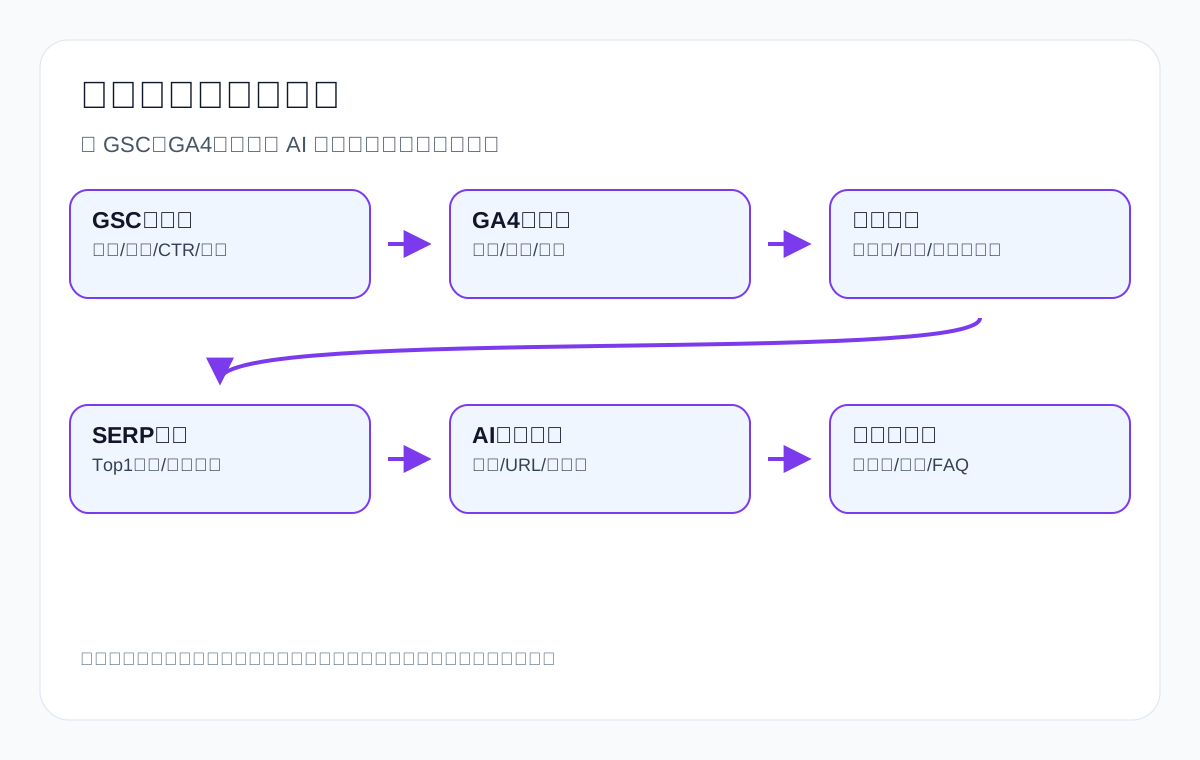
Hands-on GSC: how to determine whether a foreign trade page is truly decaying
Below is a hands-on method that does not depend on paid tools. It is suitable for foreign trade companies to first screen candidate pages using existing GSC data before deciding whether to invest in deep rewriting.
Step 1: Choose a 16-month time range
Content decay is usually not a 7-day fluctuation but a 3–12 month trend. In GSC, first select the most recent 16 months, then filter the target URL by page. For industries with obvious seasonality, such as LED flood light, outdoor products, holiday gifts, and packaging equipment, compare year-over-year periods rather than only month-over-month.
Step 2: Break it into four lines: impressions, clicks, CTR, and rankings
If impressions decline, it may be shrinking demand, the page no longer covering the topic, or an indexing problem; if impressions are stable but clicks decline, the title and description may no longer attract buyers; if rankings decline but impressions remain, the page is still in the topic pool and has a refresh opportunity; if all metrics decline together, further examine whether the SERP intent has changed.
| Data pattern | Possible cause | Check first | Recommended action |
|---|---|---|---|
| Impressions decline and rankings also decline | Content competitiveness has declined or topic coverage has weakened | Top1 structure, page gaps, internal links | Structural rewrite or reinforcement |
| Impressions stable, CTR declines | Title and description do not match current demand | SERP title patterns, buyer concerns | Change title/meta/opening paragraph |
| Rankings stable, clicks decline | More ads, AI overviews, or competitors in the SERP are attracting clicks | Changes in the search results page | Strengthen the title, FAQ, and structured summary |
| Long-tail terms increase, primary term declines | Page demand is segmenting | Which long-tail terms have more inquiry value | Add FAQs or create subpages |
| Different URLs compete for the same query | Keyword cannibalization | Page roles and internal links | Consolidate or remap |
Step 3: Export queries and classify them
Classify queries into product terms, material terms, application terms, country terms, model terms, question terms, supplier terms, and price terms. The biggest risk in foreign trade content refreshing is focusing on only one primary term, because the terms that actually bring inquiries are often more specific combinations.
| Query type | Example | Description | Refresh action |
|---|---|---|---|
| Product term | waterproof connector | Basic page positioning | Keep the title and opening paragraph consistent |
| Material term | aluminum custom metal parts | Buyers have specific material needs | Add a material selection table |
| Application term | LED flood light for warehouse | Demand is closer to a scenario | Add industry application sections |
| Question term | IP65 vs IP66 flood light | Suitable for FAQs and comparison tables | Add Q&A and decision matrices |
| Supplier term | industrial valve supplier China | Strong commercial intent | Strengthen the category page and inquiry entry points |
| Price/documentation term | custom metal parts quote drawing | Close to inquiry | Add a quote documentation checklist |
Step 4: Judge commercial value together with inquiry records
Some pages have high traffic but few inquiries, while others have modest traffic but bring high-quality drawings and clear purchasing plans. Refresh priority must combine inquiry sources, inquiry content, and sales feedback. You cannot prioritize an article just because it has high traffic, nor abandon a product page just because it has low traffic.
SERP benchmarking: before refreshing, you must see what the current number one answers
The user has made it clear: do not judge based only on word count on your own site. Before formally refreshing any article, you must look at the current Google Top1 or a comparable authoritative baseline. For content refresh topics, Top1 may be Ahrefs, Search Engine Journal, Backlinko, or official Google documentation; for foreign trade product terms, Top1 may be a competitor factory, a B2B platform, an industry media outlet, or a large brand page. Record what they got right and identify the foreign trade landing gaps they do not cover.
| Benchmark item | What to record | How a foreign trade site can go beyond |
|---|---|---|
| Title and opening paragraph | How Top1 defines the problem and whether it answers directly | State the purchasing scenario and decision boundaries faster |
| Page structure | H2/H3, tables, FAQs, images, videos | Add flowcharts, decision tables, product scenario matrices |
| Content coverage | Whether it covers definitions, causes, steps, misconceptions, and tools | Add foreign trade product pages, category pages, industry pages, and inquiry paths |
| Evidence sources | Whether it cites official documentation, research, data, or cases | Use verifiable materials and public scenarios; do not fabricate customer results |
| Gaps | Which real questions are not answered | Add buyer questions, quote documentation, certification, and review metrics |
| Actionability | Whether readers can follow along | Provide steps for exporting data, judging, publishing, and reviewing |
For example, Ahrefs’ content decay guide is strong on concepts, tools, and processes, but it will not tell a factory making ceramic dinnerware how to judge whether an old category page should add microwave safety, glaze, packaging, and MOQ, nor will it tell a private label activewear manufacturer page how to upgrade from a general customization introduction to judgments on fabric, sizing, sample garments, logos, packaging, and small batches. This is exactly the foreign trade landing layer that tianwenseo content needs to add.
Page type governance: which pages should not be forced into long articles
When refreshing content, distinguish page roles. Pages not suited to long articles should be optimized to conversion page or navigation page standards rather than crammed with 12,000 words. This is especially true for foreign trade sites: the job of contact pages, quote entry pages, download pages, archive pages, and simple navigation pages is to lower the cost of action, not to capture complex tutorial intent.
| Page type | Suitable for long articles | Refresh focus | Not recommended |
|---|---|---|---|
| Core technical tutorial | Suitable for 12,000+ words | Benchmark Top1, process, tables, FAQ, visuals, review | Vaguely explaining concepts |
| Core product category page | Suitable for depth but not necessarily ultra-long | Selection logic, comparison tables, application scenarios, internal links | Only stacking product cards |
| Product detail page | Handle according to purchasing completeness | Specifications, applications, FAQ, documents, inquiry materials | Writing it as a long blog article hurts conversion |
| Industry application page | Suitable for medium-length content | Scenarios, pain points, applicable products, purchasing risks | Writing it as a company introduction |
| Contact page | Not suitable for long articles | Contact information, forms, response time, document guidance | Cramming in SEO tutorials |
| Archive page | Not suitable for cramming long articles | Category descriptions, filters, recommended reading | Duplicating article body text |
How to control the scale of updates: the boundaries between minor fixes, major changes, and rebuilding
Content refreshing is not about changing as much as possible. Pages with existing rankings and inquiries should be handled more cautiously, retaining effective parts first and then filling gaps. Pages with no performance but important topics can undergo a structural rewrite. Completely worthless pages should be considered for consolidation or decommissioning.
| Update scale | Applicable situation | Scope of operation | Risk |
|---|---|---|---|
| Minor fix | The page performs stably with only localized outdated parts | Update screenshots, add FAQs, fix internal links, change meta | Small impact, but limited improvement |
| Moderate reinforcement | Ranked 4–15 with obvious content gaps | Add tables, case scenarios, steps, FAQs, visuals | Must retain existing effective passages |
| Structural rewrite | Page intent is still right, but the structure is outdated | Rewrite the opening paragraph, H2s, process, charts, and conclusion | Greater short-term fluctuation |
| Consolidation | Multiple weak pages compete for the same need | Integrate content, keep the strong URL, set redirects | Need to handle internal links and historical links |
| Rebuilding | The old page does not suit current intent | Create a more focused page; retain or redirect the old page | Need to accumulate signals again |
How to handle internal links after refreshing
After a content refresh is complete, the page may remain isolated without internal link support. Internal links on a foreign trade site should reflect the purchasing path: technical articles explain the problem, category pages capture selection, product pages capture specifications, industry pages capture applications, and inquiry pages capture action.
- Link from old high-traffic articles to relevant product category pages.
- Link from product category pages to selection guides and FAQs.
- Link from industry application pages to applicable products and technical articles.
- Link from product detail pages to material, certification, installation, and quote documentation descriptions.
- Link from refreshed articles to higher-level pillar pages to avoid becoming isolated content.
| Source page | Target page | Anchor text approach | Purpose |
|---|---|---|---|
| Content decay tutorial | Keyword research process | Confirm queries and page mapping first | Help users continue diagnostics |
| LED flood light selection article | LED flood light category page | View outdoor LED flood light specifications | Capture commercial intent |
| CNC tolerance article | custom metal parts product page | Submit drawings to get machining advice | Capture inquiries |
| packaging machine FAQ | Powder packaging machine page | Powder material packaging solutions | Capture segmented applications |
Team review table: turning content refresh into a manageable asset
Even if one person maintains the site, it is advisable to keep a content refresh review table. It is not for showing an internal process but for giving the next decision a basis.
| Field | Filling instructions | Example |
|---|---|---|
| URL | The page being refreshed | /content-refresh-seo-guide/ |
| Primary query | The main need this page captures | content refresh strategy |
| Reason for refresh | Decay, demand shift, cannibalization, outdated, reinforcement | Competitors added process and FAQ |
| Benchmark baseline | Top1 or authoritative source | Ahrefs Content Decay |
| Main changes | Modules added and removed | Added GSC diagnostics, foreign trade cases, review metrics |
| Pre-publish data | Impressions, clicks, CTR, rankings, inquiries | Record the baseline |
| Review date | 7/30/60/90 days | 2026-06-25 |
| Next step | Add internal links, create new pages, continue observing | Add a packaging machine subpage |
How to establish a quarterly content refresh mechanism
Foreign trade companies can make content refreshing a quarterly mechanism rather than changing things only when they suddenly remember to. A quarterly mechanism does not need to be complex, but it must have fixed inputs, judgment rules, an owner, and a review table.
| Cycle | What to do | Output |
|---|---|---|
| Monthly | Check GSC/GA4 anomalies on core product pages and inquiry pages | List of anomalous pages |
| Quarterly | Conduct content decay audits on high-value pages | Update/rewrite/consolidate/retain queue |
| Every six months | Recheck core category and industry pages | Adjust product term and page mapping |
| Annually | Review expired news, low-value articles, and duplicate content | Consolidation, redirect, retention, or deletion recommendations |
FAQ: common questions about content refresh and content decay
Is content decay judged only by traffic decline?
No. Traffic decline is only a signal; what really needs to be judged is the primary query, search intent, competitor pages, content accuracy, page role, and commercial value. Some pages have low traffic but high inquiry quality and cannot simply be judged as low-value.
How often should old articles be refreshed?
There is no fixed cycle. Core product pages and high-value tutorial pages are recommended to be checked at least quarterly; stable pages can be rechecked every six months or annually; news, notices, and contact pages do not need frequent changes just for the sake of refreshing.
Does changing only the publication date help?
Usually it has no substantive value. Refreshing should bring real information updates, such as new screenshots, new specifications, new FAQs, new tables, new internal links, new evidence, or a clearer page structure. Changing only the date easily damages trust.
Does content decay always require rewriting the whole article?
Not necessarily. Slight outdatedness can be lightly updated; only a lagging structure requires a rewrite; multiple duplicate pages may need to be consolidated; worthless pages can be decommissioned or redirected. The action depends on the diagnosis result.
Do product pages also need content refreshing?
Yes. A product page’s specifications, certifications, applications, FAQs, packaging, MOQ, lead time, and inquiry materials all affect purchasing decisions. Product pages do not necessarily need to be long, but they must be accurate, clear, and verifiable.
Will content refreshing affect existing rankings?
Any modification may bring fluctuation, so you should back up first, define goals clearly, and avoid aimless major changes. For pages with existing rankings, retaining effective parts and reinforcing gaps is more stable than overturning and rewriting.
How do you decide whether to create a new page or refresh an old one?
If the new demand is consistent with the old page’s primary intent, prioritize refreshing the old page; if the new demand has become an independent purchasing question, for example expanding from packaging machine to powder packaging machine for small business, you can create a more focused page and link to it from the old page.
Conclusion: content refreshing is content asset maintenance, not superficial updating
The content assets of a foreign trade website age as markets, products, purchasing questions, competitor pages, and the search environment change. Truly effective content refreshing is not rewriting old articles to be longer but realigning pages with today’s purchasing needs and search intent. You must first determine whether it is content decay, a demand shift, page cannibalization, or a wrong page role, and then choose to update, rewrite, consolidate, retain, or decommission.
If every refresh adds clearer definitions, more specific foreign trade product terms, more actionable decision tables, more authentic FAQs, better visuals, and clearer review metrics, the page is not merely “updated” but becomes a stronger content asset. Such pages cannot promise stable rankings or inquiry results, but they have a better chance of serving buyers, search engines, and AI answer systems over the long term.
Official references and content refresh acceptance boundaries
Content refreshing must distinguish content decay, search intent changes, outdated page facts, and technical discovery issues. What can be accepted is the page version, official references, GSC/GA4 recheck fields, and next actions; refreshing cannot be written as having already produced results.
| Official source | Used to verify what | Boundaries not to cross |
|---|---|---|
| Google: Helpful content | Check whether old content is still helpful, reliable, and people-first | Refreshing is not padding word count or changing the date |
| Search Console Performance report | Compare real data before and after the refresh by page/query | Without data, you cannot write it as a trend recovery |
| Google: Ranking systems guide | Understand that content performance is judged by multiple systems together | You cannot treat one update as a results switch |
| Google: Canonical consolidation | Troubleshoot old article consolidation, duplicate pages, and canonical selection | canonical is a hint, not a manually specified result |
| GA4 events | Observe whether users take key actions after the refresh | Event changes alone cannot prove SEO effectiveness |
Low-data period recheck table
| Recheck item | Record fields | How to write during a low-data period |
|---|---|---|
| Search Console baseline | query, page, country, device, click, impression, date range | If GSC has zero rows, write zero rows and do not extrapolate rankings, clicks, or impressions |
| GA4 events | Landing page, form, download, email click, WhatsApp, or other configured events | If an event is not configured, write “to be configured” and do not infer inquiry results |
| Page eligibility | HTTP status, index/follow, canonical, sitemap, body text, internal links | Record only the current state; do not write a technical pass as a search result |
| Business boundaries | Actionable items, metrics to observe, next recheck date | Separate what has been observed, what is pending observation, and what cannot be promised |
The focus of acceptance here is to record official references, Search Console, GA4, page status, and business actions separately. What can be promised is checking, correcting, adding evidence, and building a review table; what cannot be promised is specifying search positions, specifying AI citations, specifying inquiry numbers, or specifying platform presentation.
Continue reading this SEO series
If you are systematically organizing foreign trade website SEO, it is recommended to continue with the following articles. First clarify the relationships among crawling, indexing, content, links, and review, then decide which page to change next.
- How to diagnose keyword cannibalization: a guide to handling pages competing for rankings and intent conflicts
- Soft 404 and Thin Content: why Google is reluctant to keep such pages
- How to do content SEO: a guide to search intent, information gain, and indexable content
- How to do keyword research: foreign trade product terms, search intent, and page mapping process
- How to mine competitor keywords: from competitor pages and English product terms to inquiry opportunities
- How to choose keyword tools: choose by diagnostic scenario, not by following a tool list
{
“@context”: “https://schema.org”,
“@type”: “FAQPage”,
“mainEntity”: [
{
“@type”: “Question”,
“name”: “Is content decay judged only by traffic decline?”,
“acceptedAnswer”: {
“@type”: “Answer”,
“text”: “No. Traffic decline is only a signal; what really needs to be judged is the primary query, search intent, competitor pages, content accuracy, page role, and commercial value. Some pages have low traffic but high inquiry quality and cannot simply be judged as low-value.”
}
},
{
“@type”: “Question”,
“name”: “How often should old articles be refreshed?”,
“acceptedAnswer”: {
“@type”: “Answer”,
“text”: “There is no fixed cycle. Core product pages and high-value tutorial pages are recommended to be checked at least quarterly; stable pages can be rechecked every six months or annually; news, notices, and contact pages do not need frequent changes just for the sake of refreshing.”
}
},
{
“@type”: “Question”,
“name”: “Does changing only the publication date help?”,
“acceptedAnswer”: {
“@type”: “Answer”,
“text”: “Usually it has no substantive value. Refreshing should bring real information updates, such as new screenshots, new specifications, new FAQs, new tables, new internal links, new evidence, or a clearer page structure. Changing only the date easily damages trust.”
}
},
{
“@type”: “Question”,
“name”: “Does content decay always require rewriting the whole article?”,
“acceptedAnswer”: {
“@type”: “Answer”,
“text”: “Not necessarily. Slight outdatedness can be lightly updated; only a lagging structure requires a rewrite; multiple duplicate pages may need to be consolidated; worthless pages can be decommissioned or redirected. The action depends on the diagnosis result.”
}
},
{
“@type”: “Question”,
“name”: “Do product pages also need content refreshing?”,
“acceptedAnswer”: {
“@type”: “Answer”,
“text”: “Yes. A product page’s specifications, certifications, applications, FAQs, packaging, MOQ, lead time, and inquiry materials all affect purchasing decisions. Product pages do not necessarily need to be long, but they must be accurate, clear, and verifiable.”
}
}
]
}
This page is machine-translated from the Simplified Chinese version and awaiting human review. It has not yet been proofread.